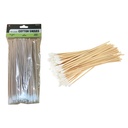
Armorer’s Bench Precision Cleaning Swabs - Wood Handle
13 sold in last 24 hours
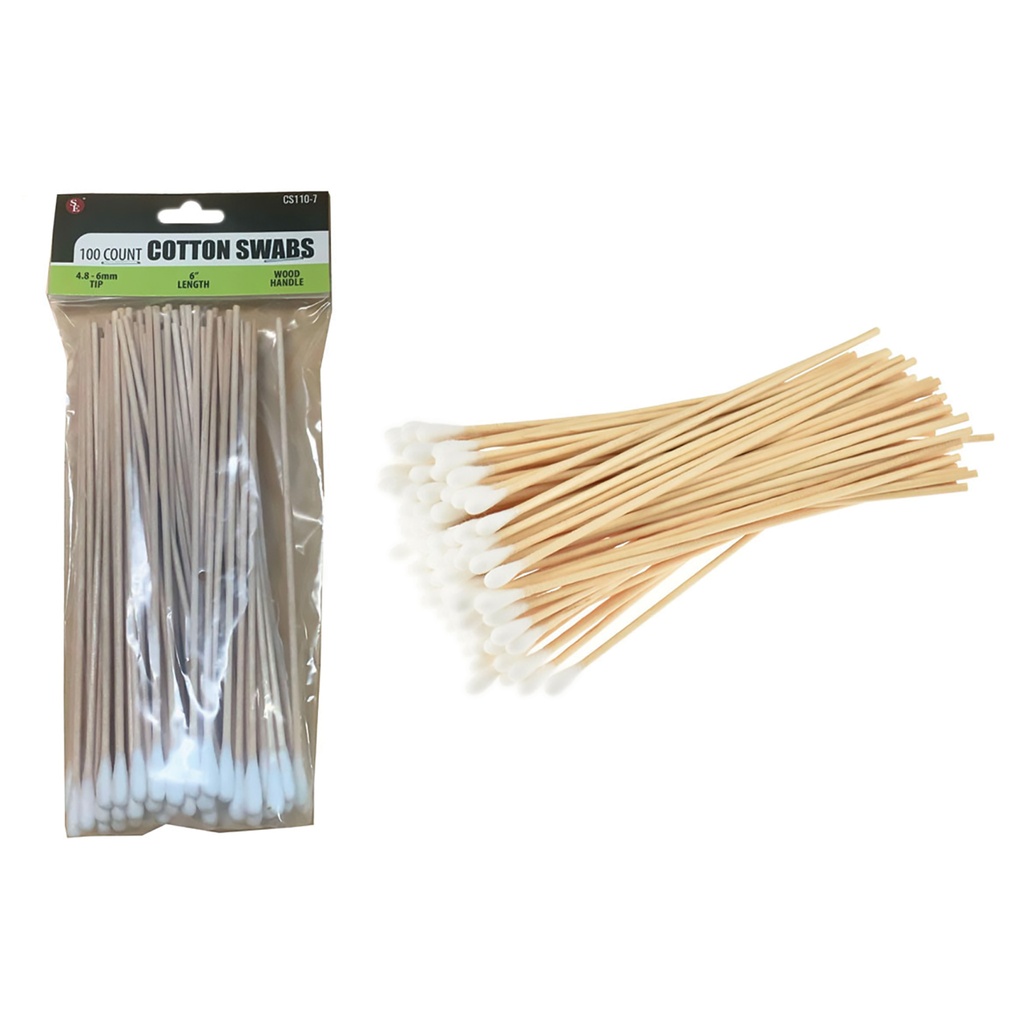
These extra-long gun cleaning swabs are built for the spots patches miss. A 6" wood handle gives you armorer-level reach into slide rails, chambers, extractor channels, and tight corners, while dense cotton tips lift carbon instead of just pushing it around. The solvent-ready shafts stay rigid under pressure, so you can scrub precisely without flex or fray. Keep a 100-count bag in your range bag or on the bench and turn “good enough” gun cleaning into true detail work.
What These Gun Cleaning Swabs Actually Do for Your Firearms
These extra-long gun cleaning swabs are simple tools that quietly solve one of the most annoying realities of firearm maintenance: there are places your patches and brushes just don’t reach well. Slide rails, extractor channels, tight corners in the frame—those are the spots where carbon packs in, solvent pools, and small malfunctions eventually show up.
The Armorer’s Bench Precision Cleaning Swabs are built specifically for that detail work. A 6-inch wood handle lets you reach deep into the action with control, and the tightly wound cotton tip is sized to fit narrow channels without shredding or leaving lint. They don’t replace your rods or bore brushes—they finish the job those tools start, so you’re not guessing if it’s really clean.
How These Gun Cleaning Swabs Work in Real Bench Use
Think of each gun cleaning swab as a tiny, controlled applicator and scrubber. The 6" wood shaft gives you leverage to push, twist, and pull in confined spaces, and the cotton tip serves three main jobs:
- Solvent delivery: Load the tip with solvent and run it into slide rails, chamber edges, and lug recesses where a patch folds and bunches.
- Carbon lifting: The dense cotton fibers grab onto fouling rather than just smearing it, especially in extractor channels and corners.
- Drying and inspection: After brushing, use a fresh swab to wick out excess solvent and check what’s still coming out dirty.
The wooden shaft matters here. Unlike flimsy plastic, it stays rigid when you push into tight spots, and it won’t flex and fling solvent where you don’t want it. That control is what lets an armorer or careful owner clean precisely instead of poking around blindly.
Build Quality: Why These Swabs Belong in Every Gun Cleaning Kit
Not all gun cleaning swabs are equal. For firearm work, three details matter: length, shaft material, and tip density. These are dialed for actual gun maintenance, not generic craft use.
Extra-Long 6-Inch Wood Handles
The 6" length gives you reach into full-length slide rails, revolver frames, shotguns and pistol-caliber carbines without losing fine control. Short cotton buds force you to work at awkward angles; a longer handle lets your hand stay clear of the gun while the tip does the work inside it.
The natural wood shaft is stiff and solvent-ready. That stiffness lets you scrub buildup in tight corners without the shaft bending or springing, and it tolerates common gun solvents without getting gummy like some plastics.
Dense, Tightly Wound Cotton Tips
Each tip uses a tightly wound cotton head in the 4.8–6 mm range—small enough for channels, large enough to actually carry solvent and lift fouling. Loose cotton just shreds and leaves fibers where you least want them; a firm head keeps its shape as you twist and push.
The white cotton also gives you a clear visual read: you can see carbon, brass residue, or rust as it comes out. That quick feedback tells you whether to stop, reapply solvent, or bring in a brush for heavier deposits.
Where These Gun Cleaning Swabs Make the Biggest Difference
These swabs earn their keep anywhere you need precision and reach more than brute force. A few common uses:
- Slide rails: Run a solvent-wet swab down each rail, then follow with a dry one before oiling. You’ll see exactly what’s still coming out dirty.
- Extractor channels: Ideal for clearing compacted crud that causes intermittent extraction issues.
- Chambers and feed ramps: Target carbon rings and stubborn residue at the transition points.
- Frame and receiver corners: Clean the places brushes skip—behind locking blocks, around pins, and in tight recesses.
In a range bag, they’re perfect for quick, targeted cleanup after a long session. On a workbench, they become part of your standard gun cleaning kit—especially if you’re the person friends ask to look over their guns when something feels “off.”
Why Detail Cleaning Matters for Reliability
Most malfunctions don’t come from a dirty bore; they come from fouling and grit in the small, high-friction areas that control cycling: rails, extractors, ejectors, trigger channels. Those spots need attention from more than a general wipe-down.
Using purpose-built gun cleaning swabs means you’re able to apply solvent and remove residue exactly where it affects function. Instead of flooding the whole action and hoping, you can smartly target the parts that actually keep the gun running. That’s a practical reliability upgrade you can do with simple tools and a few extra minutes.
What People Ask Before Buying Gun Cleaning Swabs
Are these swabs safe to use with common gun solvents?
Yes. The wood handles and cotton tips are compatible with typical gun cleaning solvents and oils. As with any cleaning tool, avoid open flame and dispose of used, solvent-wet swabs responsibly. If you’re using highly aggressive specialty chemicals, test on one swab first, but for standard firearm cleaners these are a good match.
Will the cotton tips leave lint inside my firearm?
The tips are tightly wound to minimize lint and shedding during normal use. If you’re aggressively prying at sharp edges, any cotton product can catch slightly, but under typical twisting and swiping they hold together well. Use a fresh, dry swab at the end of cleaning if you want to confirm everything comes out clean and clear.
How do these compare to generic cotton swabs?
Generic cotton swabs are built for light, short-reach tasks on skin, not for mechanical channels. These gun cleaning swabs are longer, stiffer, and use denser tips specifically so you can reach deeper and scrub a bit harder without the shaft bending or the head collapsing. For firearms, that extra reach and rigidity is what turns them from a convenience into a proper bench tool.
Can I use these in both pistols and long guns?
Yes. The 6" length works well in pistols, revolvers, shotguns, and rifles—for actions, chambers, locking lugs, and any small recess. They’re not a bore replacement tool for long barrels, but they are excellent for the high-friction parts that sit around the bore and inside the receiver.
Setting Up Your Gun Cleaning Kit with These Swabs
For a practical gun cleaning setup, think in layers: brushes for heavy deposits, patches for broad surfaces, and these gun cleaning swabs for the small, high-value areas. Keeping a 100-count bag in your range bag and on your bench means you’re never rationing or reusing dirty tips.
Over time, you’ll start to recognize where a single swab pass tells you the story of how a gun has been shot and stored. Dark, greasy buildup in rails, powdery residue in extractor pockets, faint rust tint from storage—those are easy to spot on bright white cotton. That feedback loop helps you clean smarter, not just more often.
Practical Confidence Every Time You Reassemble
Finishing a cleaning session with a few targeted passes from these gun cleaning swabs gives you real confidence when you reassemble and load. You’re not just hoping the tight spots are clean; you’ve seen the fouling come out on the cotton, and you’ve wicked away the extra solvent before it migrates where it shouldn’t.
That’s the difference between basic cleaning and true armorer-level detail work: the right small tools, used in the right places, every time you maintain your firearm.