
Calm Barrier PM2.5 Mask Filter Insert - Light Gray
10 sold in last 24 hours
This PM2.5 mask filter insert adds calm, layered protection to your everyday mask. A five-layer design combines spunbond cloth and activated carbon to help screen out fine dust, smoke, and common airborne pollutants. Sized to slip into most reusable cloth masks, it’s a simple way to step up your respiratory preparedness without drama or gimmicks. Keep a 20 pack on hand so you can rotate fresh filters, stay ready for poor air days, and maintain a practical level of everyday protection.
What This PM2.5 Mask Filter Insert Actually Does
This is a five-layer PM2.5 mask filter insert designed to quietly improve your everyday respiratory protection. It doesn’t claim to turn a cloth mask into medical-grade gear, and it shouldn’t be treated that way. Instead, it adds a practical extra barrier against fine dust, smoke, and common airborne pollutants when paired with a properly fitted reusable mask.
For emergency preparedness, commuting on poor air days, or living in areas prone to smoke or pollution events, having a 20 pack of these inserts on hand is a calm, low-drama way to upgrade your basic mask setup.
How This Multi-Layer Mask Filter Insert Works
Instead of relying on one thick layer that’s hard to breathe through, this PM2.5 insert uses multiple thin layers that each handle a different part of the job. The result is practical filtration with manageable breathing resistance when used in a well-designed mask.
- First layer – spunbond cloth: Acts as the initial catch for larger micron-level dust and debris.
- Second layer – particulate screen: Targets industrial pollutants, automobile exhaust particles, second-hand smoke, and pollen allergens.
- Third layer – activated carbon cloth: Adds adsorption capacity for certain gases and finer particulates, supporting PM2.5 performance.
- Fourth layer – higher-density filter: Increases overall filter density to help intercept smaller airborne material.
- Fifth layer – spunbond cloth: Provides a final barrier and keeps the internal layers contained and comfortable against the mask shell.
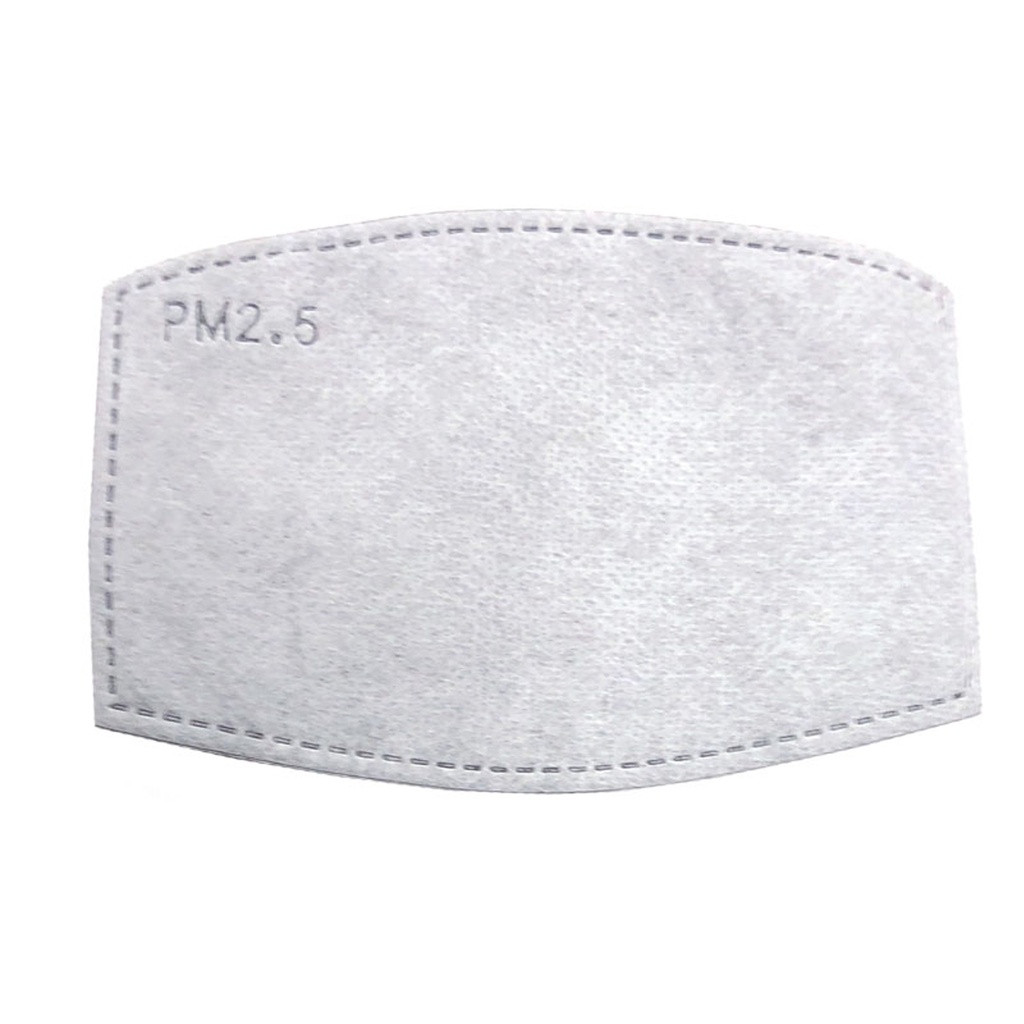
All of this is stitched into a curved rectangular insert that drops into the filter pocket of most standard reusable face masks. The PM2.5 marking is a quick visual cue that this is built to focus on fine particulate matter around 2.5 microns and smaller, not just large dust.
Build Quality Details That Matter for Real Protection
Five-Layer Construction You Can Actually Feel
When you flex this filter insert, it has a slight structure instead of feeling like a single sheet of tissue. That subtle stiffness comes from the stacked layers and perimeter stitching, which helps the filter hold its shape inside the mask pocket. A filter that collapses or bunches up leaves gaps; this one is designed to stay roughly in place under normal use.
Stitched Edge for Cleaner, More Stable Use
The stitched perimeter isn’t cosmetic. It keeps the layers aligned, reduces fraying, and makes it easier to slide the insert into and out of mask pockets without tearing. In day-to-day protection use, that means less fiddling, fewer damaged inserts, and a more consistent coverage area over your nose and mouth.
Everyday Carry and Emergency Preparedness Use
Think of this PM2.5 mask filter insert as a low-profile protection upgrade rather than a standalone solution. It works only when you pair it with a mask that fits your face well and seals reasonably around the nose and cheeks.
In practical terms, that means:
- For commuters and urban workers: Keep a few inserts in a small, sealed pouch in your bag. On high pollution or smoke days, drop a fresh filter into your cloth mask before heading out.
- For emergency kits: A 20 pack stores flat, takes almost no space, and adds a real upgrade to basic cloth masks in your go-bag or vehicle kit.
- For allergy and sensitivity management: Used with a well-fitted mask, these inserts add an extra buffer against pollen and dust, giving you more control over your exposure when you have to be out.
Unlike dramatic gear that you’ll hesitate to wear, this is meant to disappear into your routine: simple to carry, simple to use, and easy to replace when it’s time for a fresh filter.
How to Use This Mask Filter Insert Effectively
Fit and Placement
Slide the insert into the filter pocket of your reusable mask with the PM2.5 marking facing outward or inward—either side can function, but keep it consistent so you can track which side has been exposed. Make sure the curved long edges align with the general contour of your mask, covering both nose and mouth area. Smooth out any folds so the insert lies flat.
Replacement and Lifespan
There’s no universal “X hours” rule because air quality, humidity, and your own breathing rate vary. As a practical guideline, replace the filter insert:
- Daily in heavy use, poor air, or smoke conditions, or
- Every few outings in lighter, cleaner environments, or
- Immediately if it becomes damp, visibly dirty, or difficult to breathe through.
These are single-use inserts. Do not wash or try to “refresh” them; moisture can break down performance and trap contaminants instead of filtering them.
Limitations and Honest Expectations
This insert contributes to personal protection against fine particulates when paired with a good mask, but it is not a medical device, respirator, or guaranteed barrier against all pathogens. Treat it as a practical layer in a wider protection strategy: distance where possible, clean hands, and common-sense precautions based on your environment.
The strength of this product is not a flashy claim; it’s that you know exactly what you are getting—a five-layer PM2.5 filter that improves your mask’s ability to screen dust, smoke, and pollution, at a cost and form factor that make it realistic to keep a small stock on hand.
What People Ask Before Using a PM2.5 Mask Filter Insert
How effective are these inserts for everyday protection?
Used inside a well-fitted reusable mask, a PM2.5 filter insert can significantly improve your barrier against fine dust, smoke, and many urban air pollutants compared with an unfiltered cloth mask. The five-layer design, especially the activated carbon layer and higher-density core, is tailored toward fine particulate matter around 2.5 microns. It’s best thought of as an incremental but meaningful improvement in personal protection, not a substitute for certified respirators where those are specifically required.
Does the number of layers matter more than any single “rating” claim?
For everyday self-protection against pollution and airborne particulates, the combination of multiple layers, material choice, and mask fit matters more than a single marketing number. Here, the mix of spunbond cloth and activated carbon, built into a stable insert that actually stays in place, offers practical filtration without making breathing impossible. A poorly fitted mask with a high-sounding rating is less protective than a decent mask and a well-seated PM2.5 insert worn consistently.
Is this mask filter insert compatible with my mask?
Most reusable cloth masks with a dedicated filter pocket will accept this insert, especially those designed around common PM2.5 dimensions. Check that the pocket is at least as wide and tall as the insert and that once inserted it covers both nose and mouth area without folding excessively. If your mask has no filter pocket, this insert is not designed to sit loose between your face and the fabric—you’ll want a mask with a proper internal sleeve for best performance and comfort.
Practical Preparedness: Calm, Informed, and Ready
Adding a PM2.5 mask filter insert to your kit is not about panic or worst-case thinking. It’s simply about having a reasonable, evidence-based layer of extra protection ready for the days when air quality is worse than usual, or when your work or commute puts you in higher exposure environments. A flat 20 pack takes almost no space, gives you enough rotation to stay ahead of wear and contamination, and works with the reusable masks you already use.
Used consistently, with realistic expectations and basic mask-wearing habits, these inserts help you move through bad-air days with more control and less guesswork—exactly the kind of quiet protection upgrade that belongs in a practical emergency preparedness setup.