Fast Response IIIA Hard Plate Carrier System - Black
6 sold in last 24 hours
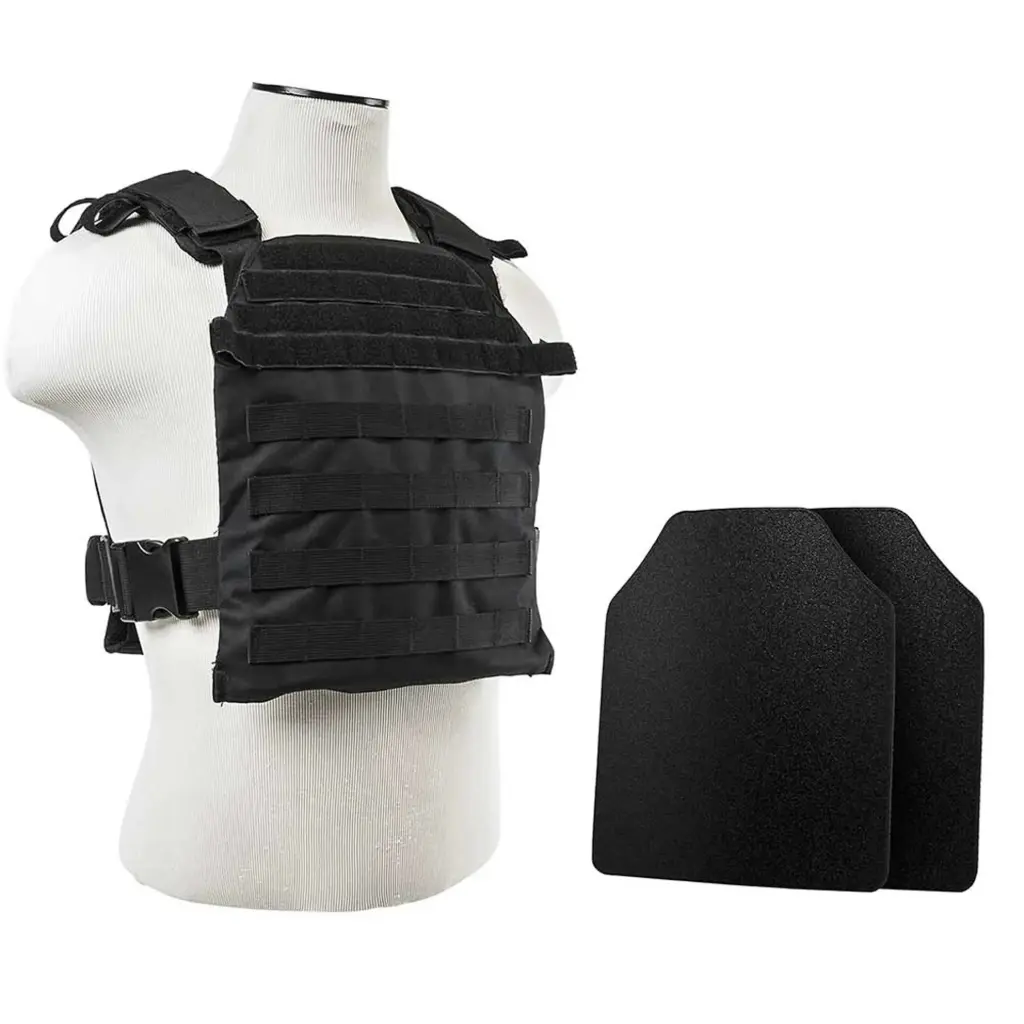
This is a complete Level IIIA hard armor solution built for fast deployment. The Fast Response IIIA Hard Plate Carrier System pairs a lightweight 1050 nylon carrier with two 10"x12" UHMWPE single-curve shooter’s cut plates tested to NIJ 0101.06 for pistol threats up to .44 Mag at 1,400 FPS. Adjustable shoulder and side straps with quick-connect buckles let you get it on quickly, while full PALS webbing, mesh-lined panels, and a reinforced drag handle support real tactical use and extended wear.
What This Level IIIA Plate Carrier System Actually Does
This Fast Response IIIA Hard Plate Carrier System is a complete pistol-threat armor package: a 1050 nylon fast plate carrier plus two 10"x12" UHMWPE Level IIIA hard ballistic plates. It’s designed to give you dependable protection against common handgun rounds, fast on/off when seconds matter, and a MOLLE-ready platform for mission-specific gear. No drama, no fantasy rifle claims—just honest Level IIIA ballistic protection for real-world pistol threats.
How Ballistic Plate Carriers Work for Personal Protection
A ballistic plate carrier does two things: it positions armor over vital organs, and it lets you move and work while wearing that protection. The carrier itself isn’t bullet resistant; the hard ballistic plates inside are what stop handgun rounds. This system uses 10"x12" single-curve shooter’s cut plates sized to cover the heart, lungs, and major vessels while keeping your shoulders clear enough to shoulder a rifle or draw from a holster without fighting the armor.
Level IIIA, tested under NIJ 0101.06, is rated for pistol-caliber protection, including 9mm and .44 Magnum up to about 1,400 FPS. It is not rifle armor, and the manufacturer is up-front about that. If you expect rifle threats, you step up to rifle-rated plates. If your realistic risk profile is handguns—patrol, security, or home-defense scenarios—Level IIIA hard plates provide a solid, lighter-weight option.
Fast Response IIIA Hard Plate Carrier System – Protection Details
The included UHMWPE ballistic plates are the heart of this protection system. UHMWPE (ultra-high-molecular-weight polyethylene) allows a lighter plate than traditional steel, helping you stay mobile and effective. The plates are single-curve shooter’s cut 10"x12" panels, tested in accordance with Level IIIA NIJ 0101.06, and are capable of stopping 9mm and .44 Mag handgun rounds up to 1,400 FPS. They are not designed for rifle ammunition, armor-piercing handgun loads, or high-velocity specialty rounds.
A polyurea outer coating fully seals each plate, providing corrosion resistance, structural enhancement, waterproofing, and abrasion resistance. That sealing also matters for practical use: you can train and work in rain, sweat, or dust without worrying about the ballistic core absorbing moisture or breaking down prematurely.
Carrier Fit, Adjustability, and Coverage
The fast plate carrier is built around 10"x12" front and rear plate pockets and adjusts from Small up to 2XL. Two-inch side straps with large quick-connect buckles extend out to 58" in length, giving you a wide fit range over base clothing or outer layers. Adjustable shoulder straps allow you to set proper ride height so the armor sits high enough to cover the vital zone instead of hanging too low on the torso.
Both front and rear panels use breathable mesh inner pockets, improving airflow during long wear and helping manage heat buildup. This isn’t comfort theater—it’s what lets you actually keep the carrier on during extended shifts or active incidents instead of stripping it off when things get uncomfortable.
Build Quality: 1050 Nylon, Webbing, and Drag Handle
The carrier is made from tough 1050 nylon, which is water and chemical resistant and reinforced with double and cross stitching in critical areas. PALs webbing covers both front and back panels, giving you full MOLLE compatibility for holsters, magazine pouches, radios, and medical gear. The heavy-duty drag handle webbing runs from the top almost to the bottom of the rear panel on both sides for extra strength, allowing a partner to move you if you are injured without the handle tearing free.
Two padded shoulder covers with PALS webbing and cable routing loops keep sling and communication lines managed instead of snagging on buckles. Hook-and-loop fields (10"W x 4"H) on both front and rear provide space for department patches, name tapes, and identifiers, which matters for law enforcement, security teams, and organized response groups.
Carry Reality: How This Ballistic Vest Works in the Field
This ballistic vest is built for people who might actually need to move, work, or fight while wearing armor. Quick-connect buckles on both the adjustable sides and shoulders let you get the carrier on and off rapidly without threading long straps each time. That matters when you’re pulling this on over street clothes at the start of a security shift, or grabbing it from a vehicle during a developing threat.
Because the plates are UHMWPE instead of steel, the weight is lower and more manageable for long-term wear. The shooter’s cut plate shape gives your shoulders more freedom to mount a long gun or manage a pistol draw, and the low-profile, boxy carrier design keeps gear tight to the body instead of swinging or printing excessively.
What People Ask Before Buying a Stun Gun for Protection
How effective are stun guns for self defense?
Stun guns for self defense rely on pain compliance and muscular disruption at close range, not on “instant knockouts.” Their effectiveness depends on amperage (current), contact time, and where you place the probes or contact points. High “million volt” marketing numbers are mostly noise; a well-built stun gun with sufficient amperage, solid contact, and a few seconds of application can create an opportunity to break contact and escape. They are not a guarantee, and they require you to be close enough to physically touch the attacker or reach them with the probes.
Does voltage or amperage matter more in a stun gun?
Voltage gets the marketing headlines, but amperage is what actually does work in a stun gun. Voltage is the pressure that helps the charge arc through clothing and skin; once contact is made, it’s the current (amperage) and contact time that affect how much the muscles lock up and how intense the pain is. Extremely high “voltage” numbers you see on packaging are often not meaningful in real-world self defense. When evaluating a stun gun for self defense, look for reputable manufacturers, real-world test data, and design features like contact area, grip, and safety switches rather than chasing the highest advertised voltage.
Is this stun gun legal to carry in my state?
Stun gun and conducted energy weapon laws vary widely by state and sometimes by city. Some jurisdictions treat a stun gun like any other personal protection tool for adults; others require permits, restrict carry in certain locations, or ban them outright. Before buying a stun gun for personal protection, check your state statutes and local ordinances, and confirm whether there are age limits, training requirements, or location-based restrictions (schools, government buildings, etc.). Laws also change, so rely on current legal sources rather than old forum posts.
Legal and Use-Case Context for This Ballistic Protection
Ballistic vests and plate carriers are generally legal for civilians in most U.S. states, with some exceptions for convicted felons or when armor is worn during the commission of a crime. This system is aimed at law enforcement, security professionals, and prepared civilians who realistically expect pistol threats and want Level IIIA protection they can deploy quickly.
As with any protective gear, the key is matching the tool to the environment. This carrier and plates provide pistol-caliber protection, MOLLE real estate, and fast donning—ideal for patrol, armed security, church safety teams, or as a ready vest staged in a vehicle or safe room. It is not a substitute for rifle-rated armor in high-velocity rifle environments, and it does not replace training in movement, communication, and scenario-based tactics.
Carrying Protection with Competence
Protection gear should make you more capable, not just more encumbered. With this Level IIIA plate carrier system, you gain pistol-threat coverage over your vitals, a stable platform for mission-essential gear, and a carrier you can adjust quickly to your body and clothing layers. Understanding what it is—and isn’t—rated for lets you use it intelligently: pistol environments, not rifle firefights.
Paired with realistic training, clear role definitions, and an honest look at your threat profile, this ballistic vest becomes one part of a broader personal protection plan. You know what it protects against, how to wear it, and how to integrate it into real-world operations without relying on hype or unrealistic expectations.