Petal Shield Triple-Defense Stun Gun - Daisy Purple
12 sold in last 24 hours
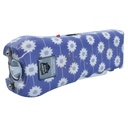
This stun gun for self defense hides real protection in a friendly daisy design. The Petal Shield Triple-Defense combines a powerful stun, piercing alarm, and bright flashlight in one compact, rechargeable unit. A disable-pin wrist strap helps keep control in your hands, even if someone tries to grab it. Built to ride discreetly in a purse or holster, it’s designed less to impress with fake voltage numbers and more to work reliably when you actually need it.
What This Triple-Defense Stun Gun Actually Does
The Petal Shield Triple-Defense Stun Gun - Daisy Purple is built for practical personal protection, not scare-tactic voltage marketing. It gives you three real self-defense tools in one compact, purse-ready device: a direct-contact stun gun for self defense, a loud panic alarm to draw attention and disrupt an attacker’s focus, and a bright front-facing flashlight to identify threats and manage low-light situations. The floral design keeps it discreet, but the internals are all business.
Instead of chasing “million volt” headlines, this stun gun focuses on what actually matters: consistent current delivery, solid contact points, and a form factor you can grip, aim, and activate quickly under stress. It’s designed for people who want honest, usable protection they’ll actually carry.
How Stun Guns Work for Self Defense (Without the Hype)
If you’re researching the best stun gun for personal protection, you’ve likely seen wild voltage claims. Here’s the reality: for a stun gun to be effective for self defense, it needs enough amperage (current) and good contact with the attacker’s body, not just a big voltage number in the product title.
Voltage is mainly the pressure that helps the electrical charge arc across clothing and skin. Once it makes contact, amperage and contact time are what influence how disruptive the shock feels. A well-designed stun gun for self defense uses a safe-but-effective current level and focuses it through quality metal probes with enough surface area to deliver a meaningful jolt.
This model uses twin front probes, positioned at the very front corners, so when you drive it forward into a target area (hip, thigh, abdomen, upper arm), you’re not fighting the housing to make contact. You put the stun gun where it needs to go, press the activation, and the device does the rest.
Stun Gun for Self Defense: Why This Model Works in Real Life
Effectiveness in a stun gun for personal protection comes down to three things: can you carry it, can you get it into play quickly, and will it work when you press the switch. The Petal Shield Triple-Defense is built around those realities.
The finger-grooved body helps you orient it correctly without having to look at it. The main control slider and activation are placed so you can operate them with one hand, even if the other hand is occupied with a bag, door, or phone. The floral finish is deliberate—this doesn’t scream “weapon,” which makes it easier to keep in your hand without drawing attention when you feel uneasy walking to your car or across a dark lot.
Build Quality and Power Reliability
Under the daisy pattern is a rigid, glossy shell that resists everyday bumps in a purse or bag. The internal rechargeable battery pairs with a slide-out plug, so you’re not chasing loose chargers. That means you’re more likely to keep it topped up, which matters more for real-world protection than any advertised “super voltage.”
The red indicator LED confirms when the stun function is armed, giving you simple visual feedback that it’s live. This is the kind of practical detail a self-defense instructor looks for: you want to know, at a glance, whether your stun gun is ready.
Carry Format That Fits Daily Life
This is a compact stun gun designed for purse, small bag, or holster carry. The included holster lets you stage it in a consistent position—same place, same orientation every time. That repeatability speeds up deployment. The disable-pin lanyard attaches to your wrist, so if someone tries to rip the stun gun away, the pin pulls free and cuts the power, stopping them from using it against you.
Triple-Defense Features: Stun, Alarm, and Light Working Together
Calling this a triple-defense tool isn’t marketing fluff; the three functions solve different protection problems:
- Stun gun for close-contact self defense: Direct contact with the probes delivers a painful shock intended to create an opportunity to break contact and move away.
- Loud panic alarm: The integrated alarm is there to draw attention and disrupt a predator’s comfort zone. Many attackers rely on privacy; noise works against them.
- Front-facing flashlight: A usable light helps you scan parking lots, find door locks, and avoid walking blind into corners. Most real self-defense is about avoiding bad spots in the first place.
Used together, these functions support a layered approach to protection: see trouble earlier, deter with sound and presence, and have a direct-contact tool if someone still closes the distance.
Voltage vs. Amperage: What Actually Matters in a Stun Gun
Here’s the blunt truth: those “10 million volt” labels you see everywhere are mostly marketing. They’re not measured the way a professional electrician or engineer would measure real output, and they tell you almost nothing about how the stun gun behaves on contact.
Amperage (current) and contact time matter far more. A realistic self-defense stun gun uses a low-but-effective current designed to cause intense pain and muscle disruption without being medically reckless. When you drive the probes into a target area and maintain contact for 1–3 seconds, you’re giving the device time to do its job.
This stun gun doesn’t lean on wild voltage claims. It focuses on functional contact points, consistent spark, and a power system you’ll actually keep charged. If you remember nothing else: a modestly rated stun gun that’s in your hand, charged, and easy to use beats a “million volt monster” buried at the bottom of a drawer.
What People Ask Before Buying a Stun Gun for Protection
How effective are stun guns for self defense?
Stun guns can be effective for self defense when used as they’re designed: at very close range, with firm contact and a few seconds of activation. They shine as a break-contact tool—something that causes enough pain and shock to let you disengage and move to safety. They are not magic wands; they don’t send people flying and they don’t work at a distance. If you expect to have to fight at arm’s length, a stun gun is one useful option among others, especially when paired with awareness, verbal boundaries, and escape planning.
Does voltage or amperage matter more in a stun gun?
Amperage matters more for real-world effect. Voltage helps the electricity arc across clothing and skin, but once contact is made, it’s the current and how long you maintain contact that influence how intense the shock feels. That’s why informed buyers and self-defense instructors largely ignore exaggerated voltage numbers and look instead at build quality, contact design, and power reliability. A stun gun with honest engineering and a solid grip, like this model, is far more valuable than a flashy voltage claim.
Is this stun gun legal to carry in my state?
Stun gun laws are highly state- and sometimes city-specific. Many states allow stun guns for personal protection, but some require permits, restrict carry in certain locations (schools, government buildings, bars), or limit sales entirely. Before you carry this stun gun for self defense, check your state and local laws by searching terms like “stun gun legality [your state]” or reviewing your state’s weapon statutes. If you’re unsure, consult local law enforcement or a qualified attorney; ultimately, it’s your responsibility to confirm what’s legal where you live.
Carrying This Stun Gun with Real-World Confidence
Effective self defense is less about the gear you own and more about the gear you actually carry and know how to use. The Petal Shield Triple-Defense Stun Gun - Daisy Purple is designed to live in your daily routine: holstered in a consistent spot in your bag, charged via its slide-out plug on a regular schedule, and familiar in your hand from a few minutes of dry practice (with the safety enabled and no one in front of the probes).
If you treat this stun gun as one layer in your overall personal protection—awareness first, avoidance when possible, voice and alarm next, and direct-contact stun only when needed—you’re using it the way serious self-defense professionals recommend. You walk to your car a little more calmly, not because you believe in magic gadgets, but because you’ve chosen a tool you understand, can access quickly, and are prepared to use if you have to.