Heritage Block Full-Tang Meat Cleaver - Wood Handle
3 sold in last 24 hours
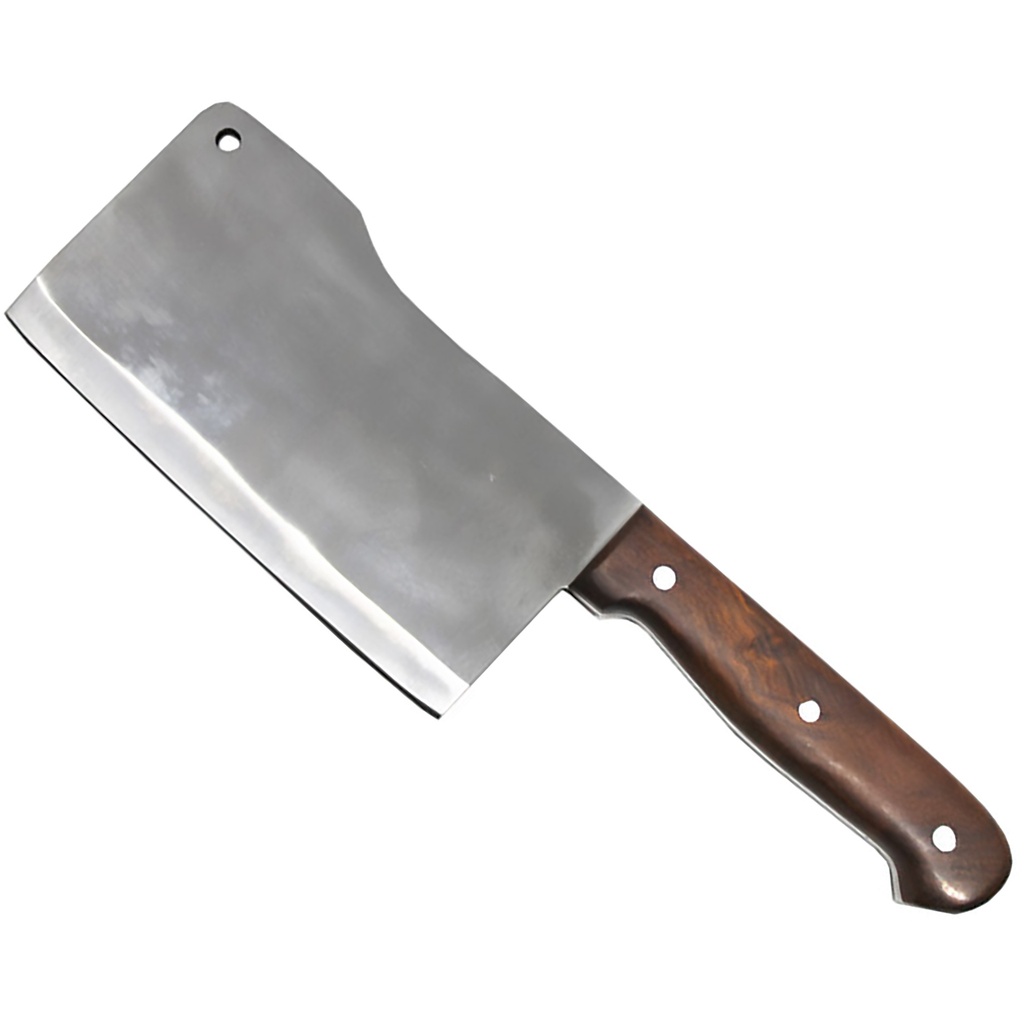
The Heritage Block Full-Tang Meat Cleaver - Wood Handle is a straightforward, work-ready kitchen tool built for serious chopping. Its 6" polished steel blade and 5" full-tang wood handle give you solid weight and confident control for breaking down meat, trimming bones, or handling dense vegetables. Three sturdy handle rivets and an exposed tang speak to durability, while the hanging hole keeps it ready on your prep wall. A classic cleaver for cooks who prefer reliable wood-and-steel over gimmicks.
What This Meat Cleaver Actually Does in Your Kitchen
The Heritage Block Full-Tang Meat Cleaver - Wood Handle is built for one job: confident, controlled chopping when you need to break down meat, split joints, or tackle dense prep that would abuse a standard chef’s knife. This isn’t a showpiece; it’s a straightforward butcher’s cleaver with a 6-inch steel blade and full-tang construction designed for real kitchen work.
Where a lighter knife flexes or hesitates, this meat cleaver brings mass and stability. The wide rectangular blade gives you impact for cutting through cartilage, trimming ribs, and portioning larger cuts, while the 5-inch wooden handle keeps your grip secure and predictable.
Design: A Traditional Meat Cleaver Built on Full-Tang Strength
This is a classic Western-style meat cleaver: broad blade, wood handle, full tang, and a simple hanging hole at the corner. No decorative etching, no gimmicks—just design choices that make sense for everyday kitchen and barbecue prep.
Full-Tang Construction You Can See and Feel
The steel runs the full length of the handle, exposed around the edges. That full-tang design means the blade and handle act as one solid piece, giving you better control when you swing down on thick cuts. It also means fewer weak points; you’re not relying on a hidden tang or glued joint when you’re chopping against a cutting board.
Wood Handle for Secure, Comfortable Grip
The 5-inch wood handle is contoured with gentle curves and finger grooves to help your hand settle into a stable grip. Three metal rivets lock the scales to the tang, keeping the handle solid under repeated impact. The warm wood finish offers a familiar, traditional feel that a lot of home cooks and pitmasters prefer over plastic.
Blade Shape and Edge: Why This Cleaver Works for Heavy Prep
The 6-inch polished steel blade is a true meat cleaver profile—tall, rectangular, and slightly curved near the spine toward the tip. That shape gives you both a strong chopping edge and a large, flat side for practical kitchen use.
- Heavy chopping ability: The tall, straight edge is meant for cutting through meat, small bones, joints, and thick vegetables.
- Food scooping: The broad face lets you scoop up chopped ingredients and transfer them from board to pan.
- Hanging hole: The hole near the front corner makes it easy to hang this cleaver on a wall rack or hook so it’s always within reach.
The blade arrives with a plain edge that’s straightforward to maintain using a stone or hone. This isn’t a delicate razor—this is a working edge meant to hold up under impact, then be refreshed as part of your normal kitchen routine.
Real-World Use: Where This Meat Cleaver Belongs
This meat cleaver fits naturally in home kitchens, backyard barbecue setups, and small butcher-style prep spaces. If you regularly work with whole chickens, racks of ribs, pork shoulders, or large roasts, this gives you a dedicated tool that won’t make you nervous about chipping your thinner chef’s knife.
Control and Confidence on the Cutting Board
The balance of a full-tang meat cleaver like this matters. With the weight focused in the blade and a solid wood handle, you can let gravity help with each cut instead of muscling through with a lighter knife. That means more consistent cuts and less strain on your hand and wrist over longer prep sessions.
The exposed tang at the pommel also gives you a sense of where the tool ends in your hand, which helps when you’re working quickly or on a crowded prep station.
Build Quality: What Tells You This Cleaver Will Hold Up
When you choose a meat cleaver, you’re looking for signs it won’t loosen, crack, or twist under repeated hard use. This cleaver shows its quality in a few simple, visible ways:
- Full-length steel tang: Reinforces the entire handle so impact force travels through steel, not just wood.
- Triple-riveted handle scales: Three metal rivets keep the wood locked to the tang for long-term stability.
- Solid wood handle: A traditional, repairable material that ages well with basic care.
- Single-piece blade: The polished steel blade is one continuous piece—no joints or bolted segments to fail.
For most home cooks and grill enthusiasts, this level of build is more than enough for regular meat prep, bone trimming, and heavy chopping when needed.
Care, Maintenance, and Safe Handling
A meat cleaver is as safe as its handler and how it’s maintained. This model rewards basic, consistent care:
- Hand-wash only: Wash with warm soapy water, dry immediately to protect the wood handle and steel.
- Store safely: Use the blade hole to hang it on a dedicated hook, or store in a block or on a magnetic strip with the edge protected.
- Regular honing: Light honing keeps the edge working efficiently; occasional sharpening restores it fully when you notice it struggling.
Because the handle is wood, avoid long soaks and dishwasher cycles—those are the fastest ways to shorten the life of any wood-handled kitchen knife.
What People Ask Before Buying a Meat Cleaver
How heavy is this compared to a chef’s knife?
While exact weight isn’t listed here, a meat cleaver with a 6-inch blade and full tang will typically feel noticeably heavier than a standard chef’s knife of similar length. That added mass is intentional—it helps drive the blade through joints, cartilage, and thick cuts without relying only on arm strength.
Can this meat cleaver cut through bone?
This type of meat cleaver is well-suited for small bones, poultry joints, ribs, and cartilage. For very large, dense beef bones, professional butchers often use heavier specialized cleavers or saws. In a home or barbecue setting, this cleaver is ideal for breaking down chickens, trimming ribs, portioning pork shoulders, and handling similar tasks.
Is a full-tang meat cleaver really better?
A full-tang design generally offers better strength and durability for impact work. Because the steel runs through the entire handle, the blade and handle act as one solid unit, which reduces flex and helps prevent handle separation or cracking under repeated chopping. For a tool that regularly meets the board with force, full tang is a smart choice.
How should I grip a meat cleaver safely?
Use a firm, wraparound grip on the wood handle with your index finger comfortably behind the bolster area and not choked too far forward. Keep your guiding hand’s fingers curled under (the classic “claw” grip) on top of the item you’re cutting. Work on a stable, non-slip cutting board, and let the weight of the cleaver assist your cut rather than forcing it through with raw strength.
Choosing a Cleaver You’ll Actually Use
The best meat cleaver isn’t the flashiest—it’s the one that feels predictable in your hand, holds up to real work, and earns a permanent place on your prep line. The Heritage Block Full-Tang Meat Cleaver - Wood Handle fits that role: a straightforward wood-and-steel tool with a 6-inch blade, full-tang strength, and a handle that encourages a secure, natural grip.
If you regularly work with larger cuts, smoke your own meats, or just want a dedicated knife that can take the heavy hits your chef’s knife shouldn’t, this cleaver is a solid, honest choice. Learn its weight, maintain its edge, and it will quietly handle the hard jobs in your kitchen for years.
| Blade Length (inches) | 6 |
| Overall Length (inches) | 1 |
| Blade Color | Silver |
| Blade Finish | Polished |
| Blade Style | Normal Straight |
| Blade Edge | Plain |
| Blade Material | Steel |
| Handle Finish | Glossy |
| Handle Material | Wood |
| Theme | None |
| Handle Length (inches) | 5 |
| Tang Type | Full Tang |
| Pommel/Butt Cap | Exposed tang |