
Highway Rhythm Classic Tire Thumper Baton - Onyx Maple
13 sold in last 24 hours
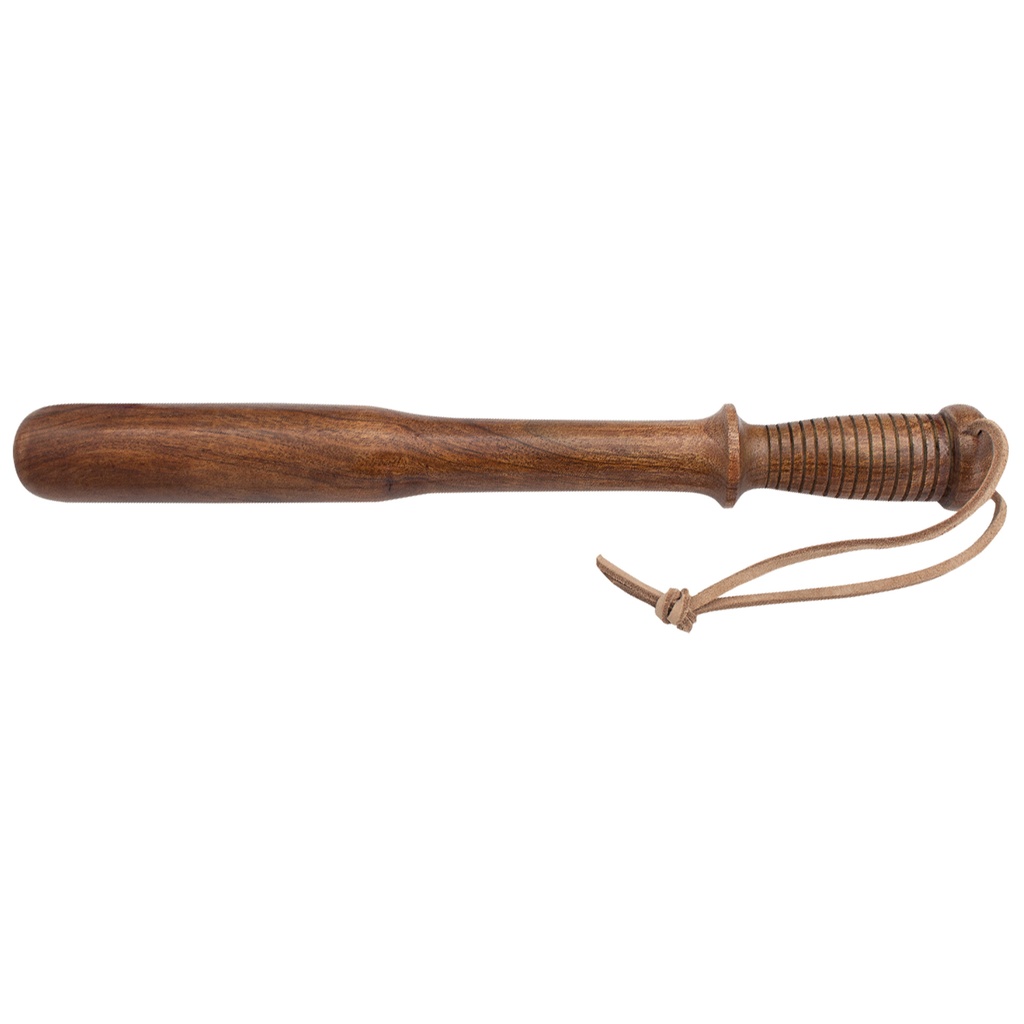
The Highway Rhythm Classic Tire Thumper Baton - Onyx Maple is a solid maple tire checker sized for real road work at 18.5 inches. The grooved handle and leather wrist strap keep it locked in your hand during fast, consistent tire checks. Turned from a single piece of wood, it gives a clean, audible report with every strike so you can spot a soft tire before it becomes a roadside problem. Classic cab-side gear with the balance and feel drivers actually use.
What the Highway Rhythm Tire Thumper Baton Actually Does
The Highway Rhythm Classic Tire Thumper Baton - Onyx Maple is built for one primary job: fast, reliable tire checks on the road. It’s a traditional wooden tire checker sized and balanced for professional drivers who do real pre-trip inspections and want a simple, durable tool riding cab-side. No gimmicks, no tactical drama—just a solid maple baton that gives you a clear read on your tires and doubles as a straightforward impact tool if your personal safety ever demands it.
Highway Rhythm Tire Baton Build: Why Solid Maple Matters
At 18.5 inches, this tire checker rides in the sweet spot between reach and control. The shaft is turned from solid maple, not laminated scraps or composite filler. That one-piece construction matters. It means a consistent weight distribution from handle to tip, so every tire thump feels predictable. When you tap a tire, you’re listening and feeling for the rebound. A solid wooden tire thumper like this transmits that feedback cleanly through your hand instead of soaking it up.
The Onyx Maple finish protects the wood without making it slick. You still feel the grain, and you still get real traction when your hands are dry, cold, or a little sweaty from working around the rig. This is classic road gear—something that feels at home leaning behind the seat or in the door pocket, not like a novelty bat.
Grooved Grip You Can Trust Under Real Conditions
The grooved handle isn’t decoration. Those evenly spaced rings give your fingers repeatable purchase points. If you’re working pre-trip in the rain, with cold hands or light gloves on, the grooves help lock your grip in without needing aggressive texture. The subtle flared collar between the shaft and handle also acts as a natural stop, so your hand won’t ride forward on a hard swing.
Leather Wrist Strap for Control and Retention
The leather wrist strap is there for two reasons: retention and recovery. If the tire checker slips on a fast swing or you get bumped climbing around the truck, the strap keeps it from dropping to the ground or off the side of the rig. In a defensive context, that same strap helps you keep control if someone tries to grab or strip the baton from your hand. It’s a small feature that adds a lot of practical security.
How a Tire Checker Baton Fits Into Personal Protection
This is sold as a tire checker, and that’s the honest primary role. But the shape, length, and balance are the same fundamentals that make a short baton effective as a self-defense tool. Think in realistic terms: this is not a movie weapon; it’s a sturdy, impact-capable stick that gives you reach, leverage, and the ability to create distance if someone closes in on you around your vehicle or at a stop.
Used responsibly, an 18.5-inch wooden baton lets you target large muscle groups and limbs to stop forward pressure without needing complex techniques. The grooved handle and wrist strap make it easier to keep your grip under adrenaline. It’s simple: if you already carry this to check tires, it’s one more layer of physical presence and reach if you ever need to defend yourself long enough to get away.
Carry Reality: Where This Tire Baton Actually Lives
Drivers don’t baby their tools. This tire checker is designed to live where it’s handy: cab-side, in the door pocket, behind the seat, or in a side box if that’s your setup. The straight, rounded profile means it slides easily into a narrow storage gap without catching. The leather strap can hang on a hook or peg so it’s always in the same place when you reach for it before a pre-trip or quick walk-around at a fuel stop.
Because it looks like what it is—a classic wooden tire checker—it reads as normal work gear, not a flashy tactical baton. That matters in truck stops, yard lots, and weigh stations where you want to stay low-profile while still having a solid tool close at hand.
Using the Baton for Consistent Tire Checks
With any tire checker, consistency is the real skill. This baton’s balance makes it easier to develop a repeatable strike: same force, same angle, same distance from the ground. Over time, your ear and hand learn the difference between a properly inflated tire’s sharp, springy report and the duller, softer sound of a low tire. The maple construction and smooth tip help you feel that difference without extra vibration or hotspots in your grip.
Practical Effectiveness: Why This Baton Works as a Tool
A tire checker baton doesn’t need complicated mechanics or moving parts to be effective. Its job is to turn a quick tap into useful information—and, if necessary, into a decisive, controlled strike for self-defense. Solid wood, correct length, and a secure handle are the real performance specs here. The Highway Rhythm’s design checks all three boxes without unnecessary complication.
For drivers and road workers who prefer straightforward gear, this baton does exactly what it should: it helps you identify tire problems before they become breakdowns, and it gives you a simple, confidence-building tool in your hand when you’re walking around a lot at night or doing checks in less-than-comfortable places.
What People Ask Before Buying a Stun Gun for Protection
How effective are stun guns for self defense?
Stun guns can be effective for self defense when used correctly, but it’s important to understand their limitations. They are contact tools—you have to get the device directly onto an attacker’s body and maintain contact for at least one to three seconds for meaningful effect. A good stun gun for self defense uses adequate current (amperage), a reliable power source, and solid electrodes to disrupt muscle control and create a pain response. They are not magic wands; you still need awareness, distance management, and a plan to move to safety once you deploy it. Many people pair a stun gun with other tools and good habits—like pre-trip checks with a tire baton—rather than relying on a single device.
Does voltage or amperage matter more in a stun gun?
Voltage gets the marketing headlines, but amperage is what actually does the work. High “million volt” numbers mostly describe the potential to arc across air, not real stopping power. For self-defense, what matters is safe but effective current (measured in milliamps), how well that current is delivered through the contact points, and how long you can keep contact under stress. A well-built stun gun with honest amperage, quality contacts, and a good grip will outperform a cheap “10 million volt” gadget every time. When evaluating a stun gun for protection, look for solid construction, accessible controls, and realistic specs—not just the biggest voltage claim on the package.
Is this stun gun legal to carry in my state?
Stun gun laws vary by state and sometimes by city. Many states allow stun guns for personal protection with few restrictions, while others require permits, limit carry locations, or ban them outright in certain jurisdictions. Before you buy or carry any stun gun for self defense, check both your state statutes and local ordinances. Look for terms like “electronic control device,” “conducted energy weapon,” or “stun gun” in the legal code. If you’re a professional driver crossing state lines, remember that what’s legal at home may not be legal everywhere you stop—plan accordingly and keep your primary tools, like this tire checker baton, clearly within the law for your work role.
Closing the Loop: Practical Preparedness on the Road
Prepared drivers think in layers. You use a tire checker baton like the Highway Rhythm Classic Tire Thumper Baton - Onyx Maple to catch tire issues before they strand you. You might carry a stun gun for self defense if it’s legal where you work. You keep your head up at stops and move with a plan instead of reacting late.
This baton fits that mindset. It’s a simple, durable tool that earns its space in the cab every day you use it for inspections—and if the situation ever shifts from mechanical problems to personal safety concerns, it’s already in your hand, balanced, and familiar. That combination of honest utility and straightforward defensive potential is what makes it worth carrying.