Palm Lock Control Push Dagger - Black Handle
15 sold in last 24 hours
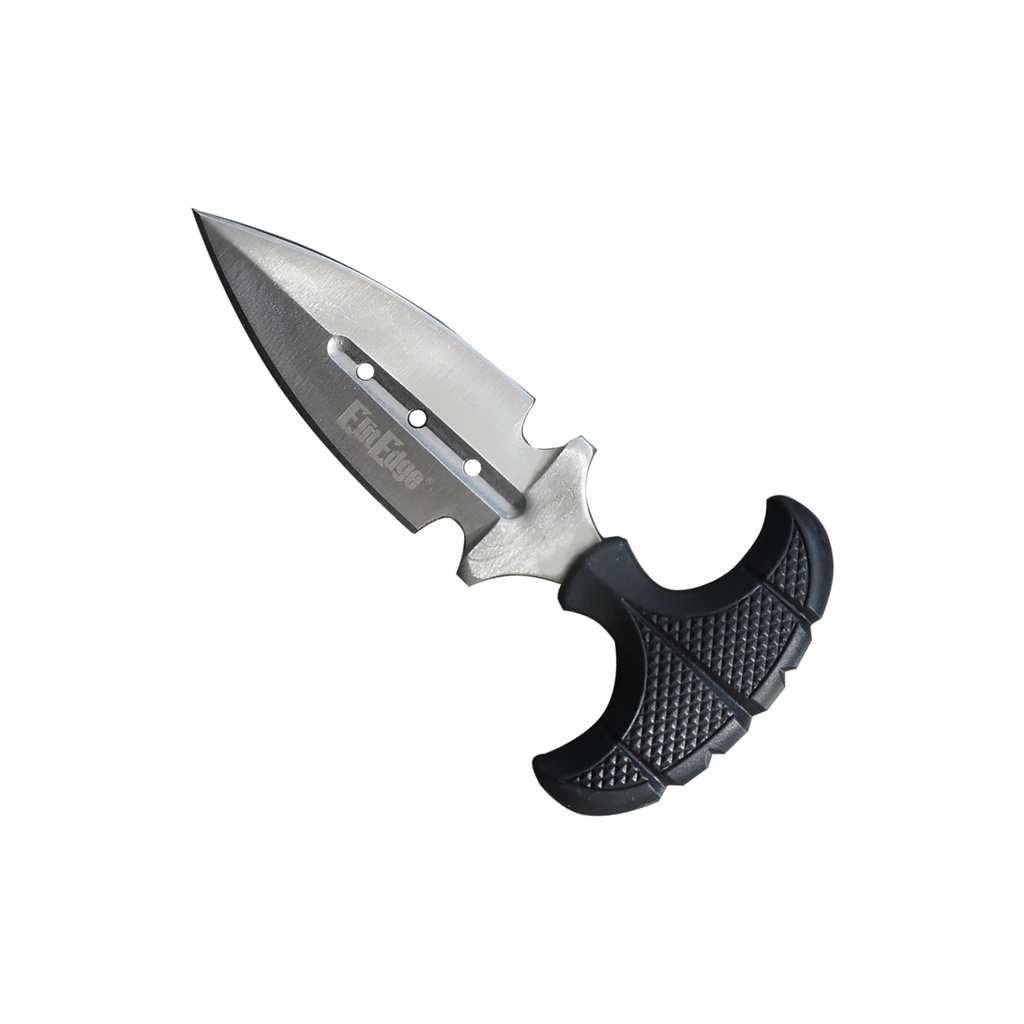
The Palm Lock Control Push Dagger turns a simple grip into anchored defense. Its silver double-edge spear point runs from a full, skeletonized tang into a textured black T-handle, giving two-finger control with real bite. At 5.625 inches overall and just 2.65 oz, it conceals easily yet locks into the palm with instinctive alignment. For security work, backup carry, or discreet personal protection, this compact fixed blade delivers predictable, repeatable control when space and time are tight.
What the Palm Lock Control Push Dagger Actually Does
The Palm Lock Control Push Dagger - Black Handle is built for one specific job: close-quarters personal protection where space is tight and reaction time is short. This is a compact fixed-blade push dagger designed to sit low profile until needed, then lock into your palm for direct, controlled force. No gimmicks, no moving parts—just a stable, T-handle tool that turns your natural punching motion into focused self-defense.
At 5.625 inches overall and only 2.65 oz, this push dagger disappears on the belt or in a bag, yet fills the hand with a confident, repeatable grip. It’s aimed at people who want a straightforward protection option: security personnel, night-shift workers, and anyone building a practical self-defense setup.
How a Push Dagger Works for Personal Protection
Unlike a traditional knife that you swing or slice, a push dagger is designed to stay aligned with your fist. The T-shaped handle sits across your palm, with your index and middle fingers wrapping around the grip. The double-edged spear-point blade extends straight out from your knuckles, so any forward pressure—like a straight punch or firm shove—drives the point in line with your arm.
This alignment matters for self defense. Under stress, fine motor skills drop. Gross movements, like pushing or punching, are easier to perform consistently. A push dagger harnesses those natural motions. Instead of worrying about blade angle, you focus on basic pressure and direction while maintaining a strong, retained grip.
Blade Design and Build Quality That Support Real-World Use
The blade on this push dagger is a silver, double-edge spear point with a satin finish. That geometry is deliberate: a centered, symmetrical point that tracks straight, and twin edges to keep the profile slim while maintaining penetration capability. The blade includes a central fuller with circular cutouts, reducing weight slightly and giving a modern tactical profile without compromising strength in normal self-defense use.
Fixed Blade Reliability, No Moving Parts
Because this is a fixed blade push dagger, there are no hinges, buttons, or lock mechanisms to fail. The tang runs into the T-handle, and the synthetic handle scales are fastened securely, giving you a solid, single-piece feel. For a dedicated self-defense tool, that simplicity is a reliability advantage: draw, establish your palm lock grip, and it’s ready. No opening, no deployment mechanics to fumble under pressure.
Double-Edged Spear Point for Straight-Line Control
The double edge and spear-point tip keep the profile narrow and centered. In a personal protection context, that means the blade naturally tracks in a straight line from your forearm through to the point. Whether you’re pushing forward or bracing with palm pressure, you don’t have to fight the tool—it follows your structure.
Grip-Control Handle: Where This Push Dagger Stands Out
The defining feature of this push dagger for self defense is its T-shaped, grip-control handle. The black synthetic handle has textured panels and pronounced finger grooves for a two-finger hold. The ends of the T-handle flare slightly like a guard, helping to lock the handle into your palm.
Locked-In Palm Grip Under Stress
Self-defense tools need to stay in your hand when adrenaline spikes. The textured panels and deep grooves on this handle give your index and middle fingers clear indexing. Once you close your hand, the T-handle braces across your palm and the flared ends resist slipping. That secure grip means less likelihood of losing control in a scramble, which is exactly what you want from a backup protection tool.
Compact, Flat Profile for Discreet Carry
At 2.65 oz and with a short, centered blade, this push dagger rides comfortably in typical push-dagger sheaths (sold separately) without dragging on clothing or printing heavily. It’s sized for concealed or low-visibility carry—on a belt, molle panel, or inside a bag—so it can be part of a layered self-defense setup instead of your only option.
Carrying a Push Dagger as Part of a Self-Defense Setup
This push dagger is not a do-everything knife; it’s a dedicated close-quarters self-defense blade. That clarity is a strength. In real-world protection planning, many people pair a primary tool (like a flashlight, pepper spray, or compliant impact device) with a compact blade as a last-ditch option. This dagger fits that role.
Because the handle is a simple T-shape, it’s fast to establish grip by feel alone. With practice, you can draw and orient the blade purely by touch, which matters when your focus is on the situation, not the tool. Training with an inert trainer or practicing slow, safe draws from your chosen sheath position is highly recommended before relying on any blade for personal protection.
What People Ask Before Buying a Stun Gun for Protection
How effective are stun guns for self defense?
Stun guns can be effective for self defense when used realistically and within their limits. They are contact tools: you must be close enough to press the electrodes into an attacker and maintain contact for a meaningful duration—often several seconds—to disrupt their nervous system enough to create an opening to escape. Build quality, amperage (current), contact time, and where you apply it matter more than big voltage numbers in marketing. They work best as part of a broader personal protection plan, not as a magic-stop device.
Does voltage or amperage matter more in a stun gun?
Voltage gets the headlines, but amperage does the work. High voltage mainly helps the stun gun arc through clothing and across small gaps. The current (amperage) is what actually affects muscles and nerves. Most reputable self-defense stun guns use relatively low current to avoid lasting injury, but enough to create intense pain and temporary muscular disruption. When you evaluate a stun gun for self defense, prioritize proven build quality, consistent output, and good electrode contact area over exaggerated “million volt” claims.
Is this stun gun legal to carry in my state?
Stun gun legality varies by state and sometimes by city. Some states treat them similarly to other self-defense tools with few restrictions, while others require permits, limit public carry, or restrict sales entirely. Before buying any stun gun for personal protection, check your state and local laws—look for current statutes on “electronic control devices” or “stun guns and Tasers.” If you carry across state lines, assume rules change at the border and confirm each jurisdiction’s requirements.
Choosing and Carrying Protection Tools with Clear Eyes
Whether you’re looking at this Palm Lock Control Push Dagger or a stun gun for self defense, the same principles apply: understand what the tool actually does, how it’s meant to be used, and its limitations. This push dagger offers a compact, locked-in fixed blade for very close-quarters protection. A stun gun offers an electrical pain-compliance option that demands contact and control.
If you decide this dagger fits your protection plan, pair it with training: safe draw practice, situational awareness habits, and a clear idea of when you would and would not bring a blade into play. The goal isn’t to feel tough—it’s to be prepared, realistic, and confident that the gear you carry matches how you actually live and work.