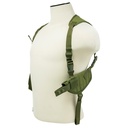
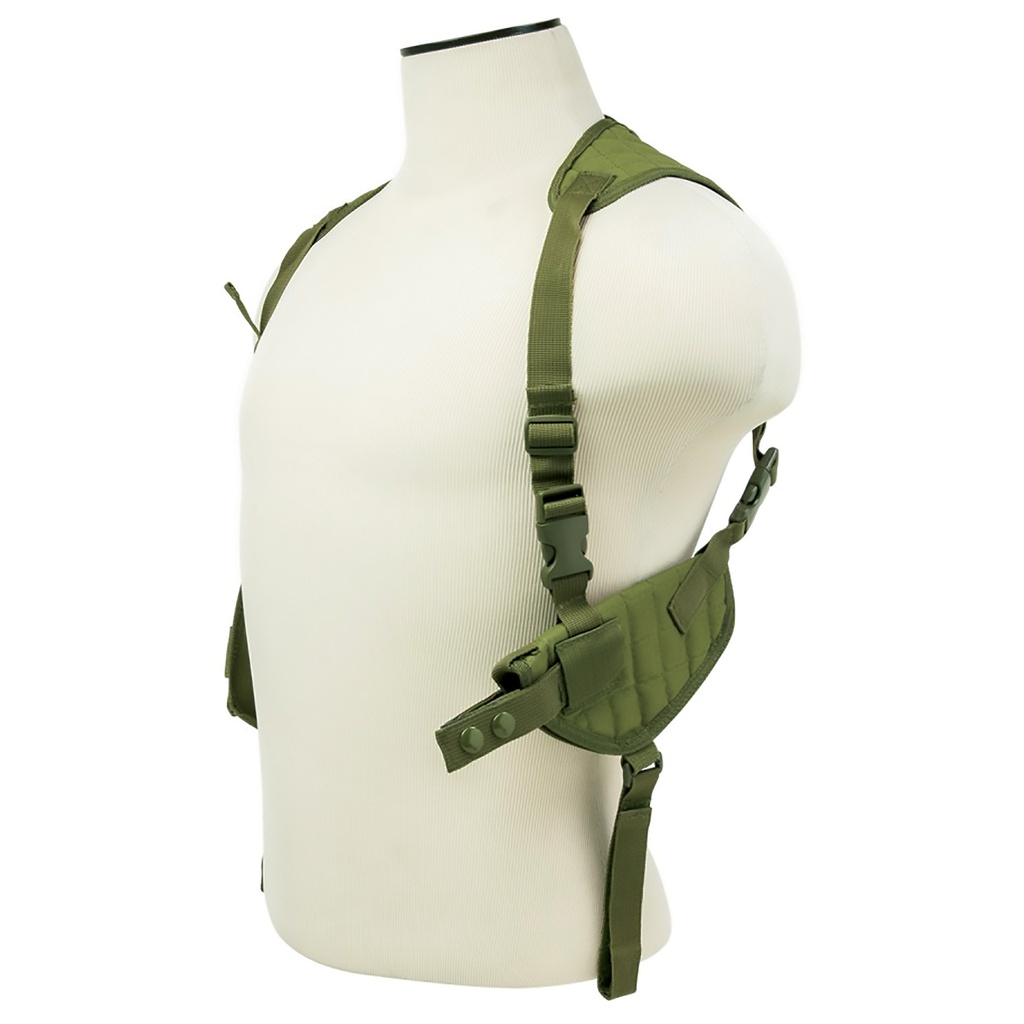

Ranger Cross-Draw Balanced Shoulder Holster Rig - OD Green
8 sold in last 24 hours
Built for people who actually carry, this ambidextrous shoulder holster keeps your sidearm horizontal and accessible while spreading weight across a four‑point elastic harness. The cross‑draw position feels natural under a jacket, and the opposite‑side double magazine pouch keeps the rig balanced. Adjust strap length, choose right‑ or left‑hand setup, and anchor the holster to your belt for a steady, repeatable draw on the range, at work, or during long shifts.
Practical Shoulder Holster for Real-World Carry
The Ranger Cross-Draw Balanced Shoulder Holster Rig - OD Green is built for people who actually carry a handgun through full workdays, range sessions, or long drives. Instead of gimmicks, it focuses on three things that matter most: a natural horizontal cross-draw, a harness that moves with you, and balanced weight from gun and magazines so the rig stays where you put it.
This is a shoulder holster for practical concealed carry and duty use, not a movie prop. It gives you stable, repeatable access to your firearm while keeping the profile slim under a jacket or overshirt.
How a Shoulder Holster Like This Actually Works
A good shoulder holster does two jobs at once: it supports the weight of your handgun off your belt line, and it positions the pistol where your hands can reach it consistently without fighting your clothing. This rig uses a four-point elastic harness that crosses your back, runs over both shoulders, and connects to the holster and double magazine pouch under each arm.
The holster itself rides horizontally in a classic cross-draw orientation. That means your firing hand reaches across your body, sweeps the retention strap, and draws the handgun straight out in line with your chest. For many users, this feels more natural than trying to clear a deep inside-the-waistband holster while seated or belted into a vehicle.
Why This Shoulder Holster Is Effective for Everyday Protection
When people look for a holster for personal protection, they often focus on the gun and ignore the support gear. In reality, the holster is what determines whether you can comfortably carry every day and access your firearm under stress. This shoulder holster is effective because it addresses the weak points that make many rigs stay in the closet:
- Comfort over time: The four-point elastic harness spreads weight over both shoulders instead of digging into one side.
- Balanced load: A double magazine pouch opposite the holster keeps the rig from sagging or twisting.
- Stable attachment: A tie-down strap lets you connect the holster to your belt to reduce swing and print.
- Real adjustability: Webbing strap adjusters let you find the right ride height for your torso, not a generic fit.
For concealed carry or duty-style use, effective personal protection starts with a carry method you will actually use. This rig is built to be worn for entire shifts, not just short errands.
Build Quality and Carry Details That Matter
Four-Point Elastic Harness for Long Shifts
The harness is where most shoulder holsters fail. Stiff, narrow straps dig into your neck and make you acutely aware of every ounce of your handgun. This rig uses a four-point elastic harness that flexes with your movement while keeping the holster anchored. The wide strap paths distribute pressure so you can carry for hours without hot spots.
Plastic hardware and D-rings keep weight low and resist corrosion. Slide adjusters let you tune the fit over light clothing or heavier outerwear without re-rigging the entire setup.
Horizontal Cross-Draw Holster with Retention
The holster body is quilt-stitched and padded to hold its shape and keep edges from digging into your ribs. A retention strap with dual snap positions lets you secure the firearm and still get a consistent draw stroke. Horizontal orientation offers a natural cross-draw motion that works especially well seated, driving, or working at a desk.
The lower tie-down strap connects the holster to your belt line, preventing the handgun from swinging away when you move or print excessively under lighter cover garments.
Double Magazine Pouch for Balance and Backup
Opposite the holster sits a double magazine pouch. That does two things: it gives you immediate access to spare ammunition, and it counterbalances the weight of the handgun. A balanced shoulder holster is more comfortable, prints less, and stays oriented correctly so both gun and magazines are exactly where your hands expect them to be.
Real-World Carry: Who This Shoulder Holster Serves Best
This shoulder holster is particularly well-suited for:
- Security and patrol work: Long shifts on your feet or in and out of vehicles where belt carry can be fatiguing or obstructed.
- Concealed carry under jackets: Cooler weather or professional environments where an open front jacket is normal.
- Driving-heavy days: Couriers, service techs, or anyone who spends hours in a vehicle where traditional strong-side belt holsters are hard to reach.
- Range training: Practicing alternative carry positions and cross-draw presentation in a controlled environment.
As with any carry method, practice is non-negotiable. Dry practice with an unloaded firearm to build a smooth draw, clean re-holstering, and consistent access to your magazines before you rely on this rig for actual self-defense.
What People Ask Before Buying a Shoulder Holster for Protection
How effective is a shoulder holster for self defense?
A shoulder holster is effective for self defense if it matches your environment and you train with it. Its biggest strengths are comfort over long periods and accessibility when seated or wearing layers. If you regularly wear an open jacket and spend time driving or working at a desk, this cross-draw rig can give you faster, more reliable access than a deep waistband holster.
The tradeoffs: shoulder rigs can be slower from completely zipped garments, and you must be disciplined about muzzle awareness during the draw. With proper training—drawing straight out, indexing the muzzle downrange quickly, and practicing re-holstering—this becomes a capable, repeatable carry option.
What should I look for in a shoulder holster harness?
For real-world protection, focus less on looks and more on support and adjustability. You want a harness that:
- Spreads weight over both shoulders, not just one strap.
- Offers enough adjustability to fit your torso height and build.
- Moves with you without letting the gun swing or flop.
- Includes an opposite-side pouch or counterweight for balance.
This rig checks those boxes with its four-point elastic harness, adjustable webbing, and double magazine pouch opposite the gun.
Is this shoulder holster legal to wear in my state?
The holster itself is generally legal to buy and own in most states. The legal questions center on how you carry your firearm, not the holster type. You need to look at:
- Concealed carry laws: Whether your state allows concealed carry and under what permit or licensing requirements.
- Open carry rules: In some locations, a shoulder holster worn openly may be treated as open carry.
- Prohibited locations: Many states restrict carry in schools, government buildings, or posted private property regardless of holster type.
Before using this shoulder holster for daily carry, check your state and local regulations and match them to your permit status. If you’re unsure, consult official state resources or a knowledgeable local instructor or attorney who focuses on firearms law.
Carrying With Competence
A holster for personal protection isn’t just a piece of nylon and straps—it’s the interface between you, your firearm, and the context you live and work in. The Ranger Cross-Draw Balanced Shoulder Holster Rig - OD Green is designed to make long-term, real-world carry more realistic by prioritizing comfort, balance, and accessible cross-draw presentation.
Set it up for your dominant side, adjust the harness to your build, anchor it to your belt, and put in the reps: dry practice first, then live fire on the range. Do that, and this shoulder holster becomes more than gear—it becomes a carry method you can rely on when it counts.