Ranger Grid Quick-Connect Tactical Duty Belt - OD Green
8 sold in last 24 hours
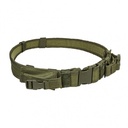
This tactical duty belt is built for people who actually run a shift, not a photoshoot. The quick-connect buckle locks in with one solid click, twin horizontal pouches stage your essentials up front, and the loop-lined interior takes hook-backed add-ons without shifting. Belt keepers tame extra webbing so your profile stays clean. Set your loadout once, build real muscle memory, and your tools will live in the same place every time—on patrol, at the range, or on a long night shift.
Ranger Grid Quick-Connect Tactical Duty Belt - OD Green
The Ranger Grid Quick-Connect Tactical Duty Belt is built for people who actually carry gear for a reason—patrol, security, range work, or long night shifts. It’s not fashion, and it’s not cosplay. This belt gives you a stable, repeatable platform so every tool you rely on lives in the same place, every time you reach for it.
OD green nylon, a quick-connect front buckle, twin horizontal pouches, belt keepers, and a loop-lined interior come together in a low-profile tactical duty belt that feels squared away the minute you snap it on.
Why a Tactical Duty Belt Matters More Than the Gadgets On It
Most people focus on the gear—flashlight, multitool, radio, or even a stun gun for self defense. The quiet truth: if your belt is sloppy, everything else runs sloppy. A good tactical duty belt:
- Keeps weight distributed so your lower back survives a full shift
- Locks gear in consistent positions for reliable muscle memory
- Prevents pouches and holsters from rolling, sagging, or twisting
- Lets you add or strip gear without rebuilding your whole setup
This belt is built exactly for that kind of organized, practical carry. Whether you mount a stun gun for personal protection, a radio, or basic medical, the belt’s job is to make those tools accessible under stress—not just look tactical in the mirror.
Build Quality: The Foundation of a Reliable Duty Setup
With any piece of tactical gear, reliability beats flash. The Ranger Grid Quick-Connect Tactical Duty Belt uses reinforced nylon webbing and matte hardware designed for hard use rather than display.
Reinforced Nylon Webbing That Holds Its Shape
The belt uses thick, stitched webbing that resists sag and twist under load. That stiffness matters when you’re carrying anything with weight—like a radio, loaded magazine pouch, or holster. A soft casual belt lets gear roll outward; a properly built duty belt keeps everything upright so your draw angles stay predictable.
Quick-Connect Buckle You Can Trust
The front buckle is a quick-connect, side-release style: easy on, easy off, but solid once locked. It’s simple enough to fasten by feel in low light, yet it resists accidental release from bumps or grabbing. In a real-world protection context, you want a buckle that won’t pop if someone grabs your belt line or if you clip a doorframe at full speed.
Carry Format: Building a Practical Personal Protection Loadout
For personal protection or professional duty, how you carry matters as much as what you carry. This tactical duty belt is built to help you run a clean, efficient loadout—whether that includes a stun gun for self defense, a flashlight, or restraint gear.
Twin Horizontal Pouches for Front-Stage Essentials
The integrated twin horizontal pouches at the front-right are ideal for items you want fast, repeatable access to: a compact flashlight, multitool, spare magazine, small medical kit, or even a compact stun gun in its sheath. Horizontal orientation keeps the profile tight to your body and reduces snagging when you move through tight spaces or vehicles.
Loop-Lined Interior for Modular Add-Ons
The inner surface is lined with soft loop material, which is the mating surface for hook-backed pouches and carriers. That means you can:
- Attach hook-backed holsters or stun gun holsters directly to the belt
- Reposition gear without unthreading everything
- Lock pouches in place so they don’t wander over a long shift
This loop lining also pairs well with an underbelt if you’re running a two-belt system: the underbelt threads through your pant loops, and the Ranger Grid belt drops on and locks into place with hook-and-loop contact.
Stability in Motion: Belt Keepers and Low-Profile Design
Loose webbing and shifting belts are more than annoying—they slow you down at exactly the wrong time. This belt includes matching belt keepers with snap closures. Once you size the belt to your waist, you secure the extra tail with the keepers and it stays put. No flapping ends, no creeping loosening halfway through a shift.
The low-profile curved shape hugs the body, which helps in vehicles, narrow hallways, or any environment where you can’t afford snag points. Matte-finished hardware avoids unwanted reflections—useful for both tactical work and simply not drawing extra attention in low light.
Integrating a Stun Gun or Other Self-Defense Tools on This Belt
If you carry a stun gun for self defense, the belt becomes the platform that makes it usable under pressure. The key factors are access, orientation, and retention:
- Access: Mount your stun gun where your hand naturally falls—typically support-side front for faster presentation.
- Orientation: Use a sheath or holster that orients the stun gun consistently, so you don’t have to think about which way to grab it.
- Retention: Hook-backed holsters mated to the belt’s loop interior keep the carrier from rotating or sliding when you draw.
This belt won’t magically make a self-defense tool effective, but it does remove one major failure point: fumbling with tangled gear when your heart rate spikes.
What People Ask Before Buying a Stun Gun for Protection
How effective are stun guns for self defense?
A stun gun for self defense can be effective in very specific conditions: close range, firm contact, and enough time on target. They are pain-compliance tools, not magic off-switches. Factors that matter include amperage (current), contact time, and how determined or impaired the other person is. A good carry system—like a stable tactical duty belt with a dedicated holster—improves your chances of actually getting the stun gun into play under stress.
Does voltage or amperage matter more in a stun gun?
Voltage gets printed on packaging because the numbers look impressive, but it’s mostly marketing. Once voltage is high enough to arc, more isn’t meaningfully better. Amperage—the amount of current actually flowing—is what drives effect, along with contact time and placement. Build quality also matters: solid switches, consistent output, and a reliable power source. When you’re evaluating a stun gun for personal protection, prioritize proven brands, real-world testing, and practical carry over any “million volt” claims.
Is this stun gun legal to carry in my state?
Stun gun laws vary by state and sometimes by city. Some places treat them like standard defensive tools, others require permits or ban them outright. Before you mount a stun gun on any tactical duty belt, check:
- Your state statutes on electronic control devices or stun guns
- Local city/county ordinances
- Any policies from your employer or agency if you’re on duty
This tactical duty belt itself is generally legal everywhere—it’s just nylon webbing and pouches. The responsibility is on you to confirm that any self-defense tool you attach, including a stun gun for self defense, complies with your local law.
Carrying With Confidence: Turning Gear Into a System
Good protection isn’t about owning the most gear; it’s about building a simple, reliable system you can run under stress. The Ranger Grid Quick-Connect Tactical Duty Belt is a quiet but critical part of that system. It stabilizes your loadout, keeps your tools indexed where your hands expect them, and helps you move without fighting your own equipment.
Set it up once. Decide where your light, medical, and any self-defense tools belong. Do a few dry runs—standing, seated, in and out of a vehicle. Adjust until your hands find what they need without looking. After that, the belt fades into the background. It’s just there, doing its job, every time you clip it on.
If you’re serious about personal protection or professional duty work, that kind of quiet reliability is worth more than any flashy spec sheet. This belt gives you a solid foundation so the rest of your gear—and your training—can actually work when it counts.