Ranger Grid Mission-Organized First Responder Bag - OD Green
13 sold in last 24 hours
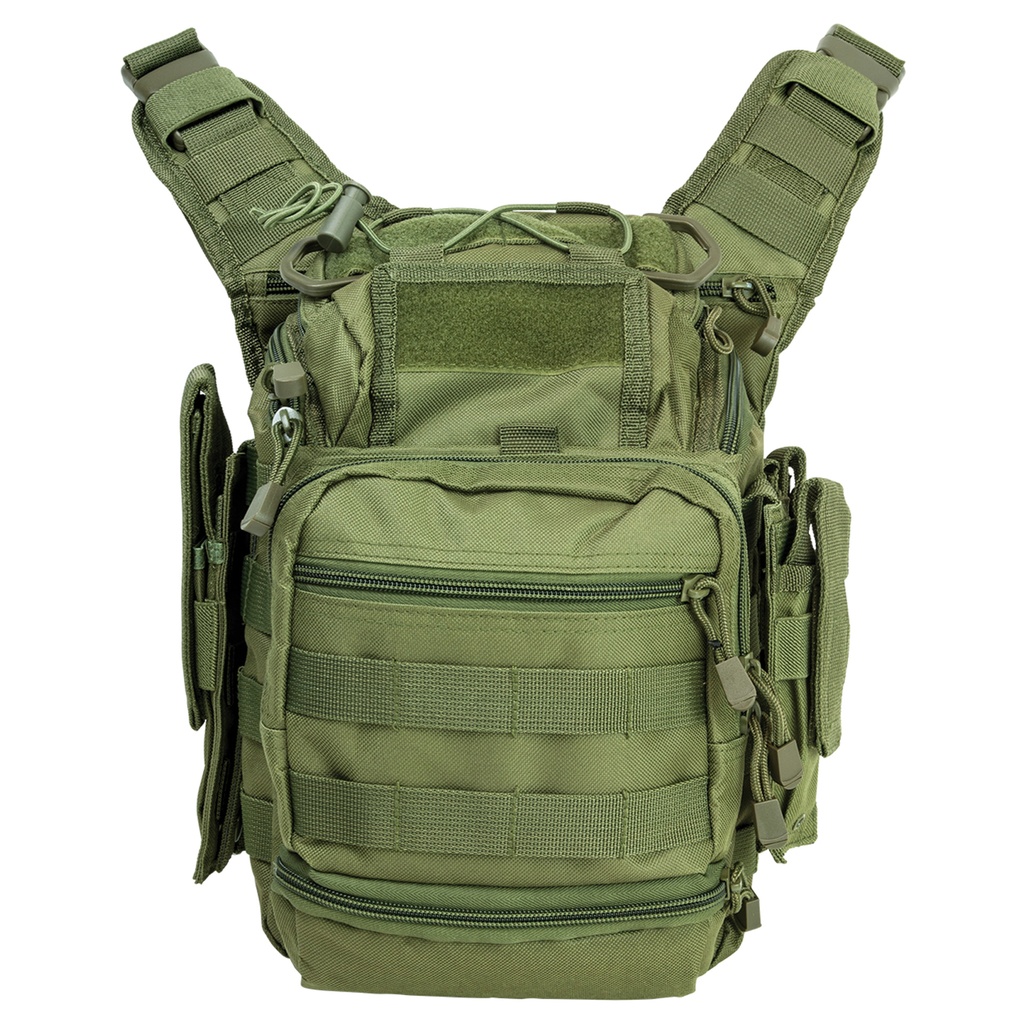
This first responder bag is built for the moment things go sideways and seconds start to matter. The Ranger Grid Mission-Organized First Responder Bag uses a sling-style harness, full PALS webbing, and purpose-built pockets to keep medical, range, or duty essentials mapped and reachable. OD green keeps it low-profile while the discreet rear compartment gives you space for sensitive carry items. It’s not about looking tactical—it’s about knowing exactly where your next piece of gear is before you need it.
Ranger Grid First Responder Bag: Built for Order Under Pressure
The Ranger Grid Mission-Organized First Responder Bag is for people who actually work under stress: medics, range officers, security, prepared civilians. It’s a compact first responder sling pack designed to keep critical gear organized, accessible, and secure when your hands and attention are already overloaded.
This isn’t a fashion backpack. Every strap, pouch, and web loop has a job: put the tool you need in the one place you’ll be able to reach without thinking. OD green keeps it low-profile and professional; the internal layout turns chaos into a repeatable system.
How This First Responder Bag Works When Seconds Count
The core idea is simple: everything has a dedicated home, and that home is predictable under stress. The single cross-body sling rides high and stable, so you can swing the bag from back to chest and work straight from it without setting it down. That matters on a range line, at a roadside scene, or in a crowded venue where space and footing are both compromised.
Multiple zip compartments break your loadout into logical zones: immediate-access items up front, bulkier gear in the main body, and sensitive or discreet items behind. Side pouches carry radios, tourniquets, or magazines where your support hand naturally falls. You’re not rummaging; you’re following a map you built yourself.
Why This Sling-Style First Responder Bag Is Reliable Under Real Use
For a first responder bag to earn a place in daily duty or range rotation, it has to survive abrasion, overstuffing, and repeated on/off cycles without hardware failure. This design leans into that reality with heavy-duty woven nylon-like fabric, reinforced stitching at stress points, and hardware chosen for repetition, not looks.
Rugged Fabric and Reinforced Attachment Points
The body uses a textured tactical fabric that resists tearing and fraying around edges, zipper tracks, and strap anchor points. PALS webbing is bar-tack stitched so it won’t peel or sag when you add pouches or route gear externally. That matters if you’re clipping on a radio, shears, or an IFAK pouch and expect it to stay put.
Zippers, Buckles, and Pulls Built for Gloved Hands
Large zipper pulls with matching OD green tabs give you positive grip in cold, wet, or gloved conditions. Side-release buckles on the harness and side pouches allow quick adjustment or doffing without fine motor gymnastics. When your hands are slick, shaking, or gloved, oversized hardware is not a luxury—it’s a usability requirement.
Organized Carry for Medical, Range, or Duty Essentials
The strength of this first responder bag is its layout. It’s compact enough to stay out of your way, but intentionally broken into compartments so your gear is sorted by function, not crammed into one big cavity.
Compartment Layout That Mirrors Real-World Tasks
The main compartment handles bulk: compact trauma kits, gloves, tape, eye pro, or admin binders. Smaller front pockets are ideal for tools you need first or often—pens, notepads, light, multitool, bandages, markers. Side pouches with flap-and-buckle closures are sized for radios, tourniquets, small water bottles, or rifle/pistol mags depending on your mission profile.
On top, elastic shock cord lets you secure a windbreaker, shemagh, or compressed rain shell without wasting interior space. That keeps weather gear or loose soft items immediately available but under control.
Discreet Rear Pocket for Sensitive Carry Items
Behind the main body is a discreet pocket designed for flat, sensitive, or CCW-adjacent items. That could be documentation, a slim trauma kit, or a concealed defensive tool where allowed by law and policy. It rides close to the body, away from casual access, and doesn’t broadcast its contents from the outside.
First Responder Bag Carry: From Range Days to Night Shift
How a first responder backpack rides on your body is as important as how it looks on the table. The Ranger Grid’s sling configuration is meant for people who are in and out of vehicles, narrow hallways, crowded aisles, or tight outdoor spaces.
The yoke-style shoulder harness distributes weight across both shoulders at the top, then routes to a single cross-body strap. That gives you the stability of a two-strap pack with the fast access of a sling: loosen, swing to the front, access gear, swing back, and tighten—no re-shouldering dance required.
What People Ask Before Buying a First Responder Bag for Duty or Range Use
Can this first responder bag really handle daily carry?
Yes, if you respect its mission profile. This is a compact first responder sling bag meant to be worn often and accessed frequently. The fabric, stitching, and hardware are built for regular use, including range days, shift work, or kept staged as a dedicated medical or go-bag in your vehicle. It’s not a giant rucksack—you’re trading volume for speed and organization—but within that size, it’s absolutely suited to daily or weekly duty.
How should I set this bag up for emergencies?
Think in layers. Put your most time-critical items (tourniquet, gloves, primary light, shears) in the easiest-to-reach front or side zones. Reserve the main compartment for items you’ll need after initial stabilization: dressings, pressure bandages, documentation, spare batteries, snacks, or admin gear. Use the top shock cord for soft, bulky items that won’t be damaged by compression. Keep sensitive items or any CCW-related contents in the rear pocket where access is deliberate, not casual. The goal is that someone could hand you the bag blind and you’d still know exactly where everything lives.
Is this first responder bag only for professionals?
No. It’s clearly inspired by professional first responder and tactical carry, but any prepared civilian, range shooter, or event organizer can get full value from it. The PALS webbing and compartment layout make it suitable as a compact medical bag, range bag, vehicle emergency kit, or duty-adjacent sling for security staff who need to stay low-profile. The key is to load it with a clear purpose—medical, range, or mixed—so the organization serves you instead of turning into a catch-all.
Practical Setup Tips: Turning This into Your First Responder System
To get the most out of the Ranger Grid Mission-Organized First Responder Bag, treat it like a system, not just a container. Lay out the gear you actually use or plan to use, then assign each category a specific pocket or PALS zone. Label internal organizers if needed. Once loaded, put the bag on, swing it to the front, and do a few dry runs: can you reach your primary light, tourniquet, or radio without looking? If not, shuffle until you can.
Once your layout feels intuitive, leave it alone. Consistency is what turns a simple first responder bag into real capability under pressure. This design gives you the structure; your setup and practice give it purpose.