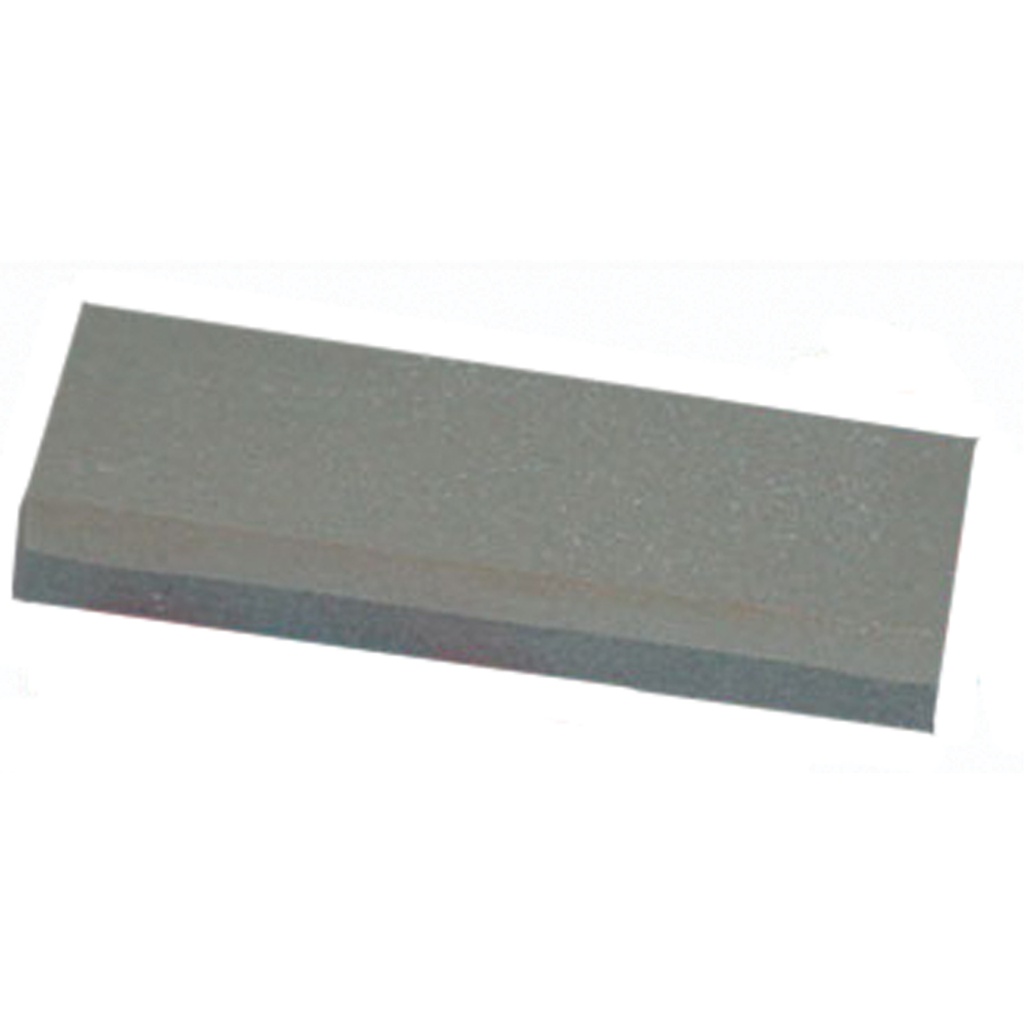
Edge Logic Dual-Stage Sharpening Stone - Two-Tone Gray
5 sold in last 24 hours
This dual grit sharpening stone is built for people who want sharp knives without fuss. The two-tone gray faces mark your progression: shape on the coarse side, refine on the fine, and stop when the edge cleanly bites. Use with water or light oil at the bench, in the truck, or at camp. The flat, stable block gives you predictable results across kitchen, work, or field blades, so edge maintenance becomes a simple, repeatable habit instead of a chore.
What This Dual Grit Sharpening Stone Actually Does
The Razor Revival Dual Grit Sharpening Stone - Two-Tone Gray is a straightforward tool designed to turn dull, dragging blades back into clean cutters. No gimmicks, no moving parts, just a stable rectangular whetstone that lets you shape an edge on the coarse side and then refine it on the fine side. If you want knives that slice cleanly instead of tearing, this stone gives you a simple, repeatable path to get there.
How a Dual Grit Sharpening Stone Works
This is a synthetic dual grit whetstone: two different abrasive surfaces bonded into one solid block. The lighter gray face is one grit, the darker gray face is the other. You add a thin film of water or light oil, then draw the knife along the stone at a consistent angle. The abrasive particles do the work—removing steel, flattening nicks, and forming a new edge.
You start on the coarser side to quickly reset a tired or chipped blade. That grit cuts faster, so you do the heavy shaping there. Once the edge feels even from heel to tip, you flip the stone and move to the finer face. That side doesn’t remove as much metal; it smooths the scratch pattern and refines the apex so the edge feels sharper and cuts more cleanly.
Why This Whetstone Is Reliable for Everyday Edge Maintenance
What makes a sharpening stone worth using isn’t a fancy brand name—it’s flatness, grit pairing, and predictability. This dual grit sharpening stone is a simple rectangular block with square edges and a broad working face, which matters more than most people realize. A flat stone gives you a straight, consistent edge. The two-tone layers give you a clear visual cue for coarse versus fine, so you don’t waste time wondering which side to use.
The matte, slightly rough texture of both faces gives good feedback. As you work, you can feel and hear the steel contact the stone—a subtle rasp at first that softens as the edge cleans up. That sensory feedback is what lets beginners improve quickly: you’re not guessing, you’re learning what a proper pass feels like.
Build Quality: Flat, Stable, and Easy to Read
The rectangular form and straight sides make this stone easy to park on a bench, cutting board, or truck tailgate. The thickness provides enough mass that it doesn’t feel fragile or tippy in use. With two contrasting gray tones, you can instantly tell which side you last used and where you are in your progression. That alone reduces sharpening mistakes, especially when you’re working multiple knives in a row.
Use With Water or Light Oil, At the Bench or in the Field
This whetstone doesn’t lock you into a specific setup. You can use water for quick, clean sharpening in the kitchen or shop, or light oil if you prefer a slower, more controlled cut and less loading in dusty environments. The compact rectangular block rides easily in a toolbox, range bag, or camp kit, so you’re not limited to sharpening only at home. A couple of minutes on this stone in the field is usually enough to bring a working edge back to life.
Real-World Effectiveness: Keeping Working Knives Sharp
A sharpening stone is only effective if you actually use it. This dual grit sharpening stone lowers the barrier to doing quick, regular touch-ups. The coarse side handles the abuse blades take in the kitchen, workshop, or outdoors—from hitting bone to scraping on plastic or wood. The fine side brings the edge back to controlled slicing for food prep, cord, cardboard, or general utility tasks.
Because both faces are flat and unobstructed, you can sharpen everything from small folding knives to larger fixed blades. Lay the blade down at your chosen angle, make steady, even strokes, and let the stone do its job. Over a short learning curve, you develop a repeatable process that keeps your knives cutting instead of sawing.
Simple, Repeatable Sharpening Process
A practical way to use this stone:
- Soak briefly in water or apply a thin film of light oil.
- Start on the coarse (chosen) side with light, consistent strokes.
- Work both sides of the blade evenly until you feel a small burr along the edge.
- Flip to the fine side and repeat with slightly lighter pressure, removing the burr and polishing the apex.
- Finish with a few alternating strokes per side, then wipe the blade clean.
This routine takes only a few minutes once you get used to it and keeps your knives in that sweet spot between dull and over-polished.
What People Ask Before Buying a Sharpening Stone
How coarse and fine should my sharpening stone be?
Most users don’t need to know exact grit numbers to get results. A paired coarse and fine stone like this covers the two essential steps: shaping and refining. The coarse face is for repairing and resetting tired edges; the fine face is for everyday touch-ups and bringing back clean slicing performance. If you’re not doing high-end polishing or mirror finishes, this one stone is usually enough.
Can I use this sharpening stone for both kitchen and outdoor knives?
Yes. The flat, two-sided design works for chef’s knives, paring knives, pocket knives, and most fixed blades. For longer kitchen knives, use longer strokes and work the edge in sections if needed. For thicker outdoor or work knives, the coarse side will handle reprofiling, while the fine side gives you a durable, working sharpness that won’t chip as easily as an ultra-thin edge.
Do I have to use oil, or will water work?
You can use either water or light oil with this dual grit whetstone. Water is cleaner, faster to set up, and great in the kitchen or shop. Light oil slows the cutting slightly but can keep the pores from loading as quickly in dirty or dusty environments. The important thing is to use some kind of fluid to float away metal particles and keep the stone cutting evenly.
Sharpening With Confidence: Practical Takeaways
This dual grit sharpening stone is built around one idea: make edge maintenance simple enough that you actually do it. The two-tone design tells you which side is which at a glance. The flat, stable form factor works on almost any flat surface. The ability to use water or oil means you’re not stuck waiting for the “perfect” setup.
With a little practice, you’ll know exactly which side to start on, how much pressure to use, and when to switch to the fine face. That turns sharpening from a mysterious skill into a basic shop habit—and it keeps your knives ready for the real work you bought them for.