Shadow Reach Telescopic Defense Baton - Black Steel
15 sold in last 24 hours
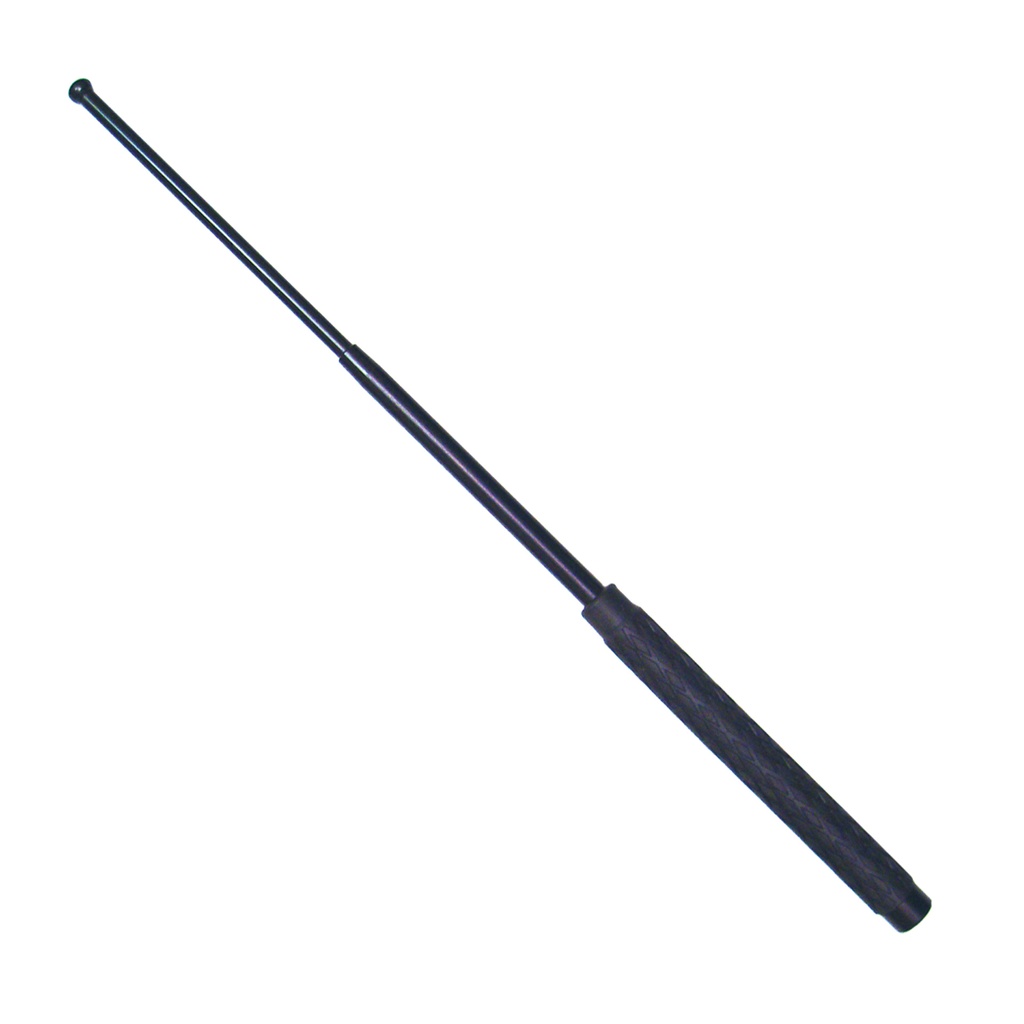
This expandable baton is built for practical self-defense when distance matters. The Shadow Reach Telescopic Defense Baton extends to 26 inches of black steel, giving you real reach and leverage without bulk. A molded rubber grip locks into your hand, while the telescopic design rides low-profile on your belt in the included nylon sheath. Snap it open for instant control, then collapse it and stow it clean. For night-shift workers and security-minded carriers, this is discreet, mechanical reliability you can actually count on.
Shadow Reach Telescopic Defense Baton – Practical Distance for Personal Protection
The Shadow Reach Telescopic Defense Baton is a simple idea done well: 26 inches of black steel reach that rides compact on your belt until you need it. No batteries, no electronics, no marketing voltage claims—just a mechanical self-defense tool that gives you space, leverage, and control when someone steps too close. If you’re looking for honest personal protection gear without hype, this baton is built for you.
Why an Expandable Baton Belongs in a Self-Defense Plan
A good baton fills a specific role in personal protection: it creates distance and control. Against a larger or more aggressive person, reach matters. A 26-inch expandable baton lets you manage space, intercept grabs, and make it harder for someone to put hands on you. For security professionals, night-shift workers, and anyone moving through parking lots, corridors, or entryways after dark, that extra distance can be the difference between a scramble and a controlled disengagement.
Unlike a stun gun for self defense, a baton doesn’t rely on electrical contact or amperage. It relies on physics: leverage, structure, and targeted impact. This baton is about keeping a problem further away from your body, not winning a strength contest at arm’s length.
How This Telescopic Baton Actually Works Under Stress
The mechanism is straightforward. This is a telescopic steel baton: collapsed, it’s a compact, belt-carried tube; extended, it locks out to a full 26 inches for maximum reach. To deploy, you draw it from the sheath and snap it open with a firm, downward motion. The internal friction-lock design uses momentum to extend and hold the segments in place, so there are no buttons to fumble or electronics to fail.
To close it, you drive the tip straight down onto a firm, stable surface to collapse the sections back into the handle. It’s a purely mechanical tool—if you can move your arm, you can deploy it. In bad weather, low light, or after your hands are shaking from adrenaline, simple mechanics are your friend.
26-Inch Reach: Why Length Matters for Self-Defense
At full extension, this baton gives you roughly two extra feet of usable distance over empty hands. That matters in real encounters. It lets you keep someone outside of easy grabbing range, intercept a reaching arm, or create a barrier between you and an advancing threat. Shorter impact tools require you to be almost chest-to-chest; a 26-inch baton lets you defend while still moving and looking for exit options.
Friction-Lock Reliability: No Batteries, No Guesswork
Because this baton is friction-locked, it doesn’t depend on tiny springs or delicate mechanisms. When you snap it open fully, the sections wedge into place. That simplicity is what makes it reliable. There’s no need to check charge levels or test-fire like you would with a stun gun for self defense—if the steel is intact and the segments slide freely, it’s ready.
Build Quality That Holds Up to Real-World Carry
Real personal protection tools spend most of their lives being carried, not used. That’s where build quality shows up first: on the belt, in and out of vehicles, brushing against seatbelts, jacket hems, and door frames.
The Shadow Reach Telescopic Defense Baton is built around a black steel shaft and a molded rubber grip. The steel gives the baton structure and impact transfer; the black finish keeps reflections down and maintains a discreet profile. The textured rubber handle is there for one reason: when your hands are sweaty, cold, or moving fast, it needs to stay put.
Textured Rubber Grip for Confident Handling
A baton you can’t hold onto is useless. The molded, textured rubber handle gives you friction without tearing up your hands. It’s designed for a secure, full-hand grip—important if you’re redirecting grabs or making short, sharp movements in close. Whether you’re in gloves or bare-handed, the grip keeps the baton anchored so your strikes and blocks go where you intend.
Nylon Sheath for Low-Profile Belt Carry
The included nylon sheath lets you carry the baton on your belt, where it’s accessible but not screaming for attention. Nylon is light, flexible, and forgiving when you’re sitting, driving, or moving through tight spaces. For someone who needs a self-defense tool on them for an entire shift, comfort and concealment matter; a baton that rides comfortably is a baton that actually gets carried instead of left in a drawer.
Expandable Baton vs. Stun Gun for Self Defense
Many buyers compare an expandable baton to a stun gun for self defense. They serve different roles:
- Distance: A baton gives you reach; a stun gun requires direct contact with a specific part of the body.
- Power source: A baton relies on mechanics; a stun gun relies on electricity, current, and battery charge.
- Targeting: A baton can block, redirect, and strike limbs; a stun gun must make and maintain contact to be effective.
There’s no universal “best stun gun for personal protection” or single best baton. The right choice depends on your environment, training, and legal restrictions. Many professionals pair an impact tool like this baton with another option—such as a flashlight or chemical spray—to cover multiple distances and scenarios. The key is understanding what each tool actually does.
Carrying and Using This Baton Responsibly
Any self-defense tool, including an expandable baton, comes with responsibility. That starts with legality: some regions treat batons like other impact weapons, restricting carry outside of security or law-enforcement roles. Before you clip this onto your belt, check your state and local laws, and if you travel, understand that rules change across city and state lines.
Next is training. Even basic instruction in baton use—target selection, defensive positioning, and how to create space rather than chase conflict—will massively improve your effectiveness and reduce the risk of unnecessary injury. Like a stun gun for self defense, a baton is not a magic wand; it’s a tool that works best in trained hands and with a clear, defensive mindset.
What People Ask Before Buying a Stun Gun for Protection
How effective are stun guns for self defense?
Stun guns can be effective in self defense, but only under specific conditions. They require you to get close enough to make solid contact and often to maintain that contact for a second or more. What actually disrupts an attacker is not the headline voltage number, but the current (amperage), contact time, and where you apply it on the body. Clothing, movement, and adrenaline can all reduce real-world effect. Many self-defense professionals see stun guns as a supplemental tool, not a stand-alone solution—useful when combined with distance tools, awareness, and escape planning.
Does voltage or amperage matter more in a stun gun?
Amperage matters more for real effectiveness. Voltage mostly helps the electrical arc jump a small gap or crackle across clothing; it’s often pushed into ridiculous marketing territory with “million volt” labels that don’t reflect meaningful performance. The current (measured in amps or milliamps) is what actually affects muscles and nerves when a stun gun makes contact. A well-built stun gun for self defense focuses on safe but effective amperage, consistent output, contact quality, and battery reliability—not just a big voltage claim on the package.
Is this stun gun legal to carry in my state?
Stun gun and baton laws vary widely by state and sometimes by city. Some places treat stun guns like other electronic control devices with age or permit requirements; others restrict civilian carry altogether. Batons can be more restricted than stun guns in certain jurisdictions, especially if they’re classified as impact weapons. The only safe approach is to check current state statutes and local ordinances, not just general opinions online. If you work in security or a similar role, your employer may also have specific policies on what self-defense tools you can carry.
Walking Away Better Prepared
The Shadow Reach Telescopic Defense Baton is about practical control: simple mechanics, solid reach, and low-profile carry. You now know what this baton does well—create distance, redirect contact, and give you leverage—and how it differs from a stun gun for self defense, which depends on amperage, contact time, and power management.
Carried legally, trained with realistically, and paired with awareness, this 26-inch black steel baton is not a promise of safety, but a serious tool in capable hands. If your goal is calm, informed readiness rather than gear-driven bravado, this baton fits that mindset: discreet on the belt, decisive when it has to be in your hand.