Shadow Reach TripleStun Protection Baton - Black Metal
8 sold in last 24 hours
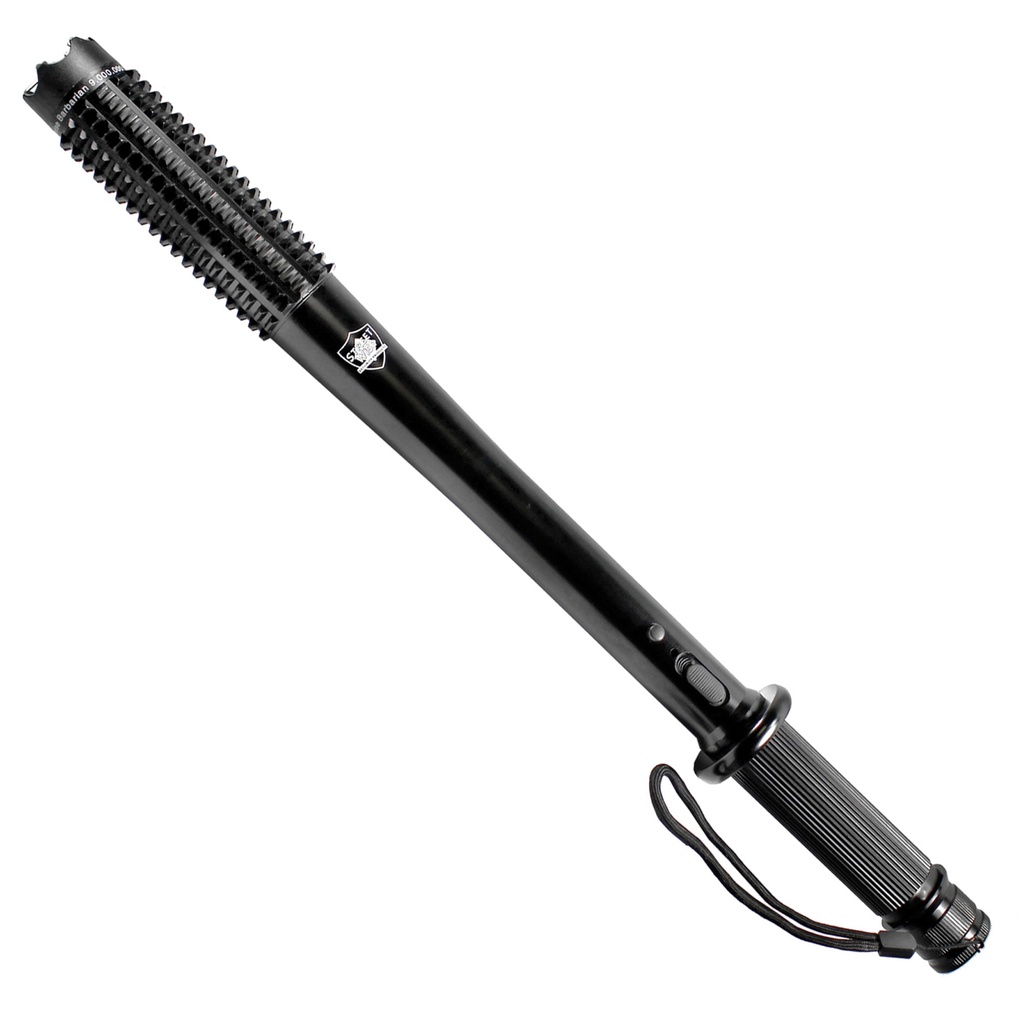
This stun gun for self defense is built around one idea: controlled distance. The Shadow Reach TripleStun Protection Baton combines a long, baton-style body, a spiked shock crown, and a 3-watt CREE flashlight into one practical tool. TripleStun contact points and solid metal construction focus on real factors that matter—current delivery, contact area, and grip—not inflated voltage claims. A rechargeable power core, metal clip, and wrist strap keep it ready to carry so you can move, direct the light, and make space when you need it most.
What This Stun Gun Baton Actually Does for Your Protection
This stun gun for self defense is designed to give you something most compact models can’t: reach, control, and clear decision-making under stress. The Shadow Reach TripleStun Protection Baton uses a long, baton-style body, a spiked shock crown, and a 3-watt CREE flashlight to help you create space, direct someone back, and, if necessary, deliver a focused electrical shock at close range.
Instead of chasing “million volt” marketing numbers, this stun gun focuses on what actually matters: effective current, solid contact points, and a grip that stays in your hand when adrenaline is high. The result is a practical self-defense tool that works with how people really move and react, not how packaging tries to scare them.
How Stun Guns Work in Real Self Defense, Not Just on Paper
To understand whether a stun gun is effective for self defense, you need to know how it actually affects the body. A stun gun doesn’t knock people across the room; that’s movie physics. What it does, when it’s built correctly and used with intent, is deliver an electrical current through the skin and into the muscles, causing pain, muscular disruption, and hesitation.
There are three real variables that matter more than the voltage number on the box:
- Amperage (current): This is the real workhorse. Safe-for-civilian stun guns use low amperage, but within that range, higher current and good circuit design increase effectiveness.
- Contact time: A quick “tap” might startle. A 1–3 second contact on a soft target (thigh, hip, side, shoulder) is where you see meaningful disruption.
- Contact area and pressure: Wide, well-placed probes and firm pressure penetrate clothing better than tiny, misaligned points.
The TripleStun system on this baton places multiple contact points around a spiked shock crown. That increases the likelihood that, when you drive the head into a target area, at least some of those points make solid, current-carrying contact—even through light clothing.
Why This Stun Gun Baton Is Built for Practical Personal Protection
As a self-defense tool, this stun gun’s biggest advantage is its baton format. Most people instinctively extend the object in their hand between themselves and a threat. This design leans into that natural reaction: the long body and aggressive, spiked crown create visible deterrence before you ever activate the stun function.
In a real confrontation, that progression matters. First, you control distance with the baton shape and your stance. Second, the bright flashlight can disorient and identify. Third, if someone closes the gap and you have no retreat, you drive the spiked crown into a large muscle group and apply the stun—no tiny contact surface or awkward angle to hunt for.
TripleStun Crown and Contact Area
The spiked shock crown isn’t just for looks. Those evenly spaced spikes and TripleStun contact points do three things:
- Increase surface area for current transfer
- Help bite through light clothing with pressure
- Add an impact-focused profile for gross-motor striking if needed
In plain terms, it gives the stun gun more forgiveness in a chaotic, moving encounter where perfect placement is unlikely.
Build Quality, Grip, and Reliability
The baton body is metal with a ribbed, non-slip handle section. That matters more than most buyers realize. Under stress, hands sweat, grip strength changes, and fine motor skills get worse. A smooth tube is easy to lose; a textured, ribbed grip helps the stun gun stay anchored in your hand while you move or redirect.
The gloss black finish and shield emblem give it a professional, security-gear feel, but the important part is mechanical: reliable switches, a solid head assembly, and a rechargeable power source that keeps output consistent over time instead of dropping off like cheap disposable units.
Stun Gun for Self Defense: Carry, Access, and Real-World Use
A stun gun for self defense is only useful if you can get to it quickly and consistently. This baton includes both a metal clip and a wrist strap for flexible carry options:
- Metal clip: Ride it on the edge of a bag, inside a backpack panel, or on a belt. The long profile is easier to grab than a tiny device buried in a pocket.
- Wrist strap: Use it when walking at night or moving through parking structures. If someone grabs your arm or the baton, you’re less likely to lose it instantly.
Because it doubles as a 3-watt CREE flashlight with three modes, it’s reasonable to carry it in your hand without feeling like you’re "brandishing" a weapon. The light gives you a legitimate reason to have it out and ready: navigating dark areas, checking around your vehicle, or illuminating a sidewalk.
Flashlight Modes and Control Under Stress
The integrated flashlight uses a 3-watt CREE LED with three modes—typically high, low, and strobe. From a practical self-defense standpoint:
- High mode: For clear identification and navigation.
- Low mode: For close work without blinding reflection.
- Strobe: To disrupt vision and depth perception at close range.
The controls are positioned near the grip, with a side-mounted switch and an additional button for intuitive use. You don’t want complex sequences when you’re adrenalized; you want simple, repeatable motions you can practice.
Voltage vs. Amperage: Cutting Through the Stun Gun Hype
You’ll see "9,000,000-class" or similar voltage language attached to stun guns like this one. Here’s the honest breakdown: extremely high voltage numbers are mostly marketing. Voltage is the pressure that helps current jump the gap between probes and through clothing. Once you have enough voltage to arc reliably, adding more doesn’t make the device magically more effective.
Within safe civilian ranges, amperage—the amount of current that actually flows—combined with contact time and placement is what affects how disruptive the stun is. This baton’s value comes from:
- Consistent current from a rechargeable power source
- TripleStun contact layout at the crown
- A form factor that makes it easier to maintain contact for 1–3 seconds if you have to
When you ignore voltage hype and evaluate it that way, it stands out as a practical, thoughtfully designed self-defense tool instead of a numbers game.
What People Ask Before Buying a Stun Gun for Protection
How effective are stun guns for self defense?
Used realistically, a stun gun for self defense is a disruption tool, not a magic off switch. Its strengths are pain, hesitation, and creating an opportunity to escape. On a sober, motivated attacker, you should not expect an instant collapse. What you can reasonably expect from a well-built baton like this is:
- A loud, visible arc that can act as a deterrent before contact
- Sharp pain and muscular reaction at the contact point
- A window—often a second or two—where their focus breaks and you move, run, or transition to another option
It works best when combined with awareness, distance management, and a clear escape plan, not as your only line of defense.
Does voltage or amperage matter more in a stun gun?
Amperage matters more. Once a stun gun has enough voltage to arc through air gaps and light clothing, adding “millions” of extra volts is mostly marketing theater. What actually affects effectiveness is:
- Amperage and circuit quality (how much usable current flows)
- How long you maintain firm contact
- Where you apply it (large muscle groups beat bony areas)
- Whether the device is well-built and fully charged
This baton is designed around contact area, solid grip, and rechargeable power—all choices that actually support better current delivery and practical protection.
Is this stun gun legal to carry in my state?
Stun gun laws in the United States are state- and sometimes city-specific, and they do change. Some states treat stun guns and stun batons as standard self-defense tools with few restrictions; others require permits, limit where you can carry them, or restrict sales entirely in certain jurisdictions.
Before you carry this stun baton, check three things:
- State law: Search your state’s statutes for “stun gun” or “electronic control device.”
- Local ordinances: Some cities and counties add their own rules on top.
- Carry locations: Even where legal, courts, schools, and some workplaces forbid all weapons.
If you’re unsure, speak with a local attorney or law enforcement agency for up-to-date guidance. Responsibility is part of effective self defense.
Carrying This Stun Gun Baton with Confidence
A good stun gun for self defense should leave you feeling prepared, not paranoid. This baton-format model does that by combining reach, a serious-looking spiked crown, a practical flashlight, and a realistic electrical output into one tool you can actually carry.
Practice drawing it from wherever you clip or stash it. Get used to turning the light on, changing modes, and activating the stun function without looking. The more those motions live in your muscle memory, the more this becomes what it’s meant to be: a practical, controlled self-defense option that supports your awareness and decisiveness instead of replacing them.
With honest expectations and a bit of practice, the Shadow Reach TripleStun Protection Baton becomes more than a gadget—it becomes a deliberate part of how you manage your own safety.