Shadowline Dual-Mode Concealed Carry Holster - Black Leather
13 sold in last 24 hours
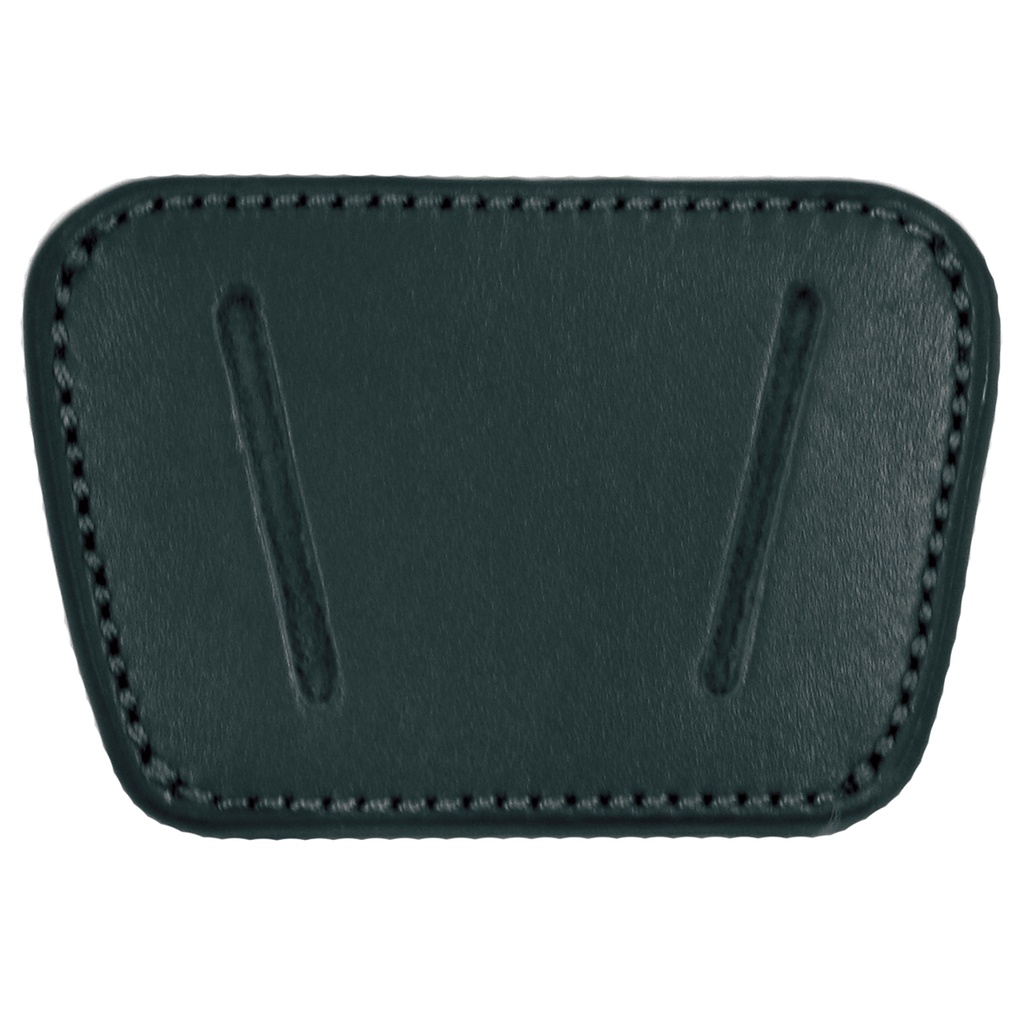
A concealed carry holster should stay out of sight and out of mind until you need it. The Shadowline Dual-Mode Concealed Carry Holster rides IWB or OWB, with ambidextrous belt slots and a removable clip that fits up to 1.75-inch belts. The flat black leather panel minimizes printing while a soft contact surface stays comfortable against the body. Built for small to medium frame pistols—from .22 and .380 up to compact 9mm—it delivers quiet, reliable everyday carry without adding bulk or drama.
Shadowline Dual-Mode Holster: Concealed Carry That Actually Disappears
The Shadowline Dual-Mode Concealed Carry Holster - Black Leather is built for people who treat concealed carry like part of their daily routine, not a costume. It’s a low-profile leather holster panel designed to ride inside or outside the waistband, stay comfortable all day, and keep your firearm accessible without advertising that you’re carrying.
There’s no flashy branding, no molded bulk, and no gimmicks—just a flat, ambidextrous leather holster that works quietly with small to medium frame pistols from .22 and .380 through compact 9mm.
How This Concealed Carry Holster Works in Real Life
This isn’t a one-gun, one-position setup. The Shadowline holster is a minimalist leather panel that gives you options. Two angled belt slots and a removable metal clip let you configure it as:
- IWB concealed carry using the clip for a deep, low-print setup inside the waistband
- OWB concealed carry by threading your belt through the slots for a stable, close-to-body ride
- Ambidextrous carry—strong side, appendix, or cross-draw for right- or left-handed users
The holster uses passive retention: the leather and friction hold the pistol in place. There are no snaps to fumble or active locks to defeat—just a smooth, consistent draw once you establish your grip.
Build Quality That Supports Everyday Concealed Carry
With concealed carry gear, small design decisions matter. The Shadowline holster is cut from genuine black leather with a flat, slightly tapered rectangular profile. That shape does two important things: it spreads pressure over a wider area for comfort, and it breaks up the outline of the firearm to reduce printing under a shirt.
Durable Leather and Stitching Where It Counts
The perimeter is double-stitched in matching dark thread, reinforcing the edges and belt slots where most holsters fail over time. The smooth leather face allows clothing to drape naturally, and the softer body-side surface reduces hot spots during long wear.
The belt slots are cut to accept up to 1.75-inch belts, giving you compatibility with most everyday carry and duty-style belts. Angled slots help pull the grip in toward the body, which is a big part of why this holster prints less than bulkier, molded options.
Ambidextrous, Dual-Mode Carry Without Extra Bulk
Many holsters force you into a single carry side or position. Shadowline’s panel design is truly ambidextrous—flip it, rotate it slightly, and you can set it up for right- or left-handed carry without needing a separate model. The removable clip lets you switch between IWB and OWB in minutes, which is useful if your clothing, environment, or role changes day to day.
Concealed Carry Effectiveness: Comfort, Access, and Control
A holster for personal protection is only effective if you actually wear it. That means three things matter more than marketing buzzwords: comfort, concealment, and a clean, repeatable draw. The Shadowline was built around those priorities.
- Comfort: flat leather panel, rounded corners, and a soft contact surface reduce pressure points.
- Concealment: the low-print design, slim build, and all-black leather help the holster vanish under everyday clothing.
- Draw: passive retention and a stable belt interface give you predictable resistance and a consistent draw stroke.
For small to medium frame pistols—from .22 and .380 up to compact 9mm—this holster offers a practical balance: enough coverage to keep the gun stable and protected, without adding unnecessary thickness that makes concealment harder.
Carry Format and Setup for Real-World Use
How you configure this holster matters as much as the holster itself. A few practical guidelines for everyday concealed carry:
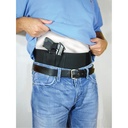
- IWB (Inside the Waistband): use the clip with a sturdy belt; position around 3–4 o’clock for strong-side carry or near 1–2 o’clock for appendix, depending on comfort and draw preference.
- OWB (Outside the Waistband): thread your belt through both slots; a cover garment like an untucked shirt, light jacket, or hoodie completes the concealment.
- Ambidextrous Setup: simply flip orientation for right- or left-handed carry—no special hardware required.
Whichever method you choose, commit to one primary position and practice your draw (unloaded firearm, safe environment) until it’s smooth and consistent. A low-profile holster like this supports that kind of repetition without digging into your side or dragging on clothing.
What People Ask Before Buying a Stun Gun for Protection
How effective are stun guns for self defense?
A stun gun for self defense can be effective in very specific conditions: close range, solid contact on the body, and enough contact time for the current to disrupt muscle control and pain response. The key factors are amperage (current), contact area, and how long you keep it pressed—not the “million volt” marketing claim on the package.
Used properly, a quality stun gun can create a window to break contact and escape. It is not a magic force field, and it does not reliably “drop” someone on instant touch. Think of it as a close-quarters tool that supports your escape plan, not a guarantee.
Does voltage or amperage matter more in a stun gun?
Voltage gets the headlines, but amperage is what actually does the work. Voltage is the pressure that pushes electricity through a gap; amperage is the flow of that electricity through the body. Very high voltage with extremely low amperage makes a lot of noise and a bright arc, but doesn’t necessarily deliver meaningful effect.
For a stun gun for self defense, you want controlled but sufficient current (amperage), a well-designed contact area, and a reliable power source. That’s why serious protection buyers and instructors look past “10 million volts” labels and pay more attention to build quality, battery performance, and real-world testing.
Is this stun gun legal to carry in my state?
Stun gun legality in the United States is handled mostly at the state and local level. Many states allow stun guns for personal protection with few restrictions; others may require you to be over a certain age, prohibit carry in specific locations (schools, government buildings), or require a permit similar to firearms licensing. A small number of cities and states have tighter regulations or additional conditions.
Before you carry any stun gun for self defense, check your current state and local laws from official sources or a qualified attorney. Laws change, and what’s allowed in one jurisdiction may be restricted in the next. Treat legal verification as part of your protection plan, just like choosing a holster or practicing your draw.
Putting It Together: Calm, Informed Everyday Carry
Whether you’re choosing a holster like the Shadowline for concealed firearm carry or evaluating the best stun gun for personal protection, the principle is the same: skip the hype, understand how your tool really works, and set it up so you’ll actually carry it.
The Shadowline Dual-Mode Concealed Carry Holster - Black Leather supports that mindset. It’s slim, adaptable, and built for daily wear—no drama, no decoration, just practical, low-profile function. Pair that with honest expectations about your defensive tools, consistent practice, and an awareness-first approach, and you’ve got a far more realistic protection plan than any “million volt” marketing promise can offer.