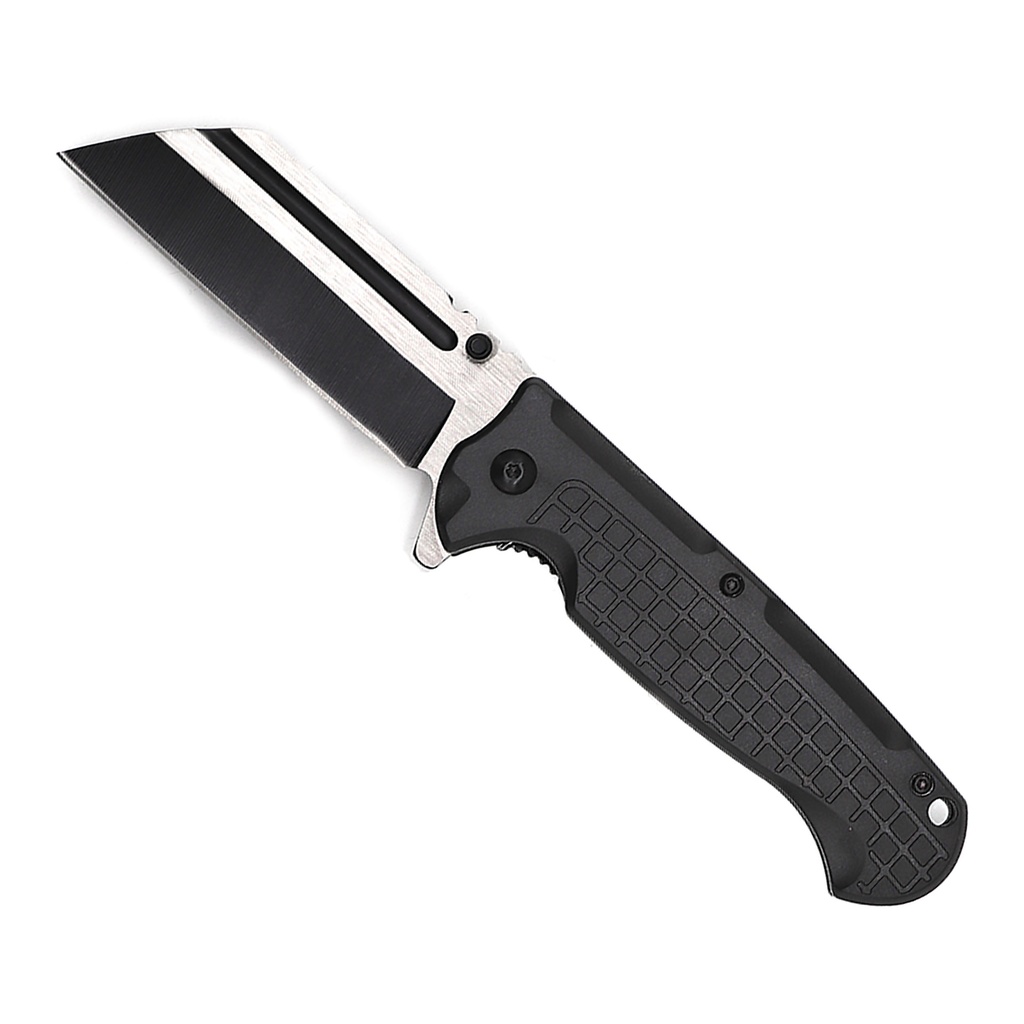
Shadowline Rapid-Deploy EDC Knife - Matte Black
3 sold in last 24 hours
A stun gun for self defense shouldn’t be about hype—it should be about control, access, and reliability. This isn’t a toy and it’s not sold on “million volt” marketing. It’s built around real-world use: effective current, solid contact, and a form factor you can actually carry every day. The difference is simple: smart amperage, dependable power delivery, and controls you can run under stress. For buyers who research their own protection, this is a calm, capable tool—not a scare tactic in a package.
What This Stun Gun for Self Defense Actually Does
This stun gun for self defense is designed for one job: create a hard interruption in someone’s ability to keep doing what they’re doing, long enough for you to break contact and get to safety. It doesn’t promise movie-style knockouts, and it’s not sold on inflated “million volt” numbers. Instead, it focuses on what actually matters in a stun gun for personal protection: effective current (amperage), good contact, and a form you can carry and deploy under stress.
If you want a practical stun gun for self defense you can understand and trust, you start by ignoring the voltage headline and looking at build quality, power delivery, and how it rides on your body or in your bag. That’s where this model quietly earns its place as one of the best stun guns for personal protection in its class.
How Do Stun Guns Work in Real Self-Defense?
To use a stun gun for self defense effectively, you need a clear picture of what it actually does to the body. A contact stun gun delivers a high-voltage, low-amperage electrical pulse through two or more metal contact points. Voltage is what helps the current jump across clothing and skin; amperage is what determines how much effect that current has on muscles and nerves.
With a proper hit and enough contact time, a stun gun disrupts normal muscle function in the immediate area. In practice, that usually means:
- Short touch (less than 1 second): Startle, pain, flinch response. Good for breaking a grab and creating space.
- Moderate contact (1–3 seconds): Strong pain, muscle contraction, loss of balance or coordination in that area.
- Longer contact (3+ seconds): Possible temporary loss of muscle control, person dropping to the ground, mental confusion.
The key is realistic expectations: a stun gun for self defense is a pain-and-disruption tool at contact distance, not a magic ranged weapon. You need to be close enough to touch the person with the contact probes, drive the stun gun into a solid target area (hip, thigh, shoulder, torso side), and hold for as long as you can safely manage before disengaging and leaving.
Why Amperage Matters More Than Voltage in a Stun Gun
Most stun gun packaging screams about “millions of volts.” That sells boxes, but it doesn’t tell you how effective a stun gun for self defense will actually be. The uncomfortable truth is this: within reason, voltage is mostly about marketing and penetration through clothing; amperage is where the real effect lives.
Here’s the practical breakdown a real self-defense instructor would give you:
- Voltage: Needs to be high enough to arc through clothes and across the gap between contacts. Once you’re over a few tens of thousands of volts, more doesn’t automatically equal more effect.
- Amperage: Even a fraction of an amp, delivered correctly, is enough to create intense pain and muscle disruption. That’s what you actually feel.
- Contact area and time: Wide, solid contact and a few seconds of continuous delivery matter more than any printed voltage claim.
This stun gun is built around reliable, repeatable current delivery and sturdy contacts, not just an impressive voltage label. That honest engineering focus is what makes it a serious option among the best stun guns for personal protection, especially for people who are tired of being sold numbers instead of performance.
Build Quality: What Makes This Stun Gun Reliable for Protection
When you choose a stun gun for self defense, you’re betting on it to work during the worst thirty seconds of your year. Reliability is not optional. This model is designed with that in mind:
Durable Housing and Contact Points
The outer shell is impact-resistant, built to live in a purse, pack, glovebox, or duty belt without cracking if it gets bumped or dropped. The contact probes are solidly anchored so they don’t wobble or flex under pressure, which is crucial when you’re driving the stun gun into an attacker’s body to get full effect.
Consistent Power and Battery Management
Instead of chasing peak “burst” voltage for marketing, this stun gun is tuned for consistent output over its battery life. That means you don’t get one impressive demo spark and then a slow fade. It’s designed to hold a practical charge for extended carry, with simple, repeatable charging so you can build a habit around keeping it ready.
Carry Format: A Stun Gun You Can Actually Have on You
The best stun gun to carry is the one you can reach when you need it. That means the protection tool has to fit your daily life, not just a product photo.
Everyday-Carry Friendly Form Factor
This stun gun is sized and shaped for real-world self defense carry: large enough for a secure grip under stress, compact enough to ride in a pocket, bag, or dedicated holster without constantly getting left at home. The controls are positioned so you can index them by feel, which matters when your adrenaline spikes and fine motor skills drop.
Safety You Can Trust, Speed You Can Use
A good stun gun for self defense needs two things at once: it must not go off accidentally in a bag or pocket, and it must be fast to bring into play. This unit balances that with a clear, tactile safety mechanism. You can lock it for storage or transport, then bring it live with a simple, practiced motion as you draw. That balance of prevention and quick access is a real protection feature, not just a checkbox.
Using This Specific Stun Gun for Personal Protection
Effectiveness isn’t just in the hardware; it’s in how you use it. This stun gun for self defense is laid out so you can build simple, repeatable habits:
- Draw and index: Carry it in a consistent spot. Practice getting a full grip and finding the activation control without looking.
- Threat display: In some situations, a brief visible and audible arc can be enough to derail someone’s intent. Don’t rely on this, but know it’s a real psychological effect.
- Drive and hold: If you must use it, close distance, drive the contacts into a solid body target, and hold for at least a second or two while moving to escape.
- Disengage and leave: The stun gun’s job is to buy you a window. Your job is to use that window to get out, not stay and “win.”
Used this way, this model stands out as one of the best stun guns for personal protection in its price range: honest power delivery, solid construction, and a layout that matches how self-defense instructors actually teach contact tools.
What People Ask Before Buying a Stun Gun for Protection
How effective are stun guns for self defense?
A stun gun for self defense is effective when you understand its role: close-range, contact-based pain and muscle disruption. Against an uncommitted or opportunistic attacker, a solid drive stun with good contact time can end the encounter quickly—either by causing them to break off or by creating enough dysfunction for you to escape. Against a highly motivated, intoxicated, or mentally altered person, the effect can be reduced. That’s why most professionals see stun guns as one useful tool among others (awareness, movement, verbal skills, and sometimes additional defensive options), not a magic answer.
Does voltage or amperage matter more in a stun gun?
Amperage matters more. Voltage gets the current from the stun gun’s contacts through clothing and across the skin. Once you’re above a baseline, increasing voltage mostly makes for better marketing, not dramatically better real-world results. Amperage—the amount of current flowing—is what actually drives pain and muscular disruption. In a practical stun gun for self defense, you want adequate voltage plus well-controlled amperage, solid contact points, and enough battery capacity to keep that performance consistent over time.
Is this stun gun legal to carry in my state?
Stun gun laws vary by state and sometimes by city. Many states allow stun guns for personal protection with few restrictions, while others require age limits, permits, or ban them in specific locations (schools, government buildings, etc.). A smaller number of jurisdictions impose tighter controls or outright bans. Before you carry, check current regulations for your state and locality—state statutes, attorney general guidance, or reputable legal summaries. Laws change, and you’re responsible for staying current. When in doubt, verify with an up-to-date legal resource or qualified local authority.
Walking Away Better Prepared
Choosing a stun gun for self defense isn’t about picking the box with the biggest voltage number. It’s about understanding how the tool really works—amperage, contact time, build quality, and carry format—and matching that to your life. This model is built for exactly that kind of buyer: someone who wants practical personal protection, not fear-based marketing.
By focusing on reliable current delivery, solid construction, and an everyday-carry-friendly form factor, it quietly does the real work a stun gun for personal protection is supposed to do. If you decide to carry it, commit to learning your local laws, practicing your draw and activation, and thinking of it as one piece of a broader safety mindset. That calm, informed approach is the real upgrade in your self-defense plan—and this stun gun is designed to fit right into it.
| Blade Length (inches) | 3.75 |
| Overall Length (inches) | 8.375 |
| Closed Length (inches) | 4.75 |
| Weight (oz.) | 4.69 |
| Blade Color | Black |
| Blade Finish | Matte |
| Blade Style | Tanto |
| Blade Edge | Plain |
| Blade Material | Steel |
| Handle Finish | Matte |
| Handle Material | ABS |
| Theme | None |
| Safety | Liner Lock |
| Pocket Clip | Yes |
| Deployment Method | Flipper tab |
| Lock Type | Liner lock |