Signal Cross Stormproof First Aid System - Red Dry Sack
11 sold in last 24 hours
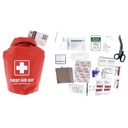
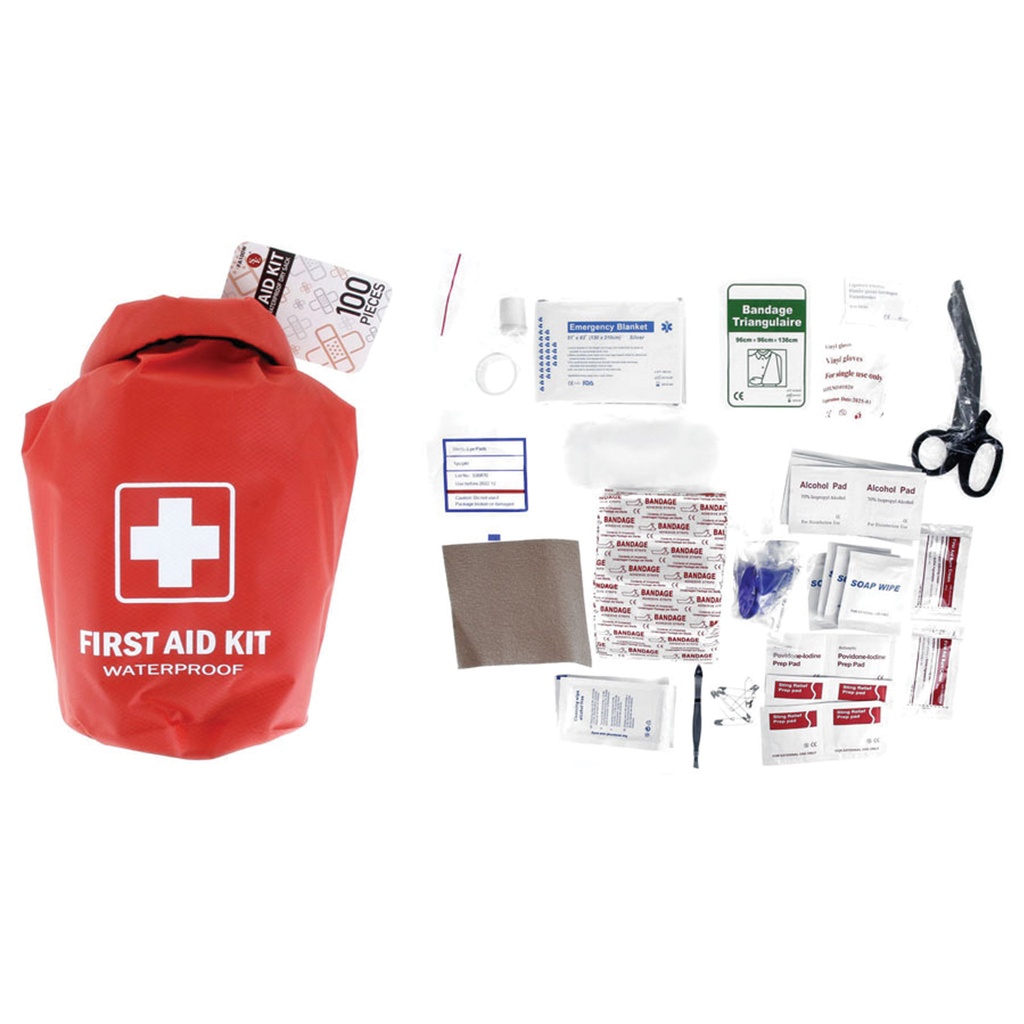
This waterproof first aid kit is built for real storms, not just sunny-day scrapes. Packed in a high-visibility red dry sack, it keeps 100 pieces of medical gear bone-dry and organized: tourniquet, EMT shears, CPR mask, tweezers, bandages, gauze, and an emergency blanket. The roll-top bag tucks into a pack, boat locker, or vehicle, then stands out instantly when you need it. Instead of rummaging through a soggy box, you get a calm, clear layout that turns stress into step-by-step care.
Stormproof First Aid That Actually Works When It’s Wet
The Signal Cross Stormproof First Aid System - Red Dry Sack is built for the moment everything else is soaked and chaotic. Instead of a flimsy plastic box that cracks, leaks, and buries what you need under what you don’t, this waterproof first aid kit keeps 100 pieces of medical gear dry, visible, and easy to deploy when conditions are at their worst.
This isn’t a stunt gadget or a showpiece for Instagram gear layouts. It’s a compact, stormproof first aid kit designed for real-world emergencies: rain-slick trail injuries, roadside accidents in bad weather, or a slip on a wet dock when you’re miles from the nearest clinic.
How This Stormproof First Aid Kit Is Built to Survive Weather
Most people discover the limits of their first aid gear at the exact moment they can’t afford failure. Cardboard boxes and thin plastic cases split, leak, and quietly soak your bandages long before you open them. This waterproof first aid kit starts with a proven outdoor solution: a roll-top dry sack.
Roll-Top Red Dry Sack: Waterproof by Design
The high-visibility red dry sack uses a roll-top closure that’s standard in serious outdoor gear. Roll the top down, clip it closed, and you have a sealed barrier against rain, splashes, and boat spray. It’s far more reliable long-term than a simple zipper or snap lid because it doesn’t depend on a tiny gasket or brittle plastic latch.
The red color and white medical cross are intentional: if you say, “Grab the red bag with the cross,” anyone on scene can find it fast. In an emergency, seconds lost searching can feel like minutes.
Organized Compartments for Clear Thinking Under Stress
Inside, this first aid kit is broken down into clearly separated components: bandages and gauze, tools, cleaning wipes, and emergency items. You’re not rummaging through a chaotic pile; you’re moving logically from cleaning a wound, to controlling bleeding, to dressing and stabilizing the injury.
What’s Inside: Real Tools, Not Just Bandages
A lot of first aid kits pad the piece count with endless tiny bandages and very few useful tools. This kit balances quantity with capability. The result is a waterproof first aid kit that can handle both everyday scrapes and more serious injuries until help arrives.
Bleeding Control and Stabilization
- Tourniquet: For serious limb bleeding when direct pressure isn’t enough. It’s not a replacement for training, but having one in the kit gives you options you simply don’t have with bandages alone.
- Elastic wrap and triangular bandage: For securing dressings, supporting sprains, or improvising a sling.
- Gauze pads and rolls: For wound packing and layered dressings where simple adhesive bandages won’t cut it.
Tools for Real-World First Aid
- EMT-style shears: Cut clothing, tape, or bandages quickly without hunting for household scissors that may not be there.
- Tweezers and safety pins: For splinters, ticks, and securing wraps or bandages when adhesive alone isn’t enough.
- CPR mask: Gives you a cleaner, safer way to provide rescue breaths if you’re trained and choose to step in.
Cleaning, Protection, and Comfort
- Alcohol and povidone-iodine pads: For cleaning the skin around minor cuts and scrapes.
- Assorted adhesive bandages: Enough variety and quantity for the everyday cuts that happen constantly outdoors or on the road.
- Emergency blanket: For shock management and warmth, especially when someone is wet, cold, or lying on bare ground.
- Gloves: To protect both you and the person you’re helping when bodily fluids are involved.
Why a Waterproof First Aid Kit Beats a Standard Box
A standard first aid kit might survive a dry, climate-controlled office. Take it into the real world—boats, campsites, truck beds, or damp cabins—and you quickly find its limits. This waterproof first aid kit is built with those harsher environments in mind.
The roll-top design keeps moisture out, but it also does one more critical thing: it contains everything in a single flexible bag that rides comfortably in places a hard case doesn’t. It slips into a backpack side pocket, tucks under a vehicle seat, or compresses into a boat locker without cracking, rattling, or popping open.
Carry Reality: Where This Kit Belongs
The best first aid kit is the one you’ll actually carry—and can actually reach. This stormproof first aid kit is compact enough to live in:
- Vehicle center consoles or under-seat storage: For roadside injuries, minor accidents, or helping someone else while waiting for EMS.
- Daypacks and hiking bags: For blisters, cuts, or a bad fall far from pavement.
- Boat lockers and dry storage: Where water is almost guaranteed to be part of the equation.
- Home grab-and-go location: Hall closet, mudroom hook, or garage shelf—somewhere every family member can find quickly.
The high-visibility red bag isn’t an aesthetic choice; it’s a functional one. When stress spikes and fine motor skills degrade, you don’t want to be decoding labels. You want a bright, obvious target you can point anyone toward.
What People Ask Before Buying a Stun Gun for Protection
How effective are stun guns for self defense?
Stun guns for self defense are contact tools: they require you to be at arm’s length and maintain contact on the attacker’s body for at least a second or two. Their effectiveness depends far more on amperage, contact time, and where you place the probes than on exaggerated voltage numbers. In practice, a properly designed stun gun can disrupt muscle control and create a pain response that lets you break contact and escape—but it’s not a magic “off switch.” Good self-defense planning treats a stun gun as one tool in a larger personal protection strategy that includes awareness, avoidance, and escape routes.
Does voltage or amperage matter more in a stun gun?
Voltage gets the headlines, but amperage does the work. Very high voltage sounds impressive in marketing, yet you only need enough voltage to arc through clothing and skin. Once that threshold is met, it’s the current (amperage), the contact area, and the duration of contact that determine how much the stun gun actually affects the target’s muscles and nervous system. Quality stun guns for personal protection focus on safe-but-effective current output, solid electrode design, and reliable power delivery, not arbitrary “million volt” claims that don’t translate cleanly into real-world stopping power.
Is this stun gun legal to carry in my state?
Stun gun legality in the United States is handled mostly at the state and local level. Many states allow stun guns for self defense, but some regulate where you can carry them (schools, government buildings), who can own them (age restrictions, prior convictions), or require permits in certain jurisdictions. Before you buy or carry any stun gun for personal protection, check your state statutes and, if you live in a major city, your local ordinances as well. When in doubt, look for your state’s official legislative site or attorney general guidance rather than relying on hearsay.
Why This Stormproof First Aid Kit Belongs in Your Protection Plan
Personal protection isn’t only about stopping threats. It’s also about what happens after something goes wrong—whether that’s a fall, a collision, or an injury caused while escaping a dangerous situation. This waterproof first aid kit fits into that broader protection mindset: you’re not just trying to avoid harm, you’re prepared to manage it.
The Signal Cross Stormproof First Aid System - Red Dry Sack gives you three things that matter when the pressure is on: dry, usable gear; clear, organized access; and a compact form you can realistically keep nearby. Instead of hoping the environment cooperates with a flimsy case, you’re carrying a kit that assumes rain, mud, and spray are part of the deal.
If your life already includes night drives, weekend trails, boats, or any setting where help might be delayed, this isn’t overkill—it’s basic competence. You don’t have to be a medic. You just need gear that works, stays dry, and lets you do the next right thing while you wait for higher-level care.
Pack it once, store it somewhere obvious, and tell the people around you, “If something happens, grab the red waterproof first aid kit.” That simple sentence turns a bag of supplies into an actual plan.