Signal Ridge Sawback Survival Blade - Orange Rubber
15 sold in last 24 hours
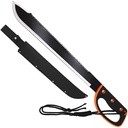
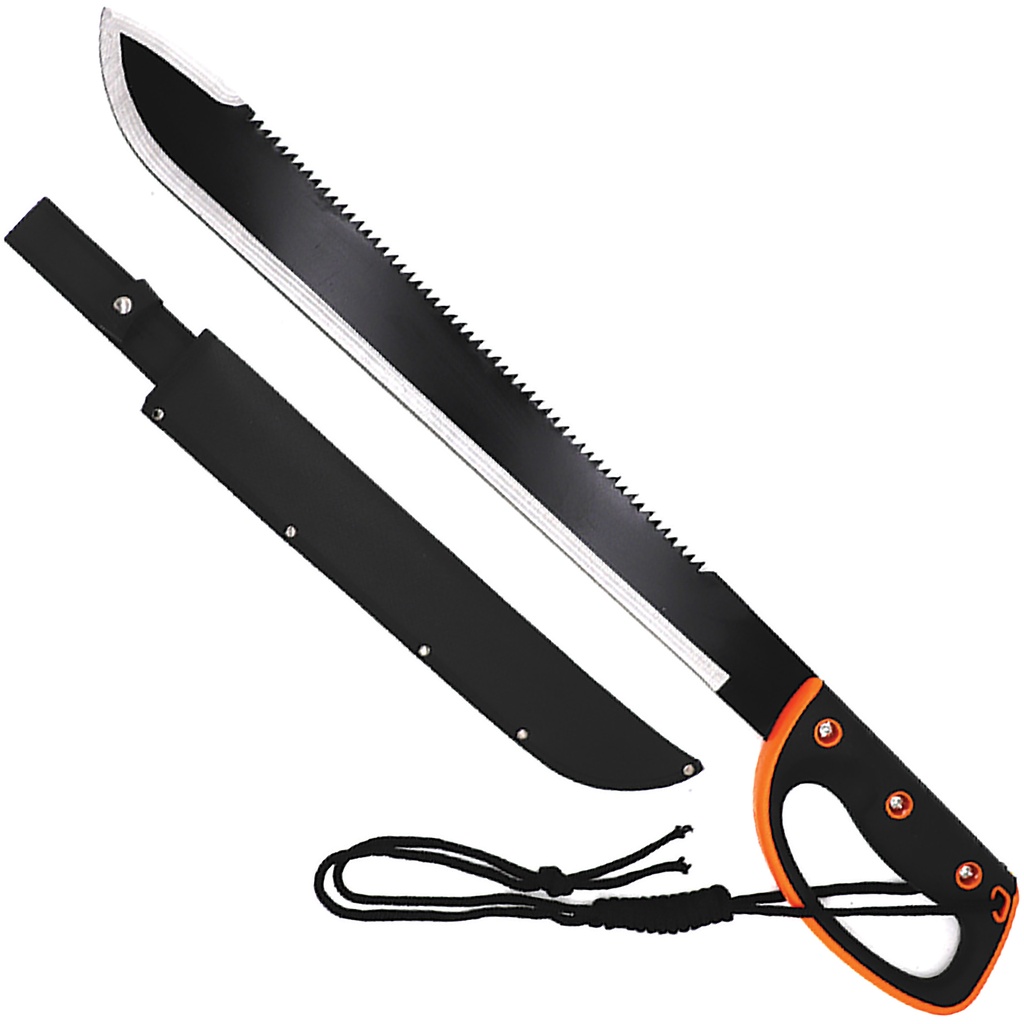
Signal Ridge Sawback Survival Blade - Orange Rubber keeps working when light drops and weather turns. The full-tang steel blade drives strength from tip to pommel, with a matte black clip-point edge for slicing and a sawback spine for notching and branch work. A high‑vis orange rubber handle locks into your palm and won’t vanish in brush, while the included sheath rides on your belt or pack. Built as a practical survival knife, this is the tool you grab when you actually have to get home.
A Survival Knife Built to Be Found When It Matters
The Signal Ridge Sawback Survival Blade - Orange Rubber is a fixed blade survival knife designed for real field use, not just photos on a gear shelf. Everything about it is practical: a full-tang steel blade for strength, a high‑visibility rubber handle so it doesn’t disappear in the brush, and a sheath that keeps it where your hand expects it. In bad light or bad weather, you want a survival knife you can find fast and trust even faster.
Why This Survival Knife Works in the Real World
This isn’t a wall-hanger. It’s a full-size survival knife meant for camping, bushcraft, and emergency preparedness. The long, matte black clip-point blade provides reach and control for slicing, food prep, and basic camp tasks. Serrations near the handle help chew through rope, straps, or fibrous material, while the sawback spine gives you the option to notch, trim small branches, or make quick cuts in softer wood when a folding saw isn’t handy.
Because the blade is fixed and full tang, there’s no pivot to loosen or lock to fail. The steel runs all the way from the tip to the lanyard hole, giving you the rigidity you need for prying, batoning through small logs, or other hard-use survival knife chores where a folding knife would be a liability.
Blade Design: Cutting, Sawing, and Control
The Signal Ridge survival knife is built around a long, clip-point blade with a matte black finish. The clip point gives you a finer tip for more precise cuts, while the forward swedge helps the tip penetrate with less resistance if you’re starting a cut in tough material.
Serrated Edge and Sawback Spine
The edge combines a plain cutting section with serrations. The plain edge handles most slicing tasks: food, cord, tarp, and general camp work. The serrations near the handle excel at cutting rope, webbing, and other fibrous materials where a straight edge can struggle once it dulls. Up top, the aggressive sawback spine is useful for quick notches, trimming small branches, and scraping or rough shaping wood when you don’t want to dig out a dedicated saw.
Matte Finish for Low-Glare Use
The matte black blade finish reduces reflection, which is practical in both tactical and hunting contexts. You avoid flashing bright steel in low light, and the finish helps the survival knife resist visible scuffs from normal use. It’s designed to be a working blade, not a mirror.
Handle, Grip, and Carry: Survival Knife You Can Actually Hang Onto
A survival knife is only as good as your grip on it. This one leans hard into security and visibility. The bright orange rubber handle doesn’t vanish if you set it down on the ground, in leaf litter, or on the tailgate at dusk. In an emergency or fast-moving situation, being able to spot your tool immediately is a quiet but serious advantage.
High-Visibility Rubber Handle with Guard
The rubber handle has a matte texture and contouring that helps it lock into a wet or gloved hand. A full hand guard and enclosed finger loop prevent your hand from sliding forward onto the blade during hard thrusts or heavy cuts. That guard also gives you a more indexed, repeatable grip in the dark—you feel exactly where your hand is on the survival knife without needing to look.
Lanyard and Sheath Carry Options
A lanyard hole with cord gives you extra retention options: loop it around your wrist while working over water, on a steep slope, or in brush where dropping your survival knife would be more than an inconvenience. The included black synthetic sheath rides on a belt or pack strap, with rivets that add structure and potential tie-down points. The goal is simple: the survival knife stays put until you need it, then draws predictably every time.
Durability and Construction: Full-Tang Survival Confidence
The full-tang construction means the steel core runs from the blade tip through the handle to the pommel. Compared to partial tang or hidden tang designs, this gives you better strength for twisting, batoning, or prying tasks common in survival and camp work. The handle scales and rubber overmold are there for comfort and grip, but the backbone is continuous steel.
That solid construction pairs with the sawback and serrations to position this as a survival knife you can rely on for multiple roles: cutting kindling, shaping stakes, processing cordage, and handling general camp chores when you don’t want to baby your gear. It’s built to be used and scuffed, not coddled.
How to Get the Most from This Survival Knife
To treat this as your primary survival knife, set it up like real users do. Mount the sheath on your belt or pack at a height where your hand naturally falls. Practice a smooth, safe draw and re-sheathing a few times before taking it into the field—especially with gloves on.
In camp, use the plain edge for food and finer work so it stays keen. Reserve the serrations for rope, straps, and tough, dirty cuts where they shine. Use the sawback spine for quick wood work: notches for tarp lines, feathering small pieces for fire-starting, or cutting shallow grooves when you need fast, functional results more than pretty finish work.
When you’re done, dry the survival knife, wipe the blade, and return it to the sheath. The high‑vis orange handle will make it obvious if you’ve forgotten to put it away.
What People Ask Before Buying a Survival Knife
How strong is a full-tang survival knife like this?
A full-tang survival knife is significantly stronger than most folding knives because there’s no hinge or lock to fail. The Signal Ridge Sawback Survival Blade has steel running the full length of the handle, which lets it handle batoning through smaller logs, light prying, and other survival chores that can be risky with a folder. It’s still a knife, not a crowbar, but it gives you a solid margin for real outdoor use.
Is a sawback spine actually useful on a survival knife?
On this survival knife, the sawback is a practical secondary tool. It’s not a replacement for a full-size saw, but it’s helpful for cutting small branches, making notches for traps or shelter building, and rough shaping in camp. Think of it as an emergency and convenience feature—handy when you don’t want to unpack more gear, and good to have if this ends up being the only tool you’ve got.
Is this survival knife good for camping and general preparedness?
Yes. The combination of a full-tang fixed blade, serrations, sawback spine, and high‑visibility handle makes it well-suited as a primary camping or emergency survival knife. It covers daily camp tasks, emergency cutting, and basic wood work, while the bright orange handle and sheath carry keep it where you can find and access it quickly. For a go-bag, truck kit, or belt-mounted camp knife, it’s a practical, no-drama choice.
Ready to Carry: A Survival Knife That Matches How You Actually Live
The Signal Ridge Sawback Survival Blade - Orange Rubber is built for people who want their survival knife to be visible, reliable, and straightforward to use. No ornate finishes, no fragile construction—just a full-tang fixed blade with a sawback, serrations, and a handle you can see at a glance. If your idea of preparedness is calm, practical, and tested in the real world, this survival knife fits right into that mindset.
| Blade Color | Black |
| Blade Finish | Matte |
| Blade Style | Clip Point |
| Blade Edge | Serrated |
| Blade Material | Steel |
| Handle Finish | Matte |
| Handle Material | Rubber |
| Theme | None |
| Tang Type | Full Tang |
| Carry Method | Sheath Carry |
| Sheath/Holster | Sheath |