Shadow Response Quick-Access First Responder Pack - Midnight Black
3 sold in last 24 hours
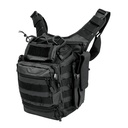
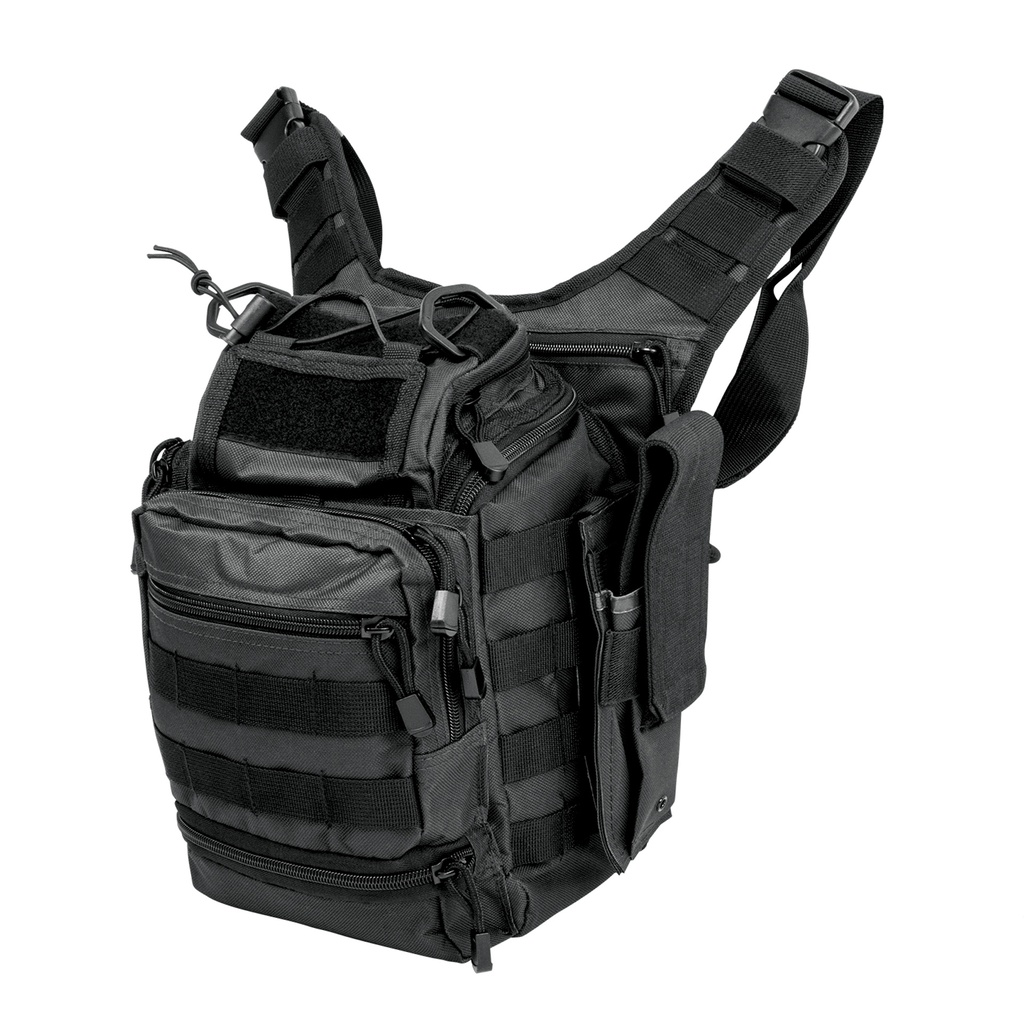
Built for the moment when digging for gear isn’t an option, this first responder bag keeps essentials exactly where your hands expect them. Seven organized compartments, rifle and pistol mag pouches, and a concealed carry pocket ride on a single crossbody strap for stable, quick access. The heavy-duty PVC shell shrugs off bad weather, while breathable mesh keeps it comfortable on long shifts or range days. MOLLE/PALS webbing and hook-and-loop panels let you expand, label, and customize your kit without adding bulk.
Stealth Medic First Responder Bag: Built for Calm in the Worst Minute of the Day
This isn’t a fashion backpack. The Stealth Medic Quick-Access First Responder Bag - Midnight Black is built for the exact moment when you do not have time to dig, search, or think about where your gear went. Every pocket, strap, and panel serves one purpose: fast, repeatable access to the tools that keep people alive and situations controlled.
Whether you’re building an EMS go-bag, a compact range medical kit, or a low-profile duty-ready carry system, this first responder bag gives you structured organization without looking like a rolling toolbox. It’s quiet, black, and professional — designed to move with you, not get in your way.
Why This First Responder Bag Works When Adrenaline Spikes
Real emergencies feel chaotic. Your gear shouldn’t. The strength of this first responder bag is simple: seven clearly defined compartments and a smart crossbody layout that you can learn once and run on autopilot afterward.
- Seven-compartment structure: Main bay for bulk gear, tiered front pockets for small tools, and side pouches for mags or tall items.
- Mag-style organization: Rifle and pistol mag pouches give you instinctive, indexed storage for anything long and narrow — tourniquets, flashlights, shears, markers, or actual magazines.
- Concealed carry pocket: A discreet compartment for a defensive sidearm or other high-priority item you don’t want exposed.
- Single-strap crossbody carry: The bag anchors against your body, so it doesn’t swing or fight you while you move, kneel, or climb.
Instead of a cavernous backpack where everything ends up at the bottom, this design breaks your loadout into intuitive zones. That’s how you shave seconds without trying to move faster than you can think.
Build Quality That Matches Professional Use
A first responder bag is only as good as its weakest failure point. Here, the design leans toward durability where it matters: shell material, stitching, and hardware.
Weather-Resistant Shell and Reinforced Stitching
The heavy-duty PVC outer shell shrugs off rain, snow, and grime. Wipe it down, and it’s ready for the next shift. Reinforced stitching at stress points — strap anchors, MOLLE rows, and handle areas — helps the bag keep its structure under real-world loads. This is not a soft, sagging messenger bag; it stays boxy and upright, which makes loading, unloading, and visual checks faster.
Zippers, Pulls, and Panels Built for Gloved Hands
Paracord-style zipper pulls and generous pull tabs mean you can open compartments with gloves, cold hands, or while your attention is locked on something else. Hook-and-loop panels on the front give you a clean way to label contents, add ID, or attach medical or morale patches so other people can recognize what the bag is for instantly.
Carry Reality: How This First Responder Bag Works in the Field
The carry format matters as much as compartment count. A first responder pack you hate wearing ends up in a trunk. This one is designed to disappear on your body until you need it.
- Adjustable shoulder strap: Dial in a snug crossbody fit so the bag rides high and stable, not flopping at your hip.
- Quick-release buckle: Drop the bag instantly if you need to shed gear to run, climb, or treat a patient without a strap in the way.
- Breathable mesh panels: Contact surfaces are lined with mesh to reduce hot spots and sweat build-up on long calls or range sessions.
- Flat base, structured shape: Set it down next to a patient, on a bench, or in a vehicle and it stays upright so pockets stay oriented.
For EMS students, volunteer responders, range officers, or prepared civilians, the result is the same: a compact, predictable work surface you can wear or stage quickly.
Modular by Design: MOLLE/PALS and Custom Loadouts
No two first responders carry gear the same way, and this bag respects that. The MOLLE/PALS webbing rows across the front and sides let you scale your kit up or down without replacing the entire bag.
- Add an extra IFAK on the front panel for trauma-heavy roles.
- Mount radio pouches, admin pouches, or small utility sheaths along the side webbing.
- Strip it down to a lean setup when you want a low-profile everyday emergency bag.
Because the webbing is standard spacing, you can use the pouches you already own. That also means the bag can evolve with your training and responsibilities instead of locking you into one configuration.
Organizing This Bag for Real-World Emergencies
The most important part of any first responder bag isn’t the brand — it’s your system. This design makes it easy to build one. A practical approach:
- Main compartment: Bulkier items — pressure dressings, splints, chest seals, a compact airway kit, or a folded hi-vis vest.
- Front upper pocket: Assessment tools you reach for first: gloves, small flashlight, penlight, pen, notepad, trauma shears.
- Front lower pocket: Bleed-control gear: tourniquets, rolled gauze, hemostatic dressings, tape.
- Mag pouches: Tourniquets, chem lights, markers, spare mags, or a slim rescue knife.
- Concealed pocket: If you carry, this is where a compact handgun or other defensive tool lives — nothing else goes in there.
Once you decide where everything goes, keep it that way. That consistency turns this first responder bag into muscle memory instead of a mystery box.
What People Ask Before Buying a Stun Gun for Protection
Many buyers looking at first responder gear are also researching a stun gun for self defense. The same principle applies to both: honest expectations and sound setup beat marketing claims.
How effective are stun guns for self defense?
A stun gun can be effective for self defense if you understand what it actually does. It’s a pain-compliance tool, not a magic "drop someone instantly" device. Contact time and where you touch the attacker matter. A solid stun gun for self defense delivers enough current (amperage) through a decent contact area to disrupt voluntary movement and create a window to escape, especially when driven into large muscle groups. It works best as part of a larger strategy: awareness, distance, verbal skills, and a plan to disengage.
Does voltage or amperage matter more in a stun gun?
Voltage gets the headlines, but amperage does the work. Many “million volt” numbers are pure marketing. You need enough voltage to arc through clothing and into the skin, but once contact is made, the current (amperage) and the size of the contact probes determine how much electrical energy actually flows. A well-built stun gun for self defense focuses on reliable current delivery, solid contacts, and a battery that doesn’t sag under load — not an inflated voltage number on the package.
Is this stun gun legal to carry in my state?
Stun gun laws vary by state and sometimes by city. Some states treat a stun gun for self defense like any other defensive tool with minimal restrictions; others require permits, restrict carry in certain locations, or ban them outright. Before you buy, check your state and local codes: search for “stun gun” or “electronic control device” along with your state name. If you already work in a first responder or security role, confirm your agency or employer policy as well — workplace rules can be stricter than state law.
Putting It Together: A Calm, Prepared Carry System
The Stealth Medic Quick-Access First Responder Bag - Midnight Black is for people who want their gear to be as organized and steady as they are trying to be under pressure. It won’t fix bad tactics or poor training, but it will support good habits: consistent layout, faster access, and less fumbling when the call is real.
Pair this first responder bag with a realistically understood stun gun for self defense, solid medical basics, and regular practice. You end up with a straightforward, professional-grade system: no drama, no hype — just tools you know how to reach, in a bag that’s ready every time you swing it over your shoulder.