Summit-Ready Twin-Active Water Treatment Kit - Blue Label
13 sold in last 24 hours
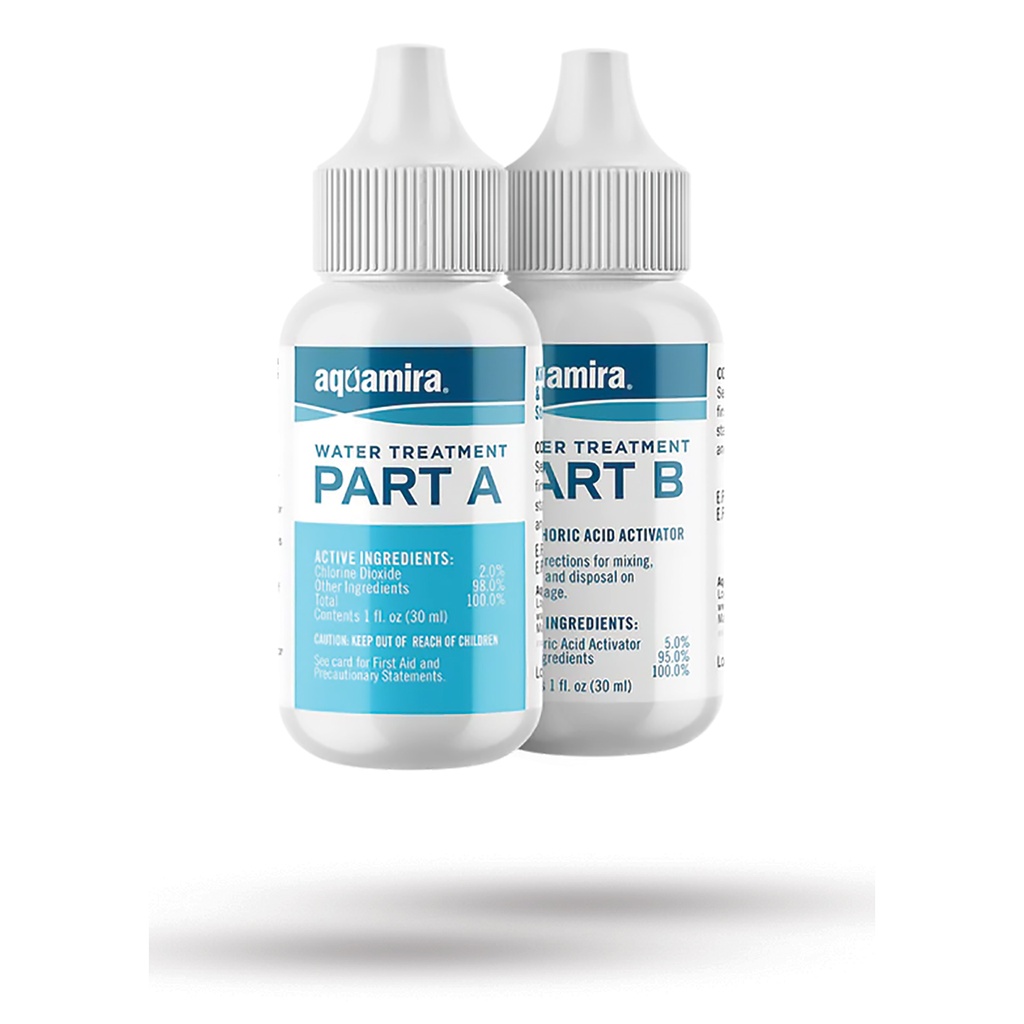
These Twin-Active chlorine dioxide water treatment drops are built for people who take safety and preparation seriously. Part A and Part B work together to knock out bacteria, viruses, and many protozoa in clear or murky, hot or cold water. Each compact, blue-label dropper treats up to 30 gallons per kit, making it ideal for backcountry trips, emergency storage, RV tanks, and camp systems. The clearly marked bottles and precise droppers keep dosing simple and repeatable when conditions are anything but.
Reliable Water Treatment When Clean Sources Aren’t Guaranteed
When you’re responsible for your own safety off-grid, your water treatment has to be more than a comforting idea. These Twin-Active chlorine dioxide water treatment drops are designed for practical protection: a compact system that quietly turns questionable water into something you can drink with confidence. No gimmicks, no flavor-packet marketing—just a proven chemical process in a rugged, easy-to-pack kit.
How Chlorine Dioxide Water Treatment Actually Works
Most people know they need “something” to treat water, but not what makes one method better than another. Chlorine dioxide is an oxidizer. In simple terms, it disrupts the vital processes of microorganisms like bacteria, viruses, and many protozoa, rendering them unable to make you sick. Unlike basic chlorine bleach, chlorine dioxide is more effective against a broader range of pathogens and tends to leave less chemical taste when used correctly.
This Twin-Active system separates the chemistry into Part A (chlorine dioxide solution) and Part B (phosphoric acid activator). When you mix them, you generate active chlorine dioxide gas in solution. You wait a short activation period, then add that mix to your raw water. Given proper contact time, you end up with water that’s been chemically disinfected, not just run through a cosmetic filter.
Why This Twin-Bottle Water Treatment Kit Is Worth Carrying
A lot of outdoor and emergency gear looks reassuring on the shelf but falls short when it matters. This kit is built around three practical priorities: efficacy, clarity of use, and portability.
Proven Chemistry With Clear Instructions
Each bottle is plainly marked as PART A and PART B, with blue labels that stand out in a pack or bin. You mix a few drops of each part, wait for the activation window, and then pour into your water. The dropper caps make precise dosing repeatable instead of guesswork. You’re not trying to eyeball tiny measuring lines on a murky evening in camp.
Compact Size, Heavy-Duty Capacity
Each 1 fl. oz (30 ml) bottle is small enough to disappear in a hip belt pocket or emergency kit, yet the pair treats up to 30 gallons of water. That’s enough for a group on a multi-day backcountry trip, a family’s short-term emergency supply, or repeated top-offs of an RV or camp tank. You’re carrying actual capability, not just a single overnight solution.
Field Use: From Backcountry Trails to Emergency Storage
This water treatment system is aimed at people who think in terms of scenarios: “What if I’m stuck at a trailhead overnight?” “What if the tap goes out for a week?” Instead of a single-purpose gadget, you get a flexible tool for multiple environments.
Backcountry & Overland Trips
On the trail, weight and reliability both matter. The twin-bottle format fits easily into a side pocket or small dry bag. Because chlorine dioxide works in cold and warm sources, clear or a bit muddy, you’re not restricted to perfect mountain streams. You can pair it with a simple sediment filter or cloth pre-filter for best results, but the treatment itself is doing the real safety work.
Home, RV, and Camp Readiness
For emergency storage or RV tanks, these drops give you a way to treat stored or questionable water without hauling in cases of bottled water. A clearly labeled, clinical-looking kit is easier to take seriously months after you’ve packed it away. Blue labels and straightforward directions mean a family member can follow the steps even if you’re not the one doing the setup.
Build Details That Support Safe, Repeatable Treatment
In real-world use, details matter. Fine-ribbed screw-on dropper caps are easier to grip with wet or cold hands. The pharmaceutical-style labels clearly list active ingredient percentages: 2.0% chlorine dioxide in Part A, 5.0% phosphoric acid in Part B. That kind of transparency is what you want in a product you’re trusting with your health.
Because these are liquid drops rather than tablets, you can fine-tune dosage for awkward container sizes instead of being locked into a single tablet-per-liter scheme. That’s useful when you’re filling cook pots, soft flasks, or makeshift containers in a crisis.
Safety, Storage, and Practical Limits
This is a chemical treatment—powerful and effective when used as directed, but not a magic wand. It’s designed to disinfect water microbiologically; it doesn’t remove heavy metals, fuel contamination, or large amounts of silt. Pre-filtering visibly dirty water through a cloth or dedicated filter will improve both taste and performance.
The labels clearly state: keep out of reach of children. Store the bottles tightly closed, upright when possible, away from heat and direct sunlight. In a preparedness bin or pack, keep them in a small sealed bag to contain any possible leaks and to keep instructions with the product.
What People Ask Before Trusting a Water Treatment Kit
How effective is chlorine dioxide for making water safer to drink?
Chlorine dioxide is one of the most trusted chemical treatments for backcountry and emergency use. When used as directed, with proper dosing and contact time, it is highly effective against common waterborne bacteria and viruses, and more effective than plain chlorine against many protozoa. No single method is 100%, but this is a proven, widely adopted approach when boiling isn’t practical.
How long do I need to wait after adding the treatment?
You activate the drops by mixing Part A and Part B, wait the specified activation period (typically a few minutes), then add the mixture to your water. After that, you allow a contact time window—usually around 15–30 minutes for clear water, longer for very cold or cloudy sources. The exact timing is printed on the product instructions, and following those times is what turns this from wishful thinking into true water protection.
Can I use these drops in very dirty or muddy water?
You can, but you shouldn’t treat thick mud and call it good. Chemical disinfectants work best when the water is as clear as you can reasonably make it. In practice, that means pre-filtering through a cloth, coffee filter, or basic sediment filter first. The chlorine dioxide then targets the microorganisms, not the mud. This two-step approach is how experienced users get both safety and drinkability.
How long will one kit last in normal use?
Each Twin-Active kit treats up to 30 gallons of water. In the field, that might look like several multi-day trips for a solo user, a full week or more for a small group if you’re conservative, or a meaningful buffer for home emergency storage. The dropper format lets you stretch or concentrate usage depending on your container sizes and needs.
Carrying This Kit as Part of a Realistic Protection Plan
If you think about protection in practical terms—shelter, water, medical, then everything else—this kit sits right near the top of your list. It’s small enough that there’s no real excuse to leave it out of a pack, glovebox, or go-bag. Combined with a simple filter or even a bandana for pre-filtering, it gives you a field-tested way to convert unknown sources into drinkable water without relying on gear that can clog or break.
The point isn’t to collect more gear; it’s to carry a few pieces that actually solve core problems. These Twin-Active chlorine dioxide drops do exactly that for water. You understand what they can do, what they can’t, and how to use them. That’s what real preparedness looks like: calm, informed, and ready long before you twist the cap.