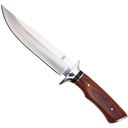
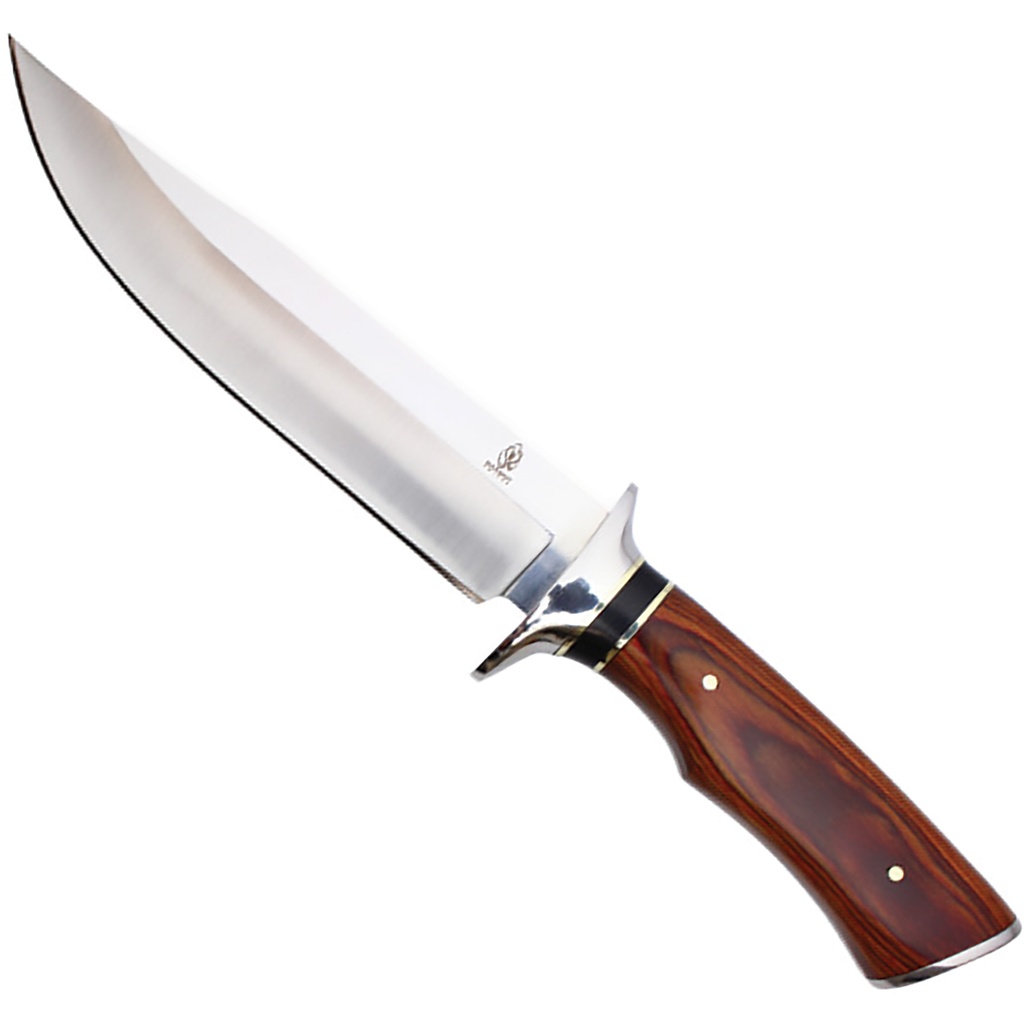
Timberline Heritage Tracker Hunting Knife - Natural Wood
15 sold in last 24 hours
A fixed blade hunting knife should disappear into your hand and earn its keep in the field. The Timberline Heritage Tracker Hunting Knife does exactly that. A 7-inch clip point 3CR13 stainless blade runs full tang through a 5-inch natural wood handle for balance, leverage, and control on game or camp chores. The polished edge bites cleanly for field dressing, notching, and light wood work, while the nylon sheath keeps it ready on your belt. Simple, classic, and built for real use.
What the Timberline Heritage Tracker Hunting Knife Actually Does Well
The Timberline Heritage Tracker Hunting Knife - Natural Wood is built for one honest job: handle real hunting and camp work without fuss. No gimmicks, no tacticool styling—just a 7-inch clip point fixed blade that makes field dressing, skinning, and camp chores straightforward and controlled. The full-tang construction and natural wood handle give you leverage and feel, so the knife becomes a tool you can trust, not a toy you baby.
This isn’t the sort of knife you pose with. It’s the one you put on your belt before first light and don’t think about again until it’s time to quarter an animal or break down kindling. Solid. Predictable. Easy to sharpen. Exactly what a traditional hunting knife should be.
How This Fixed Blade Hunting Knife Is Built for Real Field Use
Every design choice on this hunting knife leans toward reliability and control. The 3CR13 stainless steel blade offers good corrosion resistance and is easy to touch up with a basic stone or field sharpener. You’re not fighting a super-steel edge; you’re maintaining a practical working edge you can restore in minutes at camp.
The full-tang build means the steel runs from tip to pommel in one continuous piece. No hidden rat-tail, no flex where you need firmness. The natural wood scales are pinned with brass, providing a warm, secure grip that doesn’t feel icy in cold weather and won’t crumble if it sees some hard use. Add the polished guard at the front, and you get a simple but effective stop that keeps your hand from sliding up onto the edge when things get messy or wet.
Clip Point Blade for Precise Hunting Tasks
The long clip point profile is a classic hunting choice for a reason. The clipped spine brings the tip down for better control when opening up game, working around joints, or doing finer tip work. The plain edge gives you a clean slicing surface from heel to tip—no serrations to snag on hide or tissue. At 7 inches, you’ve got enough reach for larger game and camp chores without feeling like you’re swinging a machete.
Comfortable Natural Wood Handle with Practical Ergonomics
The 5-inch natural wood handle curves into your palm and gives you enough length for a full grip, even with gloves. Wood has a quiet advantage in the field: it gains a bit of texture with use, and it stays more comfortable across temperature swings than bare metal or some plastics. The smooth contour avoids hot spots in your hand, so longer cutting sessions—breaking down quarters, trimming, or notching—feel more controlled and less fatiguing.
Carry Reality: How This Hunting Knife Rides on Your Belt
A hunting knife only helps if you’ve actually got it on you. This fixed blade comes with a nylon sheath designed for belt carry, so it’s where you need it when you step off the truck. Nylon isn’t fragile or fussy; it shrugs off brush, dirt, and weather. You can strap it to a pack belt or hip belt and forget it until you need the blade.
The overall 12-inch length makes this a full-size field knife, not a pocket piece. That length gives you real leverage for cutting and light chopping, but it also means it’s meant for outside-the-waistband carry. For hunters, campers, and landowners doing property work, that’s ideal: the knife is accessible, visible, and not buried in a pack when you need to cut rope, trim branches, or open up an animal.
Why This Classic Hunting Knife Design Still Works
Modern knife marketing loves exotic steels, aggressive angles, and endless buzzwords. The Timberline Heritage Tracker Hunting Knife goes the other way: proven patterns, straightforward materials, and a design that’s been doing the job for generations. If you hunt whitetail, hogs, or similar game, or you just want a solid camp knife, the mix of blade length, full-tang strength, and wood handle control makes sense.
3CR13 stainless won’t win steel snob debates—and that’s fine. It resists rust well enough for hunting conditions and touches up quickly after a day in the field. For a knife that will see blood, moisture, and dirt, and then get cleaned and put away, that ease of maintenance is a genuine asset.
Field Tasks This Hunting Knife Handles Well
- Field dressing medium to large game with controlled tip work
- Skinning and basic breakdown where a steady edge matters more than flash
- Camp chores like cutting cordage, trimming branches, and light kindling prep
- General utility on the property—opening feed bags, trimming tarp lines, quick repairs
What People Ask Before Buying a Fixed Blade Hunting Knife
How big should a hunting knife be for field use?
For most hunting and camp tasks, a blade between 4 and 7 inches hits the sweet spot. The Timberline Heritage Tracker sits at the upper end with a 7-inch blade, which gives you excellent reach for larger game and more leverage for camp chores. If you work with deer, hogs, or need a single knife to handle both game and general camp cutting, this size is practical. It’s long enough to be versatile, but still controllable thanks to the clip point and full-size handle.
Is a full-tang fixed blade really better for hunting?
For hunting and outdoor use, a full-tang fixed blade is the standard for a reason. With the steel running the full length of the knife, you reduce weak points where hard use might cause flex or failure. That matters when you’re twisting around bone, prying lightly, or bearing down during a cut. The Timberline Heritage Tracker uses a true full-tang construction with pinned wood scales, giving you a straightforward, durable build that holds up to repeated seasons in the field.
What about maintenance—how hard is this steel to sharpen?
3CR13 stainless is intentionally user-friendly. It resists rust reasonably well and sharpens easily with common tools—a small stone, pull-through sharpener, or field rod is enough. If you’re the kind of hunter who wants to touch up the edge at camp without a full bench setup, this is an advantage. You trade a bit of edge retention compared to high-end steels for faster, simpler sharpening, which for many practical users is the better deal.
Carrying This Knife with Practical Confidence
The real value of the Timberline Heritage Tracker Hunting Knife is that you don’t have to overthink it. You belt it on in the morning, use it as needed, clean it, touch up the edge when it starts to slide, and it’s ready again. No delicate finishes to baby, no complex locking mechanisms to fail, no mystery about how it will behave under pressure.
If you want a fixed blade hunting knife that looks like it belongs in the field, feels natural in the hand, and earns its place on your belt through use, this design checks those boxes. Classic lines, honest materials, and a build that favors reliability over marketing. That’s how a hunting knife should be.
| Blade Length (inches) | 7 |
| Overall Length (inches) | 12 |
| Blade Color | Silver |
| Blade Finish | Polished |
| Blade Style | Clip Point |
| Blade Edge | Plain |
| Blade Material | 3CR13 Stainless Steel |
| Handle Finish | Polished |
| Handle Material | Natural Wood |
| Theme | None |
| Handle Length (inches) | 5 |
| Tang Type | Full Tang |
| Sheath/Holster | Nylon Sheath |