Trail Ember Slow-Burn Fire Starter Sticks - Natural Beige
13 sold in last 24 hours
These slow-burn tinder sticks are built for the moments when your fire has to work the first time. Each 4-inch, water-resistant stick lights easily and holds a steady ember for about five minutes, giving you time to stack kindling, adjust airflow, and grow real heat. The natural beige, non-toxic fibers break away cleanly, ride flat in a pocket, and stay reliable in damp conditions. A 12-pack is enough to cover a long weekend, a backup kit, and an emergency pouch without adding bulk.
What These Tinder Sticks Actually Do When Conditions Turn Difficult
When the wind shifts, the air turns damp, and your fingers are getting stiff from the cold, these slow-burn tinder sticks give you something priceless: time to build a proper fire instead of fighting to keep a tiny flame alive. Each 4-inch stick lights quickly, then settles into a steady ember that runs for around five minutes, long enough to bring small kindling to life and start real coals. No drama, no gimmicks—just a controlled, predictable burn that makes fire starting simpler and more reliable.
How Slow-Burn Tinder Sticks Work in Real Camping Use
Unlike loose tinder that flashes and disappears in seconds, these sticks are compressed, fibrous fire starters designed to trade instant flare for sustained heat. You shave or break off a strip, give it a bit of surface fray for a spark or match to catch, and once it lights, the material smolders and flames in a controlled way instead of racing through all its fuel at once.
That slow progression is what matters outdoors. When you have a five-minute ember instead of a five-second flare, you can place and reposition twigs, adjust your teepee or log cabin structure, and compensate for wind or damp bark without losing your only flame. It’s the fire-starting equivalent of a generous margin for error.
Five-Minute Burn Time: Why It Matters More Than Raw Flame
On paper, five minutes doesn’t sound like much. In the field, five minutes of steady burn is the difference between kindling that’s just smoking and kindling that’s fully engaged and radiating heat. These tinder sticks are tuned for that job: consistent output instead of a quick showy blaze. Strike, shelter, stack kindling, and let the ember do its work.
Water-Resistant Fibers for Damp Mornings and Wet Ground
These slow-burn tinder sticks are built to keep working after your gear has picked up moisture from fog, wet grass, or a brief splash. The compressed fibers and treatment help shed incidental water so that, after a quick rough-up of the surface, you still have dry material exposed to your spark or match. This is not a magical ‘works underwater’ trick; it’s practical water resistance that keeps fire starting realistic on foggy ridges and in soggy campsites.
Build Quality: What Makes These Fire Starter Sticks Reliable
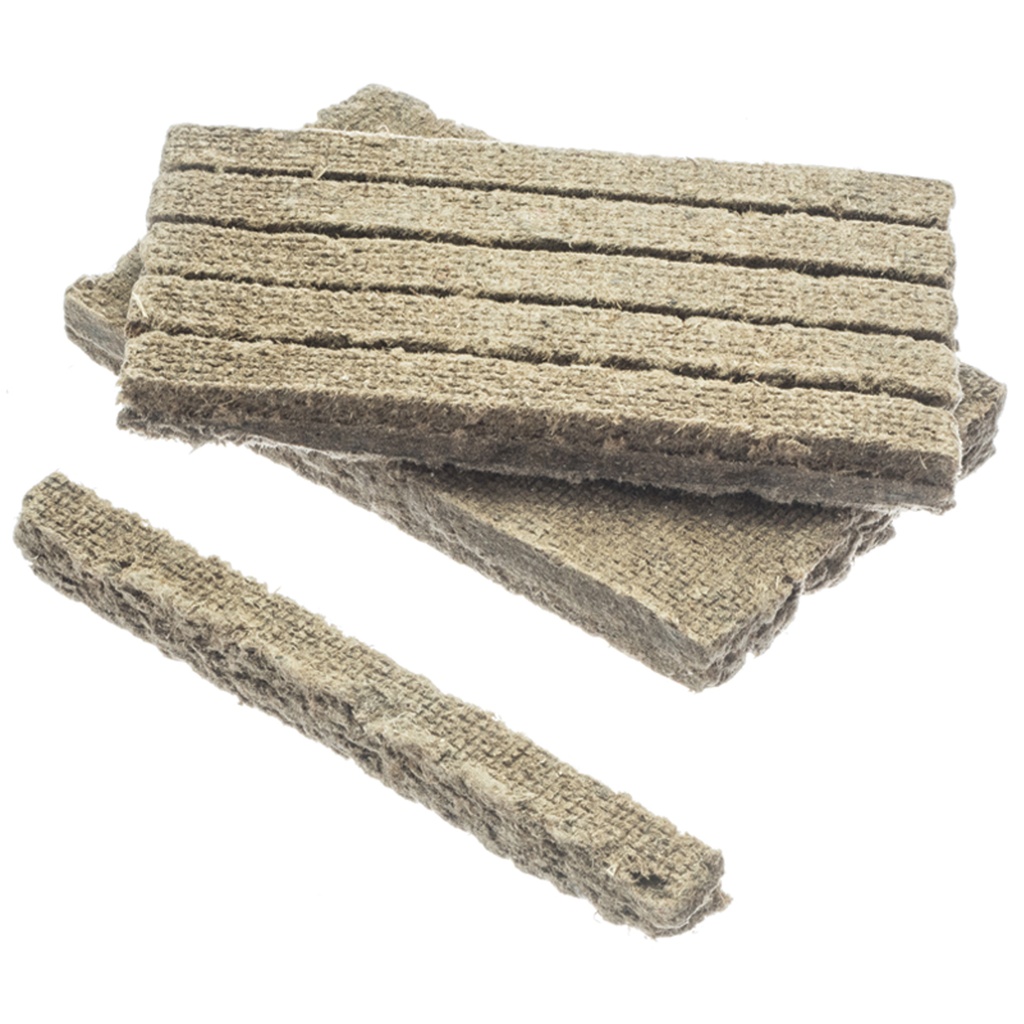
Reliability in a fire starter comes down to three things: predictable ignition, predictable burn, and safe, non-toxic materials. These tinder sticks are pressed into uniform 4-inch lengths with a consistent density, so they don’t crumble unexpectedly or burn out in random hot spots. Scored lines across the beige panels let you snap off sticks cleanly without tools, keeping the remaining block intact in your kit.
The fibrous texture is visible even at a glance; it’s what lets you rough up an edge quickly for better catch without tearing the whole stick apart. Non-toxic composition means you can use them confidently around cookware and in close shelters without worrying that you’re trading warmth for questionable fumes.
Pocket-Sized, Pack-Flat, and Actually Easy to Carry
Fire starters you leave at home don’t help. These tinder sticks are compact and flat enough to ride in a pocket, sit in the lid of a cook kit, or tuck into a small survival tin. The 12-pack format spreads easily across multiple kits: main pack, glove box, and emergency pouch. Lightweight construction means you’re not thinking twice about tossing in a spare pack for redundancy.
Break-Away Design for Fine Control Over Fuel
Each panel is scored so you can break off just what you need. In dry conditions, you might use half a stick and save the rest. In cold, damp weather, you can stack two or three sticks in parallel to create a stronger, hotter base. That level of control keeps you from wasting material when conditions are easy, while still giving you extra margin in bad weather.
Using These Tinder Sticks Effectively in the Field
Good fire starting is more method than magic. These slow-burn tinder sticks fit into a simple, repeatable process that works across most environments:
- Prep first, light last: Gather pencil-lead twigs, then finger-thick sticks, then wrist-thick fuel before you strike. These tinder sticks give you time, but they still burn out if you’re scrambling for wood after you light them.
- Expose fibers for faster catch: Use a knife spine, key edge, or your fingers to rough up an end of the stick. More exposed fibers equal easier ignition from a match, lighter, or ferro rod.
- Shield from wind without smothering: Crouch around the flame or use a rock/log windbreak, leaving openings for airflow. These sticks are forgiving, but any flame can be choked with too much shelter.
- Build up, not on: Instead of dropping heavy fuel straight onto the tinder, lean kindling over it so the flame can climb naturally. The five-minute burn time lets the heat soak into your small sticks instead of just licking at one side.
This kind of calm, step-by-step fire starting is what turns a pack of tinder sticks from an emergency last resort into a routine part of every camp setup.
Fire Starter Safety and Environmental Considerations
Because these tinder sticks are non-toxic and compact, they fit well in family camping kits, beginner backpack setups, and emergency household supplies. As with any fire-starting aid, the responsibility is in how you use them:
- Clear flammable duff and dry grass away from your fire ring.
- Use established fire pits when possible.
- Extinguish your fire fully—cold to the touch, no embers—before leaving.
The slow-burn design means fewer relights and fewer wasted matches, which often leads to less scattered burnt material and a cleaner campsite overall.
What People Ask Before Packing These Fire Starter Sticks
How long does each tinder stick burn?
Each 4-inch slow-burn tinder stick typically gives you about five minutes of usable flame and ember time under normal conditions. In dry, mild weather it may run slightly longer; in strong wind or very damp conditions you’ll see closer to that five-minute mark. The important point is that you’re getting minutes, not seconds, which is enough to bring properly prepared kindling to life.
Will these tinder sticks still work if they get damp?
The tinder sticks are water-resistant, not waterproof. They’re designed to shrug off incidental moisture—condensation in a pack, brief contact with wet ground, light rain on the wrapper—and still light after you rough up the surface to expose drier fibers. If they’re thoroughly soaked and left that way, performance will drop, just like with any fire-starting material. Storing them in a small zip bag or dry pouch maximizes their reliability.
Are these tinder sticks safe to use in enclosed shelters or near cookware?
The material is non-toxic, which makes it a safer choice around families and in close quarters than many chemical-heavy starters. That said, any open flame consumes oxygen and produces combustion byproducts, so treat them like any other campfire component: use in well-ventilated areas, avoid burning them directly inside tight, closed tents, and rely on established stoves or heaters for enclosed use.
How many sticks should I carry for a weekend trip?
A single 12-pack is more than enough for most weekend trips. Many campers plan on one stick per planned fire (evening and morning) plus a couple of extras for emergencies or poor weather. Because the sticks are compact and light, it’s easy to split a pack between multiple people or kits so you’re not relying on a single bag in one backpack.
Practical Preparedness: A Small Upgrade With Outsized Impact
These slow-burn tinder sticks are a quiet kind of upgrade: they don’t look flashy, and they won’t impress anyone with sparks and showmanship, but they change what hard, cold, wet fire-starting days feel like. Instead of hovering anxiously over a fragile flame, you set a steady ember, stack your kindling with intention, and let the process work.
They’re compact enough to live in every pack and glove box, reliable enough to trust on bad-weather trips, and simple enough that a beginner can use them well. Add a pack to your kit, run a few test fires on your own terms, and you’ll know exactly what to expect when the conditions are less forgiving and the fire really matters.