
Twin Strike Compact Crossbow Quiver - Black Polymer
13 sold in last 24 hours
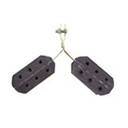
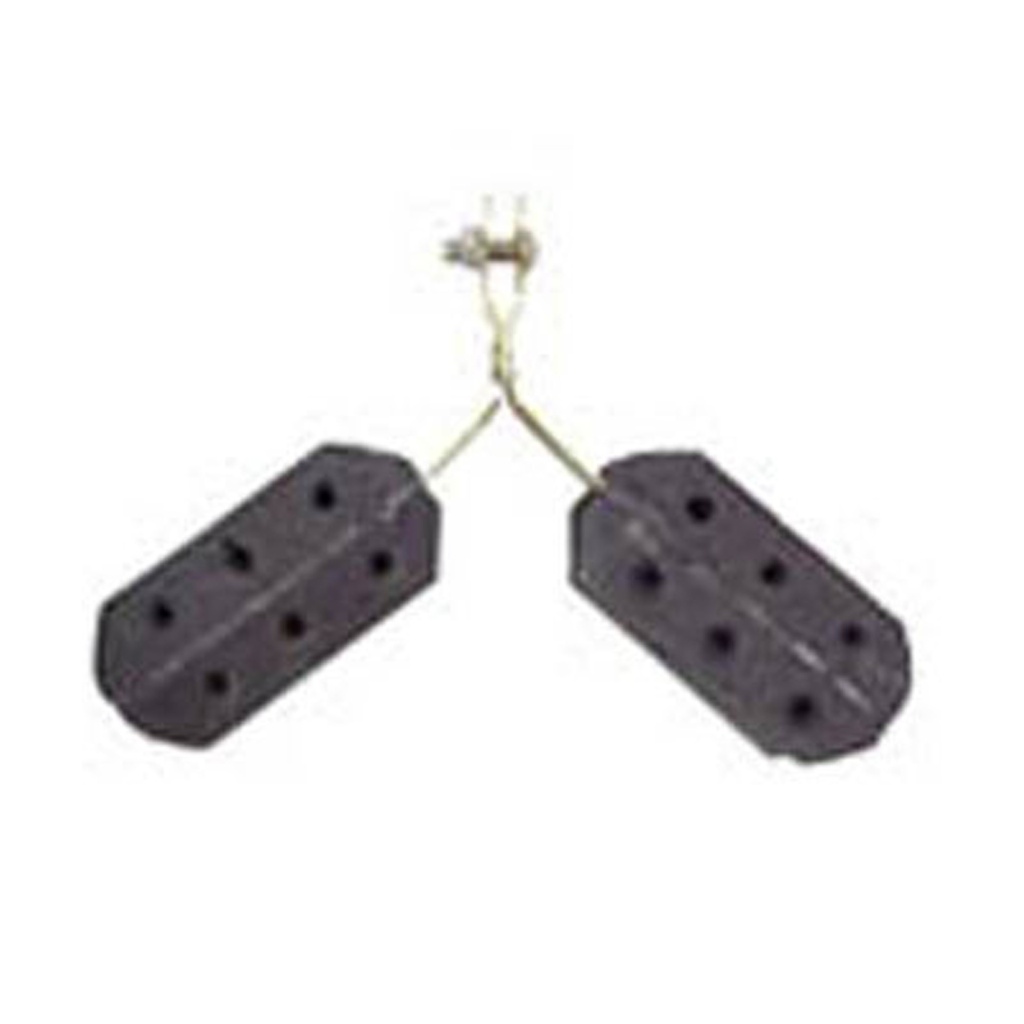
The Twin Strike Compact Crossbow Quiver - Black Polymer is purpose-built for the Cobra CB-7, giving your crossbow a low-profile, balanced way to carry multiple bolts. The dual-block design keeps bolts separated, quiet, and easy to grab without adding bulk. Its durable black polymer body and simple metal connector hardware are made for real field use, not decoration, keeping your setup streamlined, secure, and ready whenever you need a follow-up shot.
What This Compact Crossbow Quiver Actually Does
The Twin Strike Compact Crossbow Quiver - Black Polymer is a practical add-on for the Cobra CB-7 crossbow. It doesn’t promise extra power or range. Instead, it does one essential job very well: it keeps your bolts organized, protected, and immediately accessible on the crossbow itself so you can reload quickly and cleanly when it matters.
For any serious crossbow user, whether you’re practicing, small-game hunting, or setting up a compact protection system, a stable crossbow-mounted quiver is the difference between scrambling for loose bolts and being calmly ready for the next shot.
Design Details: Compact, Balanced, and Built for the Cobra CB-7
This is a crossbow-mounted quiver specifically designed to match the Cobra CB-7. The twin-block layout isn’t cosmetic—it solves two real problems: balance and access. By splitting the bolt storage across two rectangular quiver blocks and placing them symmetrically, the system keeps weight evenly distributed on either side of the mount, reducing awkward side-drag that you get with some single-sided quivers.
Dual-Block Layout for Organized Bolt Storage
Each of the two rectangular quiver blocks holds multiple short bolts in individual circular slots. That separation keeps fletchings from rubbing excessively, reduces clatter when you move, and makes it easier to pull a single bolt without tangling up the rest. The chamfered edges and compact footprint mean the quiver stays close to the body of the crossbow, rather than hanging out where it can snag on brush or gear.
Durable Polymer with Simple, Honest Hardware
The primary material is a tough black polymer—lightweight but stiff enough to grip the bolts securely. The blocks are connected by slender metal rods and a small central hardware link. Nothing here is over-engineered or flashy; it’s a straightforward mechanical connection that does what it’s supposed to do: hold both blocks firmly in alignment so your bolts ride straight and quiet along the crossbow.
Carry Reality: Why a Mounted Quiver Matters
Carrying your bolts on the crossbow instead of in a pocket or loose in a pack changes how you move and shoot. With this compact crossbow quiver, your reloads are always within the same reach area—no digging, no guessing where the next bolt is. That keeps your focus on the target and your environment instead of on your gear.
The low-profile black finish also keeps visual noise down. It blends into the crossbow frame, so you’re not adding shiny or bright components that reflect light or catch unnecessary attention. For practical use—whether that’s range work, field use, or keeping a compact crossbow system staged at home—neat, predictable storage is a silent advantage.
Compatibility and Setup: Built for the Cobra Platform
This quiver is intended for the Cobra CB-7 crossbow platform. That specificity is a strength, not a limitation: fit and alignment are much more predictable when a quiver is designed around a known rail and body shape. Once mounted, the twin-block system sits where it should, instead of improvising around generic mounting points.
If you already run a Cobra CB-7, this is not an experimental accessory—you’re getting a bolt-holding solution that was planned with that system in mind, so you spend less time fighting with fitment and more time actually shooting.
Field Use: Quiet, Predictable, Repeatable
In practice, a good crossbow quiver should be almost forgettable. You shouldn’t need to think about it. The individual circular bolt sockets in each block help with that: each bolt has a defined home, and you can develop a muscle-memory pattern for pulling from the same spot every time. That repeatability is what keeps you calm and efficient during reloads.
The symmetrical design also helps when shooting from awkward positions or in tight spaces. Whether you reach from the left or right side, you have immediate access to a bank of bolts with the same spacing and feel.
What People Ask Before Buying a Stun Gun for Protection
Many people researching personal protection consider both ranged tools like crossbows and close-contact tools like a stun gun for self defense. The questions below focus on stun gun protection because they’re some of the most searched and misunderstood topics in self-defense gear.
How effective are stun guns for self defense?
A stun gun for self defense is a close-contact tool. Its real effectiveness depends on four factors: your ability to make solid contact, the amperage (current) the device can deliver, how long you maintain that contact, and where you apply it. A quality stun gun won’t magically drop someone at a touch; what it realistically does is create intense pain, momentary muscular disruption, and hesitation in an attacker—giving you a window to break contact and escape. It’s a support tool, not a force field, and it works best when paired with situational awareness and a clear plan to disengage.
Does voltage or amperage matter more in a stun gun?
Voltage is mostly about starting the spark and jumping the gap between the stun gun contacts. That’s why you see dramatic “million volt” marketing—but past a certain point, more voltage doesn’t mean more stopping power. Amperage (current) is what actually affects the body. Within typical civilian stun gun ranges, a higher, well-controlled current and good contact area will matter far more than inflated voltage numbers. When choosing the best stun gun for personal protection, look at build quality, contact design, and how reliably it delivers current, not just a voltage headline.
Is this stun gun legal to carry in my state?
Stun gun legality is very state- and sometimes city-specific. Some states treat a stun gun for self defense like any other defensive tool, while others require permits, restrict carry in certain locations, or ban them outright. Before buying what you consider the best stun gun to carry, check two levels: state law (often under weapons, electronic control devices, or self-defense tools) and local ordinances for your city or county. When in doubt, verify with current statutes or consult an attorney; laws can and do change, and staying within them is part of responsible personal protection.
Practical Takeaway: Building a Coherent Protection Setup
Whether you’re outfitting a Cobra CB-7 with the Twin Strike Compact Crossbow Quiver or evaluating a stun gun for self defense, the same principle applies: skip the hype and focus on function. With this quiver, that means secure bolt retention, balanced mounting, and quiet, predictable access. With a stun gun, it means understanding amperage, contact time, and realistic expectations.
Put simply, good gear should make you calmer, not more anxious. A dedicated crossbow quiver keeps your bolts where you need them. A well-chosen stun gun for personal protection gives you a close-range option you understand how to deploy. Combine both with clear thinking and basic practice, and you end up with a protection setup that’s honest, capable, and built around how you actually live—not around marketing promises.