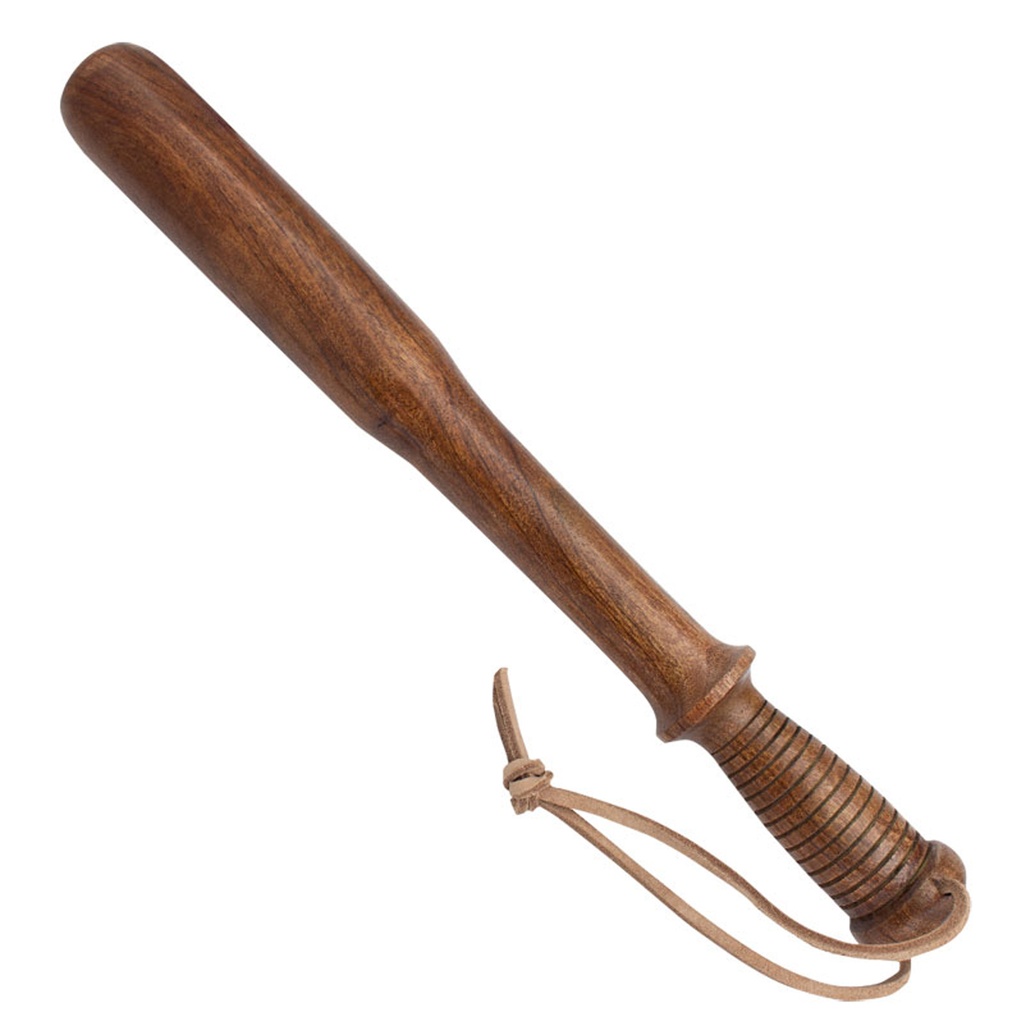
Freightline Echo Route-Ready Tire Thumper Baton - Onyx Black Maple
13 sold in last 24 hours
Built for drivers who take pre-trip checks seriously, the Freightline Echo Route-Ready Tire Thumper Baton in onyx black maple turns a quick knock into real information. The 18.5-inch maple body delivers a balanced swing and clear resonance, while the grooved, glove-friendly handle and leather wrist strap keep it secure at the cab. It’s a classic wooden tire checker that feels solid in hand, rides where you need it, and quietly becomes part of your route rhythm.
What This Tire Thumper Actually Does for Real-World Protection
The Freightline Echo Route-Ready Tire Thumper Baton - Onyx Black Maple is a classic driver’s tool first, and a practical protection option second. It’s a solid maple tire thumper designed to give you quick, confident reads on your tires with a clean knock and clear resonance. The same qualities that make it dependable for pre-trip checks—a balanced swing, secure grip, and durable wood construction—also make it a straightforward impact tool if you ever need improvised self-defense around your vehicle.
There’s no gimmick here and no tactical cosplay. Just an 18.5-inch wooden club with a glove-friendly grooved handle and a leather wrist strap that lives where drivers actually work—beside the seat, in the door pocket, or on the cab wall.
How a Tire Thumper Works and Why Drivers Rely on It
A good tire thumper is simple: you swing, you listen, and you feel. The Freightline Echo uses its maple construction and balanced head to transmit a clear, resonant sound when you strike the tire. With routine use, that sound and the subtle feedback in your hand tell you whether a tire is likely underinflated, flat, or about right.
In practice, this means less crouching, less fiddling with tools at every stop, and a faster pre-trip rhythm. It’s not a replacement for proper pressure checks, but it’s the quick, first-line screen that experienced drivers use to catch problems before they turn into roadside hazards.
Build Quality That Matters When You Need a Solid Baton
With impact tools, the same rules apply whether you’re checking tires or thinking about self-defense: balance, grip, and durability matter more than marketing talk. This tire thumper baton is turned from solid maple with a slightly enlarged striking head and a continuous, polished finish. There are no joints, hinges, or weak points along the shaft—just a one-piece wooden club with a leather strap anchored at the base.
Glove-Friendly Grooved Handle for Real Control
The handle is ribbed with concentric grooves that bite just enough into your palm or glove to resist slipping without feeling harsh. For drivers wearing work gloves or in wet, cold conditions, that texture is what keeps the baton from rotating out of your grip on impact. If you ever had to use it defensively, that same grooved handle gives you reliable retention under stress.
Leather Wrist Strap for Retention and Access
The leather wrist strap serves two purposes. First, it gives you insurance against dropping the tire thumper while walking your rig or working around a lot. Second, it allows you to hang it within easy reach in the cab or storage compartment. In any protection context, access beats theory—if a tool isn’t where your hand naturally goes, it’s decoration. This strap helps ensure it’s exactly where you expect it.
Using a Tire Thumper Baton for Practical Self-Defense
While this is sold as a tire checker, many drivers think in terms of layered personal protection: awareness, avoidance, and only then, tools. A wooden tire thumper baton fits that mindset. It’s a familiar, work-based object that doesn’t scream “weapon,” yet it offers reach and striking power if you have to defend yourself near your vehicle or in a lot.
The 18.5-inch overall length gives you more distance than empty hands, and the slightly enlarged head focuses impact without being unwieldy. In practical self-defense terms, this means you can use simple, gross-motor swinging motions—horizontal, diagonal, or downward strikes—without needing martial arts training. The goal isn’t fancy technique; it’s creating enough disruption to break contact and get to safety.
Carry Reality: Where This Baton Lives in a Working Day
Unlike a stun gun for self defense that might ride in a pocket or on a belt, a tire thumper baton like this typically lives in functional spots: cab door pockets, behind the seat, in a side compartment, or hanging by its strap. The onyx black maple finish and clean, traditional silhouette look like what they are—a driver’s tool—so they fit naturally into a professional environment.
For personal protection, the key is consistency. Pick one or two locations where you store the baton and keep it there every time. Under pressure, you won’t rise to the level of your plans; you’ll fall to the level of your habits. If every pre-trip check starts by grabbing the same tire thumper, your hand will know exactly where to go if a situation feels wrong near the truck.
What People Ask Before Buying a Stun Gun for Protection
How effective are stun guns for self defense?
Stun guns can be effective as part of a broader self-defense plan, but they aren’t magic wands. Their real-world effectiveness depends on three things: contact time, where you touch the attacker, and device reliability. You need solid contact on the body, usually for several seconds, to create enough pain and muscle disruption to open a window to escape. They’re close-range tools, which means awareness, distance management, and a backup plan still matter. Many professionals pair a stun gun for self defense with an impact tool like a baton or tire thumper for situations where electricity isn’t practical or legal.
Does voltage or amperage matter more in a stun gun?
Voltage gets the headlines, but amperage is what actually does the work. High-voltage claims—“millions of volts”—are mostly marketing. Voltage is the pressure that helps the current arc across a gap; amperage is the amount of current that flows through the body once contact is made. For a stun gun, you want enough voltage to reliably arc across clothing, but the real measure of effectiveness is current output, how long you can maintain contact, and how well-built the internal components are. A modest, well-engineered stun gun with solid amperage and a good contact area will outperform a flashy “10 million volt” device built cheaply.
Is this stun gun legal to carry in my state?
Stun gun laws in the United States vary by state and sometimes by city. Some states treat a stun gun for self defense like any other defensive tool with minimal restrictions; others require permits, limit where you can carry, or restrict sales entirely. Before you buy or carry one, check your state statutes and any local ordinances—search terms like “stun gun law [your state]” or consult your state’s official legislative website. If you’re a professional driver, remember you may cross multiple jurisdictions in one route, so you’ll want a tool set—like a tire thumper baton—that remains legal and practical across state lines.
Carrying with Confidence: Practical Protection, Not Hype
The Freightline Echo Route-Ready Tire Thumper Baton - Onyx Black Maple is honest gear. It doesn’t pretend to be anything other than what it is: a reliable wooden tire checker that pulls double duty as a straightforward impact tool if circumstances demand it. No voltage claims, no drama—just solid maple, a balanced swing, a secure grooved handle, and a leather strap that keeps it where you need it.
If you pair this baton with a well-chosen stun gun for self defense, you end up with a layered, practical protection setup: a close-contact electrical tool when conditions allow, and a simple, durable impact option that works rain or shine, charged or not. The more you integrate both into your daily routine—pre-trip checks, consistent carry spots, practiced grips—the more you shift from anxious to prepared. Calm, informed, and ready beats hype every time.