
Hi-Vis Guardian Duty-Profile Training Pistol - Yellow
14 sold in last 24 hours
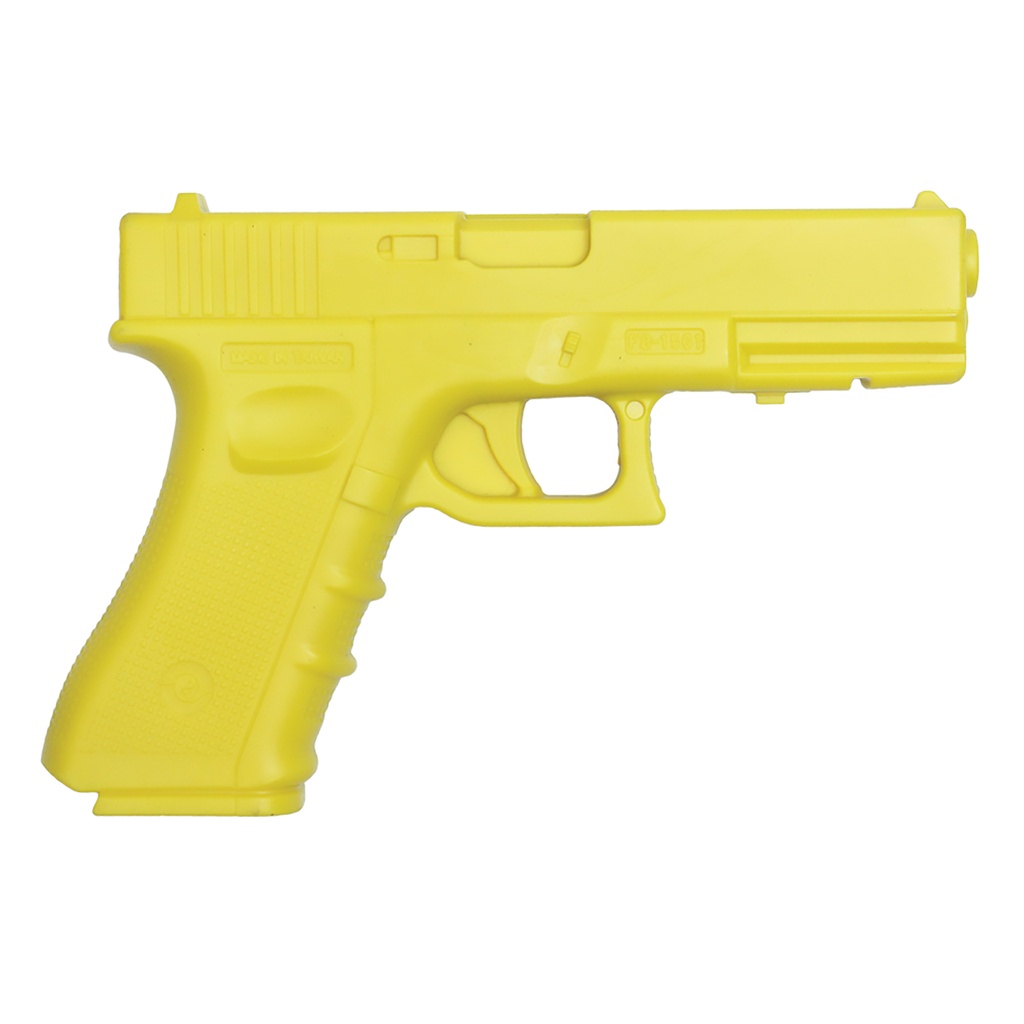
The Hi-Vis Guardian Duty-Profile Training Pistol - Yellow gives instructors and students a full-size, inert pistol that reads “safe” at a glance. The bright hi-vis yellow frame and one-piece polypropylene build make it impossible to mistake for a live firearm, while the realistic 9" duty profile, textured grip, and molded sights keep draws, holstering, and retention drills true to life. Built to take drops and hard corrections, it’s a practical tool for safer, more confident firearms handling practice.
What This Hi-Vis Training Pistol Actually Does
The Hi-Vis Guardian Duty-Profile Training Pistol - Yellow is an inert, full-size practice pistol built for realistic handling without live-fire risk. It doesn’t shoot, cycle, or accept ammunition. Instead, it gives you a duty-style profile, proper grip shape, and holster-compatible dimensions so you can train drawing, holstering, retention, and muzzle awareness with a tool that looks and feels like the real thing—but clearly is not a live firearm.
Whether you’re an instructor running a crowded classroom, a range officer tightening up holster work, or a shop owner demonstrating fit, this hi-vis pistol keeps the focus on mechanics and safety, not managing live weapon risk.
Why a Hi-Vis Training Pistol Belongs in Every Safety Program
Serious firearms training doesn’t start on the firing line. It starts with safe, repeatable reps: draw stroke, re-holster, grip consistency, trigger finger discipline, and basic orientation around other people. A high-visibility training pistol allows all of that work to happen at full speed, in tight spaces, without the consequences of a loaded weapon.
The solid hi-vis yellow color reads as inert from across the room. Students, bystanders, and other staff immediately understand this is a training tool, not a live handgun. That visual clarity reduces anxiety for new shooters, prevents mix-ups in gear bags, and gives instructors a clear, enforceable standard: yellow is safe, live guns stay off the mat or off the classroom floor.
How This Inert Training Pistol Is Built for Realistic Practice
While this is not a stun gun or any kind of firing weapon, it follows the same principle that good self-defense gear follows: realistic enough to matter, safe enough to use often. The Hi-Vis Guardian is molded as a single piece of polypropylene with no moving parts, giving you durability and consistent shape every time you draw it.
Full-Size Duty Profile for Holster and Handling Accuracy
At approximately 9 inches overall length, the profile mirrors a modern duty-size semi-auto pistol. That matters for:
- Holster demos: Checking holster fit, ride height, and angle without racking a live slide in a store or classroom.
- Draw drills: Practicing concealment garments, clearing cover, and full-speed draws with duty-sized dimensions.
- Retention work: Running close-quarters retention drills where students may grab, bump, or drive the pistol into pads.
Textured Grip and Sights That Encourage Proper Technique
The molded textured grip and finger grooves encourage a consistent hand position. Students feel where their support hand belongs, how high their firing hand should ride the backstrap, and what a solid, repeatable grip feels like—before there’s any report or recoil to manage.
Simple molded front and rear sights create a sight picture close enough to a service pistol that instructors can teach sight alignment and sight awareness during dry, non-firing drills. It’s not about micro-precision; it’s about giving new shooters a reference that carries straight over to the live range.
Safety Advantages of a One-Piece Inert Training Pistol
Because this training pistol is a single piece of polypropylene, there are no surprises: no working trigger, no removable magazine, and no way to chamber a round. That removes an entire category of error from classrooms and demonstrations where live guns and this training pistol might otherwise be in the same area.
The material is tough enough to handle drops, disarms, and hard corrections into mats or training dummies. Instructors can physically move a student’s hands, demonstrate weapon-retention leverage, or show impact angles without worrying about damaging a real slide, sights, or frame.
Carrying, Storing, and Using This Trainer in Real Settings
Instructors and staff tend to discover the same thing: once you have a realistic inert pistol, you use it constantly. The hi-vis yellow finish helps here too—if you toss it in a gear bag or on a range bench, it is instantly identifiable among darker gear and live firearms.
- In the classroom: Use one per student for hands-on handling drills, or one per table for demonstrations.
- On the range: Keep it on your belt in a holster for demo draws while students keep their live firearms holstered.
- In the shop: Use it as your go-to holster fit and gun handling demo pistol for customers.
The key advantage is simple: you can let people handle this freely, practice aggressively, and make mistakes without catastrophic consequences. That’s how real competence gets built.
What People Ask Before Buying a Stun Gun for Protection
Even though this product is an inert training pistol and not a stun gun for self defense, many buyers researching personal protection gear ask the same kinds of questions—especially when they’re comparing hands-on tools like stun guns, pepper spray, and training aids like this.
How effective are stun guns for self defense?
Stun guns can be effective as part of a broader self-defense plan, but they are not magic wands. Their real-world effectiveness depends on access, contact time, and where you make contact. A stun gun for self defense works by delivering electrical current through the attacker’s clothing and into muscle groups. Short touches can cause pain and withdrawal; longer contact on large muscle groups can cause loss of balance or momentary incapacitation.
They’re contact tools—meaning you must be close enough and composed enough to drive the device into the target and keep it there for at least a second or two. For many people, pairing a stun gun with awareness training and simple movement skills is what makes it a realistic personal protection option.
Does voltage or amperage matter more in a stun gun?
Voltage gets the headlines, but amperage does the work. The high “million volt” numbers you see in ads are mostly marketing. Practically, you need enough voltage to push current through clothing and skin, but once that threshold is met, it’s the amount of current (amperage), the size of the contact area, and how long you maintain contact that determine effect.
When you’re choosing the best stun gun for personal protection, pay more attention to build quality, battery reliability, switch design, grip, and how securely you can hold and drive it under stress. A well-built, moderate-spec unit you can actually keep on target is more useful than a flimsy “10 million volt” device you can’t deploy quickly.
Is this stun gun legal to carry in my state?
Laws around stun guns and other self-defense tools vary by state and sometimes by city. Some jurisdictions treat a stun gun like any other defensive tool, while others have restrictions on carry, age, or where you can bring one (schools, government buildings, etc.). Before you buy a stun gun for self defense, check your state and local regulations—many state websites or attorney general pages summarize personal protection device laws in plain language.
This specific product—the Hi-Vis Guardian Duty-Profile Training Pistol - Yellow—is an inert training replica, not a stun gun and not a firearm. In most areas, inert trainers like this are treated as plastic replicas or props, but you should still be aware of any local rules about replica guns in schools, public buildings, or airports.
Building Real Competence with Safe, Realistic Tools
Whether you’re teaching someone to draw from concealment, explaining basic muzzle discipline, or preparing a new shooter before their first time on the live range, an inert, hi-vis training pistol is one of the most honest tools you can put in their hands. It lets them make mistakes at full speed, fix them in real time, and build safe habits that transfer directly to live firearms.
Pairing realistic trainers like this with honest information about other protection tools—such as how stun guns work, what actually affects their effectiveness, and where they fit into a self-defense plan—creates students and customers who are calm, informed, and genuinely more prepared. That’s the goal: not drama, not hype, just practical skills backed by the right equipment.