Zero-Drift Precision Bore Cleaning Kit - White Cotton
7 sold in last 24 hours
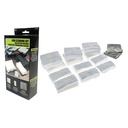
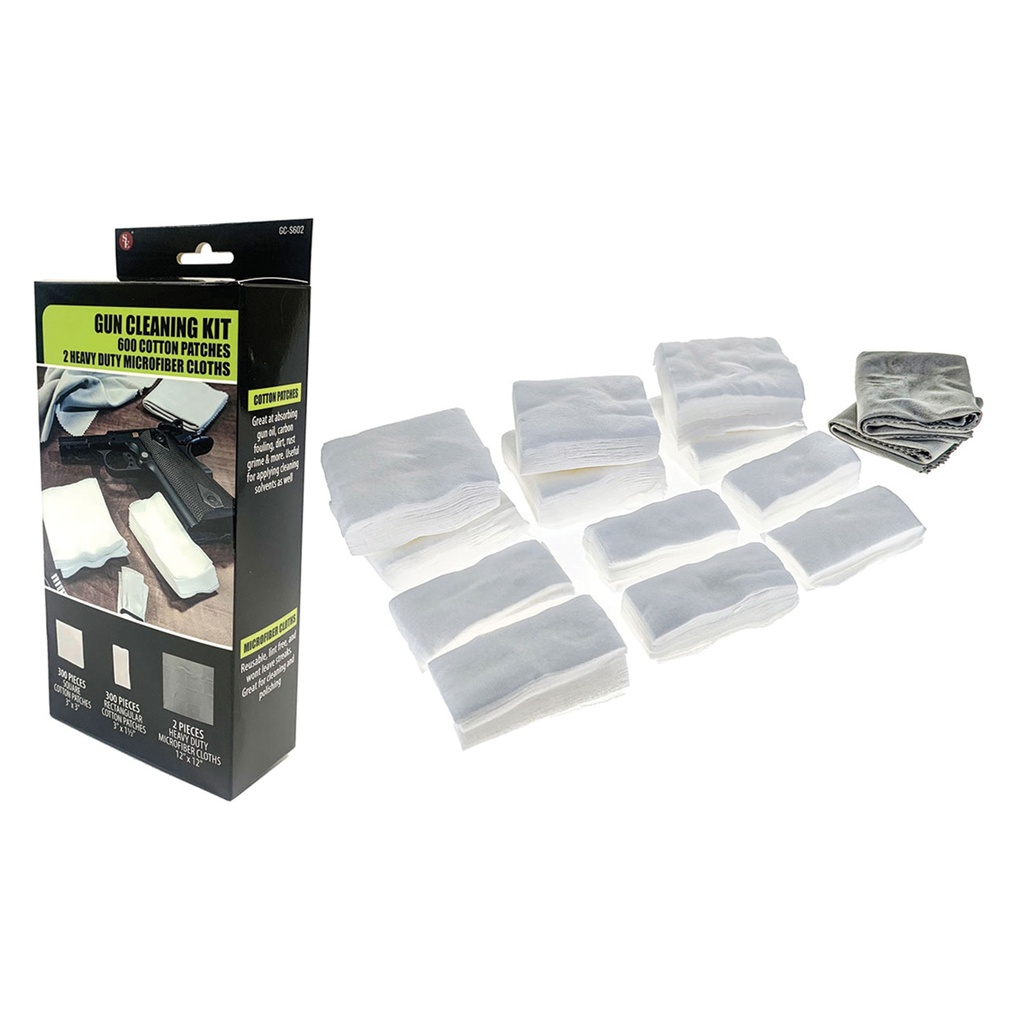
This gun cleaning kit is built for shooters who care about repeatable accuracy. You get 600 high-absorbency white cotton gun cleaning patches in two shapes for solvent application, fouling removal, and oiling, plus two heavy-duty, low-lint microfiber cloths for the final wipe. The bright white patches show exactly what’s coming out of your bore, helping you clean efficiently without wasting solvent. From workbench to range bag, it’s a simple, effective way to keep your firearms consistent and your zero predictable.
What This Gun Cleaning Kit Actually Does for Your Accuracy
This gun cleaning kit is built around one simple idea: a clean, consistent bore helps you maintain a reliable zero. Instead of gimmicks, you get 600 high-absorbency white cotton gun cleaning patches in two shapes, plus two heavy-duty, low-lint microfiber cloths for final wipe-down. The system is straightforward—apply solvent, lift fouling, oil precisely, then finish with a clean, lint-free surface so your firearm runs smoothly and your groups stay predictable.
Why Patch Quality Matters More Than Fancy Gun Cleaning Gadgets
Most gun cleaning kits live or die on their consumables. Rods and jags last for years; patches touch metal every time. That’s where this kit earns its keep. These gun cleaning patches are cut from high-absorbency white cotton, which means they load solvent well, carry fouling out of the bore efficiently, and show you exactly when you’re done. With 600 patches, you can clean regularly without stretching a kit too far or reusing dirty material that just grinds grit back into steel.
The bright white cotton doesn’t just look clean—it gives you feedback. Dark streaks and green or blue smears show you carbon and copper coming out. As the patches push through cleaner, you know your bore is approaching a consistent baseline again, shot after shot.
How This Gun Cleaning Patch Kit Works in a Real Cleaning Session
Real-world use of this gun cleaning kit follows a simple, repeatable sequence:
- Solvent application: Use one of the white cotton gun cleaning patches to apply bore solvent, letting the high absorbency do the work instead of drowning the barrel.
- Fouling lift and removal: Run fresh patches until the heavy fouling is carried out. The two included patch shapes let you match contact better to different calibers and bore diameters.
- Oil placement: Use a clean, lightly loaded patch to lay down a thin, protective film where you need it instead of over-oiling and attracting debris.
- Final wipe: Finish with the heavy-duty microfiber cloths to remove fingerprints, excess oil, and residue from metal surfaces without leaving lint behind.
The result is a firearm that feels smooth to cycle, shows less random shift in point of impact from cold bore to warm string, and is easier to inspect because metal surfaces are clean, not smeared with old grime.
Build Quality Details That Make Cleaning Faster and More Consistent
High-Absorbency White Cotton Patches
The core of this gun cleaning kit is the 600 white cotton patches. They’re designed to be:
- Absorbent enough to carry solvent in and fouling out without dripping or waste.
- Soft but firm so they press into rifling without shredding easily.
- Visually honest—white cotton makes it obvious what you’ve actually removed.
Because there are 600 patches, you’re not tempted to reuse dirty ones. That alone improves your cleaning quality and helps protect the bore over time.
Heavy-Duty, Low-Lint Microfiber Cloths
The two gray microfiber cloths in this gun cleaning kit are there for everything your bore patch doesn’t do. They’re stitched at the edges to resist fraying and built from a tight, low-lint microfiber that won’t leave stray fibers on metal, optics housings, or rails. Use them to:
- Wipe down exterior metal after handling.
- Even out excess oil on slides, receivers, and barrels.
- Clean up solvent drips and bench surfaces.
Over time, this reduces the grime that accumulates in small crevices and keeps your firearm easier to inspect and maintain.
Carry, Storage, and Range-Bag Practicality
This isn’t a fragile, multi-piece bench-only system. The gun cleaning patches and microfiber cloths are boxed in a compact, clearly labeled package that fits in a range bag or on a shelf. The box keeps patches clean and organized instead of loose in a drawer collecting dust. When you’re working from a field kit or range bag, that matters: clean patches in, dirty patches out, no guessing which pile is which.
For shooters who maintain multiple firearms, the high patch count means you can clean pistols, carbines, and shotguns without worrying about running out mid-season. It’s a simple way to keep your maintenance routine regular instead of “whenever I have enough gear left.”
Why This Kit Is a Smart Addition to Any Gun Cleaning Setup
If you already own rods, jags, or pull-through systems, this gun cleaning kit drops in as the consumable backbone—patches and cloths you’ll actually use every time. Rather than buying random bags of mixed-quality patches, you get a consistent, known supply with predictable performance. That consistency is what supports repeatable accuracy and easier troubleshooting.
When your bore starts from a similar level of cleanliness every time, it’s easier to tell whether a shift in point of impact is you, the ammo, the environment, or the gun. That’s the real benefit of a good gun cleaning kit: not just cleanliness for its own sake, but information and consistency for your shooting.
What People Ask Before Buying a Stun Gun for Protection
How effective are stun guns for self defense?
A handheld stun gun for self defense can be effective as a close-contact tool when used with realistic expectations. It doesn’t create distance the way pepper spray does, and it doesn’t “drop” someone instantly like movies suggest. A stun gun works by delivering electrical current through contact points into muscle-rich areas for a sustained contact time—typically several seconds—to cause pain, disorientation, and potentially loss of muscle control. Build quality, amperage, and your ability to access and apply it under stress matter more than any marketing voltage number on the package.
Does voltage or amperage matter more in a stun gun?
Voltage gets the headlines, but amperage does the real work. Voltage is essentially pressure—the force that pushes electricity across the skin barrier. Once that barrier is crossed, it’s the current (amperage) flowing through tissue, combined with contact time and contact area, that determines how disruptive a stun gun is. Extremely high advertised voltages—“millions of volts”—are mostly marketing theater. A well-designed stun gun focuses on safe but effective amperage, solid contact points, reliable batteries, and an ergonomic carry format so you can actually keep it on you and use it correctly.
Is this stun gun legal to carry in my state?
Stun gun legality in the United States is highly state- and city-specific. Some states allow stun guns for personal protection with few restrictions, others require permits, and a few jurisdictions restrict or ban civilian possession altogether. Before you buy or carry any stun gun for self defense, check current laws for your state and local area—state statutes, attorney general guidance, and sometimes city ordinances. Laws change, so rely on up-to-date official sources, not old forum posts, and when in doubt, consult a qualified legal professional.
Practical Preparedness: A Clean, Consistent Baseline for Your Firearms
Good self-reliance starts with equipment you understand and can maintain. This gun cleaning kit doesn’t try to impress with gimmicks; it gives you the foundation pieces you’ll actually use every time you clean. High-absorbency white cotton patches show you when the bore is truly clean, and the microfiber cloths keep surfaces clear of lint and smears. The end result is simple: firearms that are easier to inspect, more predictable to shoot, and supported by a maintenance routine you can repeat without thinking about whether you have the right consumables on hand.
From there, whether you’re shooting for sport, training for defense, or just taking care of tools you rely on, you’re working from a known baseline—not guessing what’s happening inside a dirty barrel.