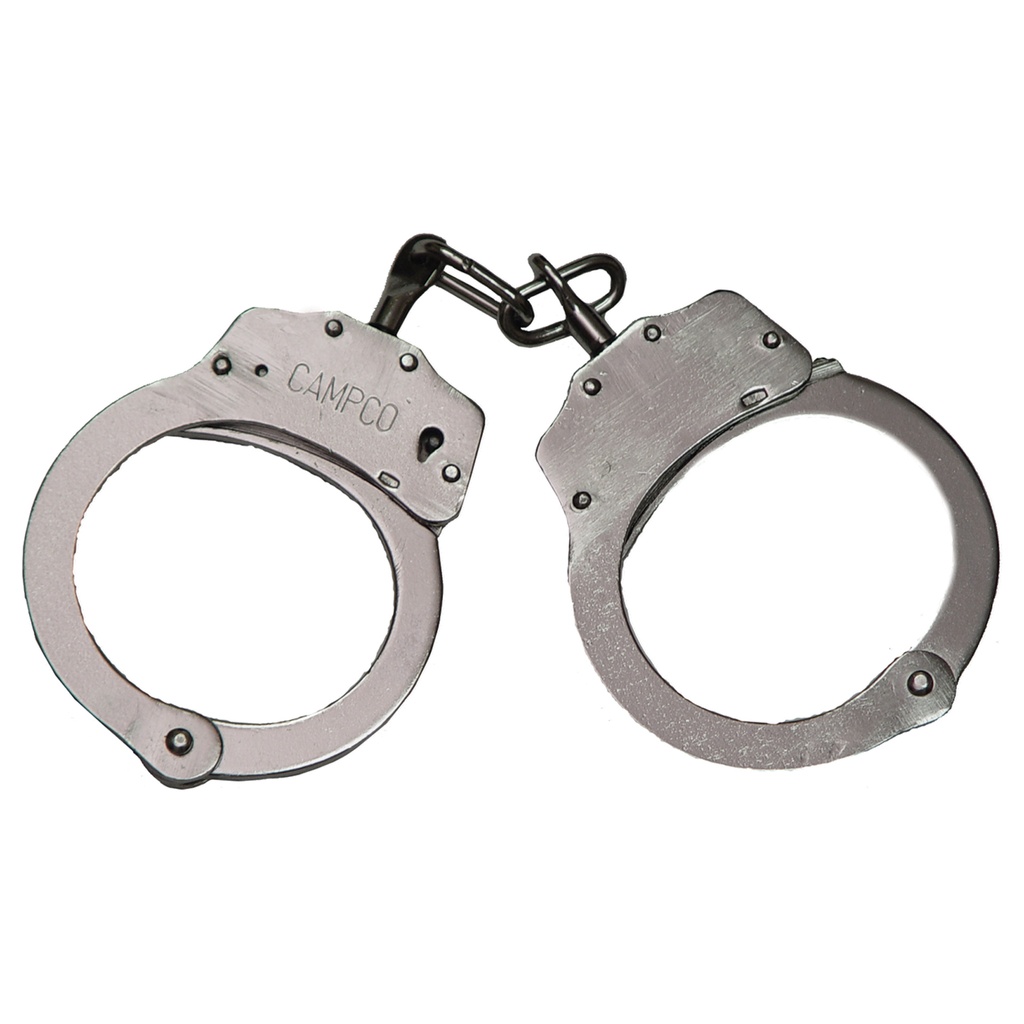
Patrol-Grade Welded Chain Handcuffs - Nickel Steel
13 sold in last 24 hours
Built for real field use, these patrol-grade handcuffs deliver secure restraint without drama. The nickel-plated steel body, welded chain, and double-lock mechanism give you dependable control and help prevent over-tightening once the subject is secured. Compatible with standard police keys used by major brands, they integrate smoothly into existing duty gear. Smooth edges reduce snagging and skin abrasion while the crisp ratchet action provides clear tactile feedback, so you know the cuffs are set and locked when it matters.
Patrol-Grade Handcuffs for Professional Control
These Patrol-Grade Welded Chain Handcuffs are built for the same thing your shift demands every day: quiet, reliable control. Nickel-plated steel, a welded chain, and a positive double-lock give you a duty-ready restraint that feels familiar in the hand and predictable under stress. Whether you work law enforcement, private security, or run a training program, these handcuffs deliver standard, professional performance without unnecessary complication.
How Professional Handcuffs Actually Work in the Field
Good handcuffs are simple by design. Each cuff has a swing arm that ratchets closed around the wrist. As you apply the cuff, the teeth engage a pawl inside the body, allowing the arm to tighten in small increments but not open back up without a key. Once the subject is secured to the appropriate tightness, you engage the double lock. This prevents the swing arm from tightening further and helps protect against nerve compression and over-tightening during transport or movement.
The welded chain between the cuffs provides enough movement for controlled walking and positioning, but not so much that it compromises security. With a standard police keyway compatible with major brands, these handcuffs operate like the cuffs most officers and guards already know, which reduces training time and mistakes when the pressure is on.
Why These Handcuffs Are Reliable for Duty and Training
For restraints, reliability is about more than just looking "tactical." It comes down to predictable operation, consistent locking, and materials that hold up to repeated use. These handcuffs use nickel-plated steel for a balance of strength and corrosion resistance. The plating also provides a smooth surface that reduces friction against uniforms and duty belts.
The welded chain links are a key reliability detail. Welded connections are more resistant to separation and twisting than simple pressed links, which matters when subjects pull, twist, or try to brace against the cuffs. The internal ratchet and pawl mechanism delivers a crisp, audible and tactile click as you apply pressure, giving you feedback so you know exactly how far you’ve gone and when it’s time to set the double lock.
Standard Police Key Compatibility
These handcuffs are designed to work with standard police keys used by major brands. That means you don’t need a special proprietary key on your ring, and agencies or companies can mix them into existing inventories without retraining on a new lock pattern. In an emergency or multi-agency response, that kind of compatibility is more than a convenience—it’s a safety factor.
Smooth Edges and Practical Comfort
While handcuffs are, by nature, restrictive, details like smooth wrist openings and rounded edges reduce unnecessary skin abrasion and snagging on clothing or gear. That’s useful during searches, escorts, and when moving a subject into or out of vehicles. Less snagging means fewer small disruptions and more control.
Carry Reality: How These Handcuffs Ride on Duty Gear
On a duty belt or tactical vest, equipment needs to be predictable. These nickel steel chain handcuffs fit standard handcuff pouches and cases used in law enforcement and security. Their classic profile and chain length slip easily into open-top or covered carriers, allowing officers or guards to index them quickly by feel.
The nickel finish also helps with low-light handling. Under streetlights or interior lighting, the reflective surface gives subtle visual confirmation during application without being excessively bright or flashy. In training environments, instructors can easily see the cuff position and chain orientation, which supports better skill development and critique.
Deployment Under Stress
Under stress, fine motor skills degrade, so simple and familiar mechanisms matter. With these handcuffs, the swing arm opens cleanly, the ratchet engages decisively, and the double-lock port is exactly where experienced users expect it to be. That consistency makes it easier to perform proper cuffing techniques—standing, kneeling, or prone—without having to “think through” the gear.
Double-Lock Mechanism: Control Without Over-Tightening
The double-lock feature is one of the most important details in any duty handcuff. Once engaged, it locks the swing arm in place so it cannot tighten further if the subject flexes or if the cuffs are bumped during movement. This helps reduce the risk of excessive pressure on nerves or circulation, which is both a safety and liability concern.
On these cuffs, the double-lock is accessed through a dedicated port on each cuff body. You use the built-in pin on the back of a standard handcuff key or a double-lock tool to set it. When you later insert the key into the main keyway and turn, the double-lock disengages and then the ratchet opens as normal. That straightforward sequence keeps the process consistent across most professional-brand cuffs and these compatible restraints.
Who These Handcuffs Are Best For
These nickel-plated chain handcuffs are a practical fit for patrol officers, campus and hospital security, private security teams, corrections training, and defensive tactics programs that need reliable, standard-pattern restraints. They’re also suitable for scenario training where you want realistic duty-style cuffs at scale without sacrificing functional features like double-locking and key compatibility.
If your priority is a pair of handcuffs that handle like major law-enforcement brands, integrate with standard keys, and hold up to routine use, these deliver that combination without unnecessary branding claims or gimmicks. They do exactly what restraint gear should do: provide predictable, controlled security.
What People Ask Before Buying Professional Handcuffs
How secure are these handcuffs compared to major brands?
These cuffs use the same core elements you’d expect from major duty brands: a steel body, ratcheting swing arms, a positive double-lock, and a welded chain. For standard law enforcement and security applications where subjects are properly searched and monitored, they provide comparable restraint and control. No handcuff is immune to dedicated tampering or tools, but in normal duty use they deliver professional-level security and reliable performance.
Will these work with the keys my agency already uses?
Yes. These handcuffs are designed around a standard police key profile compatible with major brands. In practice, that means the same keys carried on most duty belts will operate these cuffs, and the included keys will also work with many other standard cuffs. Always verify compatibility with your specific inventory during training, but the intent and typical result is cross-compatibility.
Are chain handcuffs better than hinged restraints?
Chain handcuffs like these offer more flexibility for walking, vehicle seating, and general movement. Hinged cuffs restrict motion more aggressively, which can improve control in some scenarios but can also be less forgiving for transport and positioning. Many patrol officers and security professionals prefer chain cuffs for their balance of control, comfort, and versatility, especially in mixed environments like medical facilities, campuses, or public venues.
Can these handcuffs be used for training?
Yes, these are well suited for defensive tactics, arrest-control, and scenario training. Their standard profile and keyway give students realistic experience with duty-style cuffs, while the double-lock feature allows instructors to teach proper safety protocols. For training, it’s still important to use clear verbal communication, check tightness regularly, and follow your organization’s guidelines to avoid unnecessary injury or strain.
Carry with Confidence, Use with Intention
Professional restraint gear doesn’t need flashy claims—it needs to work the same way every time. These Patrol-Grade Welded Chain Handcuffs are built around that idea: nickel-plated steel, welded chain, double-locking security, and standard police key compatibility. Whether they ride on a duty belt, in a security kit, or in a training room, they give you predictable, field-ready control so you can focus on tactics, communication, and safety—not on wondering whether your gear will keep up.