Shadow Control Duty Handcuffs - Black Steel
4 sold in last 24 hours
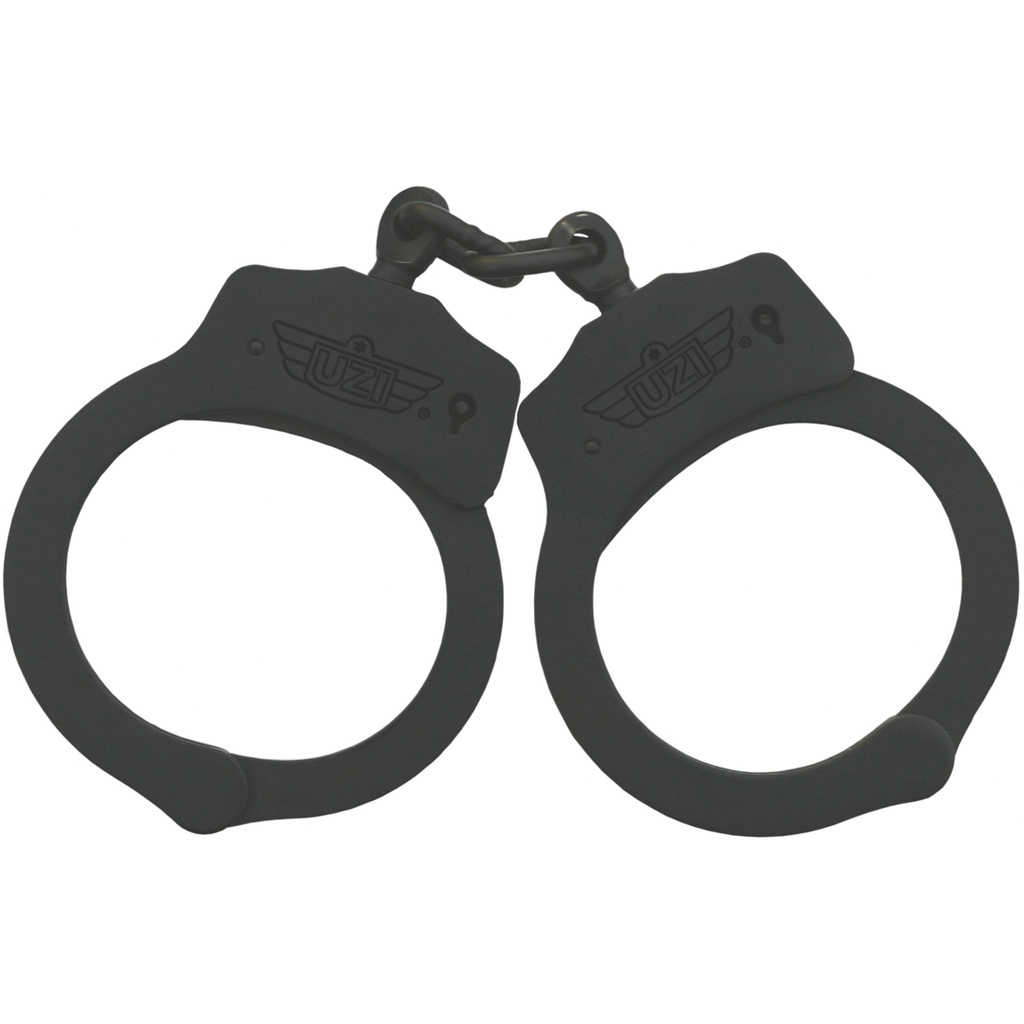
These UZI Shadow Control Duty Handcuffs in black steel are built for serious restraint work, not show. The double-locking mechanism helps prevent over-tightening once secured, while the standard handcuff key compatibility keeps them practical for law enforcement, security, and trained users. The matte black coating cuts glare and maintains a discreet, tactical appearance. Rounded edges are designed for more comfortable wear during transport or extended application, making these cuffs a solid, professional-grade choice for controlled restraint.
Shadow Control Duty Handcuffs for Practical Restraint and Protection
When you choose handcuffs for personal protection, security work, or duty use, you’re not buying a toy. You’re choosing a control tool that needs to work every time, stay secure under stress, and release cleanly when the situation is over. The UZI Shadow Control Duty Handcuffs - Black Steel are designed as professional-style restraints with a double-locking mechanism, standard key compatibility, and a low-profile black finish that fits real-world protection work.
What Makes These Handcuffs Reliable for Security and Control?
Handcuffs are about controlled restraint, not force. The reliability of a pair of cuffs comes down to three things: solid metallurgy, a dependable ratchet and pawl system, and a trustworthy lock. These UZI duty handcuffs use a rigid, linked design with a compact central connector, giving you predictable movement and easier control of the person being restrained.
The double-locking mechanism reduces the risk of the cuffs tightening further once applied, which is important both for safety and for avoiding unnecessary injury. They use a standard handcuff key, which means compatibility with typical law-enforcement style keys rather than a proprietary system. That’s a practical advantage for security professionals and anyone working around multiple restraint tools.
How Professional Handcuffs Work in a Protection Context
Unlike a stun gun for self defense, which focuses on immediate pain compliance and short-term disruption, handcuffs are a follow-up control tool. They’re used once compliance is gained: either through verbal commands, physical control, or with the help of other tools. In plain terms, you don’t start with the cuffs. You use them to maintain safety once the immediate threat is under control.
Each cuff uses a ratcheting arm that clicks through internal teeth. When you close the cuff around the wrist, the pawl engages the teeth and prevents the arm from opening back up without a key. The double lock, typically engaged through a pin or slide, prevents the arm from further tightening under movement or pressure. That double lock is what keeps the cuffs from gradually cinching down and causing nerve or circulation damage during transport or longer-term restraint.
Build Quality Details That Matter Under Stress
Double-Locking Mechanism for Safer, More Controlled Restraint
The double-locking feature is not a gimmick; it’s a key safety component. Once the cuffs are applied to a proper fit—secure but not cutting off circulation—you engage the double lock to freeze the setting. This helps protect the person in custody from over-tightening due to movement, while also signaling that the cuffs have been correctly set. It’s a standard expectation on professional-grade handcuffs and an important feature if you’re using them in any serious protection role.
Standard Handcuff Key Compatibility
These UZI handcuffs use a standard handcuff key, which is exactly what most police, security, and corrections equipment is built around. That means you’re not locked into a single brand for key access, and you’re far less likely to be stuck without a way to remove the cuffs in an emergency. For anyone using them around other professionals or in a workplace setting, this compatibility is a practical, safety-focused advantage.
Matte Black Coating with Tactical, Low-Glare Finish
The black coating is more than just a cosmetic choice. A matte, low-glare finish is less visually distracting, doesn’t flash light the way bright metal does, and blends better with duty or security uniforms. For night-shift work, private security, or any environment where you don’t want reflective gear drawing attention, this blacked-out design fits the job.
Who These Handcuffs Are For (and Not For)
These are professional-style handcuffs intended for law enforcement, security personnel, and trained individuals who understand safe restraint. They’re also suitable for serious tactical gear enthusiasts or collectors who want functional, real-duty equipment rather than novelty metal.
They are not a stand-alone self-defense solution like a stun gun for self defense or pepper spray. If you’re looking for the best stun gun for personal protection, your priority is stopping or disrupting an immediate threat. Handcuffs are what you use once that threat is controlled, not what you reach for first when someone is actively attacking you.
Carrying and Deploying Handcuffs in Real Situations
For duty or security carry, these UZI cuffs ride well in a standard belt-mounted cuff case or pouch. The linked design keeps the profile compact while still allowing enough articulation to apply them from various control positions. In real-world use, the key skills are:
- Applying the cuffs quickly and cleanly once you have compliance
- Checking for circulation and fit (no sharp pain, no discoloration)
- Engaging the double lock as soon as they’re properly set
- Maintaining control of your keys at all times
For non-law enforcement users, it’s important to understand your local laws before carrying or using handcuffs. Even if they’re legal to own, misuse can create serious legal and civil consequences. These are not props—they’re control tools with real responsibility attached.
What People Ask Before Buying a Stun Gun for Protection
How effective are stun guns for self defense?
A stun gun for self defense can be effective as a close-contact tool for pain compliance and short-term disruption, especially when used on major muscle groups and held in place for more than a momentary touch. What actually matters is amperage (current), contact time, and where you make contact—not the inflated “million volt” marketing numbers. A good stun gun is a disruption tool, not a magic off-switch. It works best when paired with awareness, distance management, and a plan to break contact and move to safety.
Does voltage or amperage matter more in a stun gun?
Voltage gets all the marketing headlines, but amperage is where real effectiveness lives. Voltage is the pressure that pushes electricity across a gap; amperage is the amount of current actually flowing through the target. Once a stun gun has enough voltage to arc through clothing and skin oil, more advertised voltage doesn’t translate to more real-world stopping power. What matters is controlled, safe amperage, decent contact area, and the ability to maintain contact for a solid second or more. Whenever you see “X million volts” without any mention of current, you’re looking at marketing, not meaningful data.
Is this stun gun legal to carry in my state?
Stun gun and restraint laws vary widely by state and sometimes by city. Some states treat a stun gun for self defense like any other defensive tool; others restrict where you can carry it, who can own it, or require permits. Handcuffs may be legal to own but can raise legal questions if used outside a legitimate security, law-enforcement, or clearly justified self-defense context. Before you carry either a stun gun or professional handcuffs, check your state statutes and local ordinances, and when in doubt, consult an attorney or qualified legal resource.
Carrying Protection Tools with Competence, Not Hype
Whether you’re choosing a stun gun for self defense, duty-grade restraints like these UZI Shadow Control Duty Handcuffs, or any other protection tool, the goal is the same: calm control, not drama. These handcuffs give you a professional double-lock system, standard key compatibility, and a discreet black finish that fits real-world restraint work. Paired with training and a clear understanding of your legal responsibilities, they can be a solid part of a broader personal protection or professional security setup.
The more you strip away the marketing and focus on how tools actually work—mechanically, legally, and under stress—the better your decisions become. That’s where real personal protection starts.