Vivid Custody Double Locking Handcuffs - Pink Steel
6 sold in last 24 hours
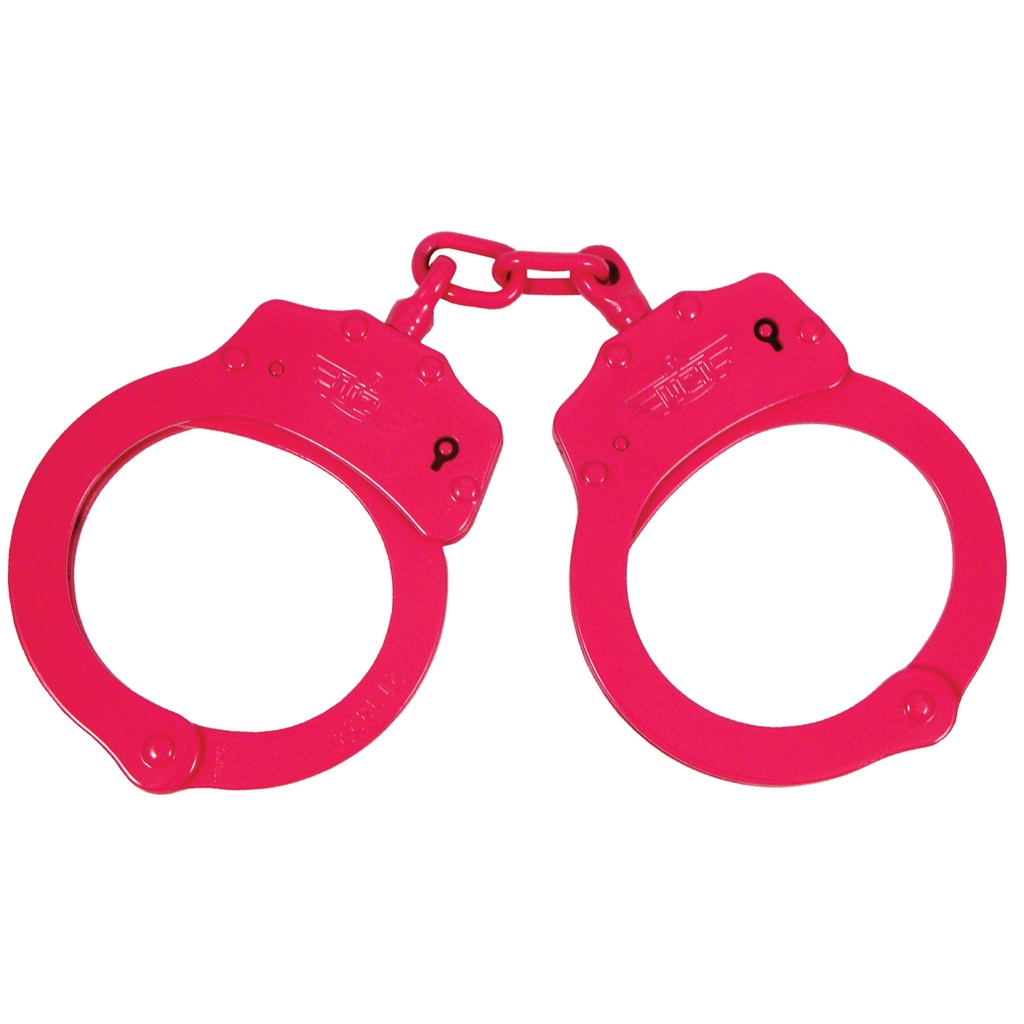
These UZI Vivid Custody Double Locking Handcuffs in pink steel deliver professional-style restraint with standout visibility. The double locking mechanism helps prevent over-tightening once applied, while the standard handcuff key design keeps them compatible with most duty setups. Their bright pink, glossy finish makes them easy to identify in training environments, security kits, or themed gear collections. Solid metal construction, chain-linked cuffs, and engraved UZI logos combine recognizable tactical form with a distinct, personalized color choice.
What These UZI Double Locking Handcuffs Actually Do
These UZI Vivid Custody Double Locking Handcuffs in pink steel are professional-style metal restraints with a high-visibility twist. Same basic mechanism you’d see in duty-grade cuffs: swing-through ratcheting bracelets, central chain, and a true double-lock function to help prevent over-tightening. The difference is the bright pink finish, which makes them easy to spot in a bag, on a belt, or in a training environment while still looking and functioning like serious gear.
Professional Handcuff Design, High-Visibility Pink Finish
Functionally, these are classic chain-link handcuffs: each cuff swings through and ratchets down to fit the wrist, then can be double-locked using the pin on a standard handcuff key. That second lock helps keep the cuffs from cinching tighter during movement, which is important for safety and comfort in extended restraint.
The pink, glossy metal finish does two practical things. First, visibility: bright pink is easy to locate quickly in a bag or kit. Second, differentiation: in mixed gear environments—training, venue security, or club staff—the color makes it clear whose cuffs are whose and separates them visually from standard law-enforcement equipment.
Standard Key Compatibility
These handcuffs use a standard handcuff key, the same general profile common across many law-enforcement style cuffs. That means you don’t have to manage a proprietary key system just to use or store them. The double-lock pin is also actuated with the same key, keeping operation simple and predictable.
Chain-Link Flex for Practical Use
The short central chain gives just enough movement between the cuffs to position hands behind or in front of the body as needed. For security, training, or controlled scenario work, that small amount of flex reduces torque on the wrists compared with rigid hinges, while still maintaining control.
Build Quality and Restraint Reliability
With restraint equipment, reliability is about mechanical consistency more than anything else: do the cuffs close smoothly, stay locked, and release when you want them to? These UZI double locking handcuffs are built around a metal body with a familiar ratcheting pawl system. The swing-through design lets you apply them quickly without fumbling for an exact starting notch, then the teeth engage and hold under tension.
The pink finish is a coating over the metal, not a plastic shell, so you’re still getting a solid metal restraint underneath the color. Riveted construction at stress points and the traditional chain-link connection keep the overall profile compact and recognizable, which is important if you share gear or operate in mixed teams where others may handle your equipment.
Double Locking for Safer, More Controlled Restraint
The double locking mechanism is the key safety feature here. After you’ve tightened the cuff to the right size, you engage the double lock through the keyhole with the point of the key. That locks the internal bar in place so the cuff won’t ratchet tighter under movement. For lengthy application, training drills, or repeated practice scenarios, that double lock helps reduce the risk of pinching or circulation issues from unintended tightening.
Where These Cuffs Fit in a Protection or Training Setup
If you’re building out a personal protection, security, or training kit, these pink handcuffs sit in the restraint category alongside items like duty belts, gloves, and flashlights. They aren’t a self-defense tool in the active sense like a stun gun or pepper spray; they’re for control and custody after a situation is already contained. That distinction matters: cuffs are about managing someone who is already under control, not about stopping an attack in progress.
Carry and Use: Practical Considerations
In real-world use, any restraint tool has to be accessible, easy to handle under stress, and simple to verify as locked. These UZI double locking handcuffs check those boxes through familiar form factor and operation. Their compact chain-linked design fits standard handcuff cases or pouches, and the bright pink color gives you a quick visual confirmation that you’ve grabbed the right item when you reach for your gear.
Deployment is straightforward: swing the cuff across the wrist, let it ratchet down to a snug but not constricting fit, then engage the double lock to prevent further tightening. To remove, release the double lock with the key, then back the cuff off using the same key in the main keyway. Simple, repeatable steps matter more than looks—and this design prioritizes that familiar, proven sequence.
How These Handcuffs Compare to Other Restraint Options
Compared with rigid or hinged cuffs, chain handcuffs like these offer a bit more comfort and flexibility at the wrists, which can be important in training scenarios or longer-term application. The double lock places them in the same safety category as many duty-grade restraints, while the pink coating clearly sets them apart from standard issue gear.
For security staff, event personnel, or instructors who want clear visual separation between training and operational equipment, or who simply prefer a more distinct, less intimidating look, this pink finish provides that without changing the actual mechanics of restraint. You get recognizable UZI branding, standard key compatibility, and a traditional double-lock layout wrapped in a standout color.
What People Ask Before Buying a Stun Gun for Protection
Even though this product is a pair of handcuffs, a lot of people shopping for personal protection gear are also researching options like a stun gun for self defense. These are different tools with different purposes: a stun gun is an active defensive tool meant to disrupt an attack; handcuffs are for control and restraint after someone is already compliant or contained. The questions below focus on stun guns because they’re a common companion purchase in the personal protection space.
How effective are stun guns for self defense?
A stun gun for self defense can be effective in very specific conditions: close range, good contact, and enough time on target. They work by delivering electrical current through exposed metal contact points into the attacker’s body. That current can cause pain, muscle contraction, and confusion, sometimes buying you a few seconds to escape. They are not magic off-switches. Clothing can reduce effectiveness, low-quality devices may not deliver enough current, and poor technique—like quick, light taps instead of firm, sustained contact—reduces results. Used realistically, alongside movement, verbal boundary setting, and an escape plan, a well-built stun gun is a useful part of a broader personal protection strategy, but it should never be the only layer.
Does voltage or amperage matter more in a stun gun?
Voltage sells, amperage stops. Those “million volt” numbers you see are mostly marketing. What actually matters is current (amperage), contact time, and contact area. You need enough current delivered through the attacker’s body for long enough to create meaningful pain and disruption. Once voltage is high enough to arc across clothing and skin, increasing it further doesn’t make the stun gun drastically more effective in real terms. A solid stun gun for self defense focuses on consistent current output, robust internal components, quality batteries, and a good contact design, not inflated voltage claims. When you shop, look for build quality, reputable brands, and honest specs rather than the biggest number on the package.
Is this stun gun legal to carry in my state?
Stun gun legality in the U.S. is state- and sometimes city-specific, and laws change. Some states treat a stun gun like other defensive tools with relatively few restrictions, others require permits, and a few have tighter controls or local bans. Before you buy any stun gun for personal protection, check three layers: state law, your local city or county ordinances, and any policies that apply to your workplace, campus, or housing. Look for terms like “electronic control device,” “conducted energy weapon,” or “stun gun” in your state statutes. When in doubt, consult a current legal resource or local attorney. Handcuffs like these pink UZI restraints may also fall under specific rules in some environments (schools, airports, certain venues), so it’s worth confirming what applies to your situation.
Building a Practical Personal Protection Setup
Effective personal protection isn’t about collecting the most intimidating-looking gear; it’s about choosing tools you understand, can legally carry, and can use reliably under stress. A stun gun for self defense, if you decide to carry one, is for close-range disruption. Handcuffs like these UZI pink double locking restraints are for controlled custody after the fact, in appropriate contexts such as security work, training, or specific role-based scenarios.
What ties everything together is competence: knowing what each tool does, what it doesn’t do, and where it fits. These handcuffs give you a familiar, double-locking restraint option with standout visibility and standard key operation. Pair that with honest research into any stun gun for personal protection you’re considering—focusing on current output, build quality, and realistic use—and you end up with a calmer, more informed approach to safety. Less hype, more understanding, and tools you can actually work with when it matters.