Silent Threshold Wedge Door Stop Alarm - Black/Silver
7 sold in last 24 hours
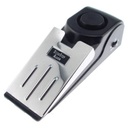
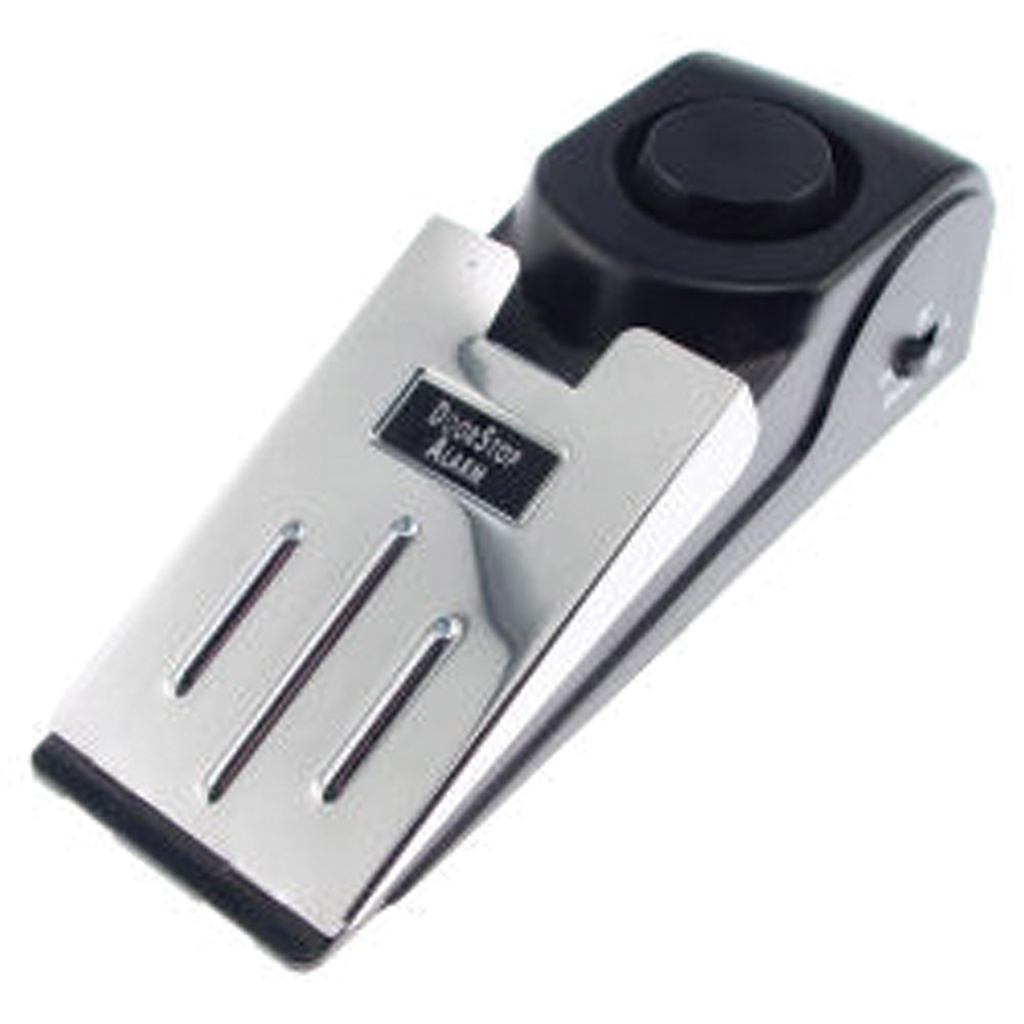
This is the door stop alarm people actually use, not just pack. Slide the wedge under a hinged door, switch it on, and any forced opening drives the pressure plate down, firing a sharp 118dB siren and jamming the door at the same time. The textured base grips most floors, and the compact size disappears into a bag, backpack, or carry-on. For travel, dorms, apartments, or night shifts, it’s a simple, portable way to claim a room as yours.
Practical Room Security: What This Door Stop Alarm Actually Does
This isn’t a whole-house security system, and it doesn’t pretend to be. The Silent Threshold Wedge Door Stop Alarm is a compact, travel-friendly alarm you place under a hinged door to give you one critical advantage: instant, loud notice if someone tries to come through your door, and added resistance that makes that entry harder.
Slide the wedge under the door, flip the switch, and you’ve turned that room into your space. If anyone pushes the door in, the pressure plate drops, the 118dB siren fires, and the rubber wedge digs into the floor to slow or stop the door. It’s simple, physical, and effective for personal protection in dorms, apartments, hotel rooms, rentals, or shared housing.
How a Wedge Door Stop Alarm Works for Personal Protection
A wedge door stop alarm is straightforward, which is why it’s trusted by travelers and night-shift workers. It doesn’t rely on Wi‑Fi, apps, or a monitoring contract. It relies on three things working together:
- Mechanical block: The wedge shape bites under the bottom of the door. When the door is pushed, the door edge rides up the wedge, driving it harder into the floor.
- Pressure trip-plate: As the door presses down on the top plate, it pivots or depresses a small internal switch.
- Audible alarm: That switch triggers the internal 118dB siren, which is loud enough to startle, wake, and draw attention in small to medium rooms.
For personal protection, that combination matters more than any smart-home feature: you get early warning, time to react, and psychological pressure on the intruder, who now knows they’ve lost the element of surprise.
Why This Specific Door Stop Alarm Is Reliable
With personal safety gear, reliability beats clever marketing every time. The Silent Threshold Wedge Door Stop Alarm is designed to be a simple, repeatable step in your self-defense and protection routine: drop it, wedge it, switch it on.
118dB Siren for Real-World Disruption
118dB is in the range of a loud rock concert or a motorcycle at close distance. In a closed room, that’s more than enough to:
- Wake most sleepers in the room and nearby rooms
- Startle and disorient someone trying the door
- Draw attention from neighbors or hotel staff
Is it a magic force field? No. But it’s noisy enough that most intruders will break off quickly rather than continue fighting a door that’s screaming at them.
Floor Grip and Wedge Geometry That Actually Bite
The front edge of the device is a rubberized pad that grips against both the door and the floor. As pressure increases, the wedge is driven down and back, increasing friction. That physical resistance is what turns an easy door push into a struggle. On smooth tile or wood, it still helps; on carpets and rugs, you’ll usually get even more bite.
Carry Reality: How to Use This Alarm Day to Day
A personal protection tool only works if you actually carry and use it. This wedge door stop alarm is designed for that reality.
- Travel: Toss it into your carry-on or backpack. When you reach the hotel or Airbnb, place it under the main door as part of your unpacking routine.
- Dorms and apartments: Keep it near the door, on a shelf or by your bed. Before sleeping or showering, slide it into position and flip the switch on.
- Night shifts: If you rest in a break room or on-call space with a standard hinged door, this becomes your quick, portable layer of awareness.
It’s freestanding—no drilling, no adhesive, no landlord issues. When you leave, it leaves with you.
Build Details That Matter When You Rely on It
Simple On/Off Switch You Can See and Feel
A side-mounted slide switch controls the alarm. That makes it easy to confirm status by touch or a quick glance. No tiny recessed buttons, no guessing whether it’s armed. For self-defense and protection gear, that kind of clarity matters.
Compact, Neutral Design That Blends In
The black/silver body with minimal text and simple grooves looks like what it is: a small, modern security gadget. It doesn’t scream “tactical,” which is useful in shared housing, dorms, or travel where you don’t want to advertise that you’re worried about security.
What People Ask Before Buying a Stun Gun for Protection
How effective are stun guns for self defense?
A handheld stun gun is a close-contact tool. Despite the million-volt marketing, what matters for self-defense is amperage (current), contact time, and where you touch. A realistic view:
- Best use: As a pain-compliance or distraction tool at contact range, usually combined with movement, escape, or follow-up tactics.
- Limits: It’s not a movie-style “zap and they instantly drop” device, especially through heavy clothing.
- Training: You need to know how to access it quickly, maintain contact under stress, and when to disengage and get away.
For many people, combining a stun gun with environmental tools like this door stop alarm creates a layered personal protection plan: early warning, distance, and a last-ditch contact option.
Does voltage or amperage matter more in a stun gun?
Voltage is what gets the current from the stun gun into the body. Amperage (current) is what actually does the work. Most “10 million volt” claims are marketing noise—after a certain point, more advertised voltage doesn’t translate to more real-world effectiveness.
What matters more for a stun gun used for self defense:
- Reliable current output in the effective range (measured in milliamps)
- Good contact area so the electricity actually transfers
- Battery quality so it doesn’t fade when you need it
- Ergonomics so you can keep it on target for more than a fraction of a second
When you see wild voltage numbers without clear current specs or realistic testing, assume it’s marketing. Look for build quality and honest documentation instead.
Is this stun gun legal to carry in my state?
Stun gun legality in the U.S. is very state- and city-specific. Many states allow stun guns for personal protection with minimal restrictions; others require permits, and a few local jurisdictions restrict or ban them.
General framework to follow:
- Check state law: Look up your state’s statutes on “electronic control devices” or “stun guns.”
- Check city/college rules: Some cities, transit systems, and campuses have stricter rules than the state.
- Travel: If you cross state lines or fly, verify rules at both your origin and destination, plus airline policy if applicable.
This door stop alarm, by contrast, is generally legal almost everywhere because it’s non-contact and non-weaponized—it’s an alarm and a physical door wedge. That makes it a very low-friction way to add security in places where weapon-style tools are restricted.
Putting It Together: A Calm, Layered Approach to Personal Protection
Real self-defense isn’t about one magic tool. It’s about layers: awareness, time to react, and options if someone ignores your boundaries. The Silent Threshold Wedge Door Stop Alarm fits into that system as an early-warning and delay tool you can use almost anywhere with a standard hinged door.
Use it to claim a room when you travel, to sleep more confidently in a dorm or apartment, or to add a simple layer of security on night shifts. No apps, no contracts, no drama—just a compact wedge that lets you hear trouble before it’s at your bedside and forces an intruder to fight past both noise and resistance. That quiet, practical preparedness is what real personal protection looks like.