Barracks Lifesaver Field-Ready First Aid Manual - Yellow Cover
12 sold in last 24 hours
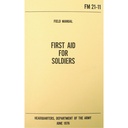
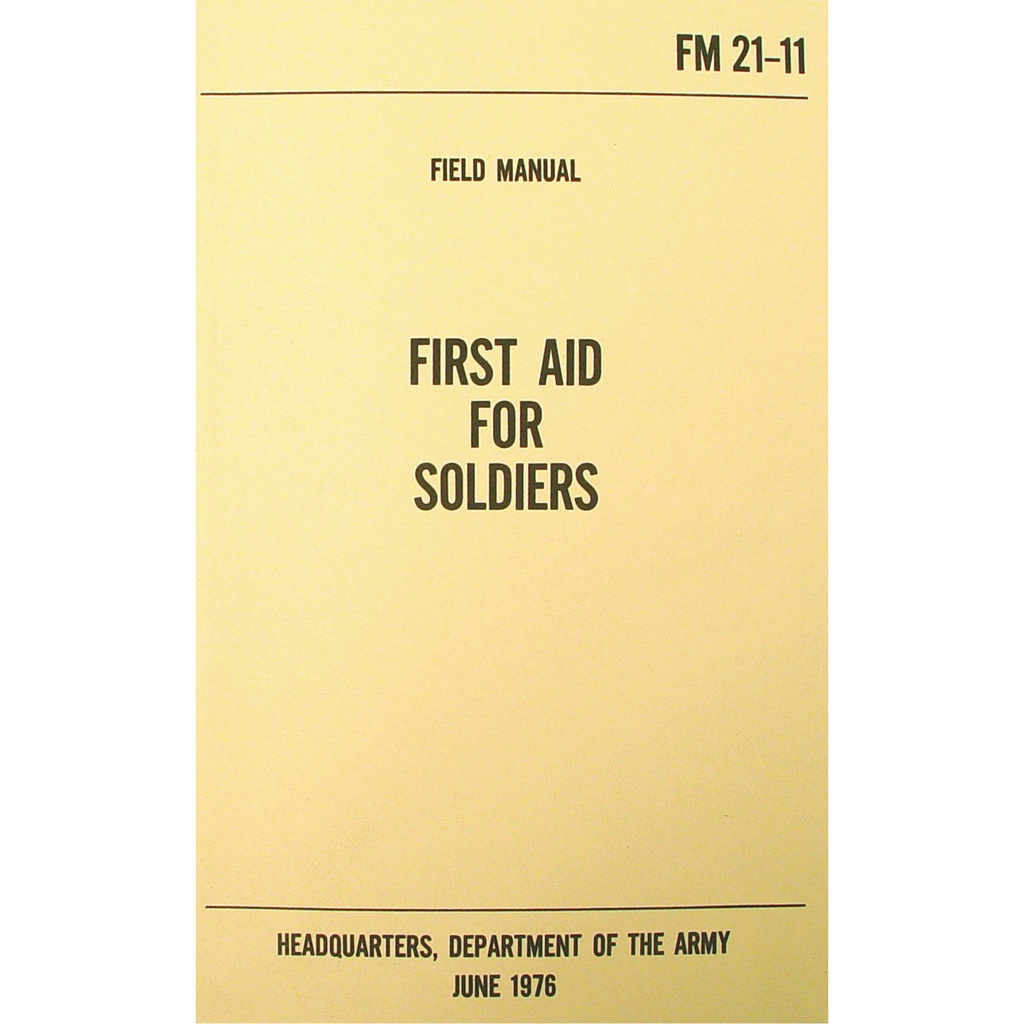
This isn’t a coffee-table book—it’s a barracks-ready first aid manual built for real emergencies. The Barracks Lifesaver Field-Ready First Aid Manual is an authentic reprint of the 1976 U.S. Army “First Aid for Soldiers” field manual, written in clear, step-by-step language for bleeding, shock, burns, and injuries. The bold yellow cover stays easy to spot in a pack, kit, or glove box when stress is high and seconds count. Simple, durable, and practical—this is first aid you can actually use when it matters.
Barracks Lifesaver: A First Aid Manual Built for Real Emergencies
This manual was never meant to look pretty on a shelf. The Barracks Lifesaver Field-Ready First Aid Manual - Yellow Cover is an authentic reprint of the 1976 U.S. Army “First Aid for Soldiers” field manual, designed for soldiers under stress, in bad light, with limited gear. That makes it just as useful today for anyone who takes practical preparedness seriously—whether you’re building a home kit, outfitting a range bag, or stocking a duty vehicle.
Why This Military First Aid Manual Still Matters
Modern emergency medicine has evolved, but the fundamentals of keeping someone alive in the first few minutes haven’t changed: control bleeding, protect the airway, prevent shock, and avoid making things worse. This manual focuses on exactly that. It strips away theory and gives you clear, direct steps for immediate first aid when professional help is still minutes—or miles—away.
Because it was written for soldiers, the instructions are built around chaos: limited supplies, environmental hazards, and high stress. That makes it a strong fit for real-world use, not just classroom scenarios. It won’t turn you into a medic, but it will give you a calm, methodical framework when everyone else is panicking.
Inside the Field-Ready First Aid Content
The manual covers core first aid topics in plain, direct language. Expect clear instructions on:
- Bleeding control, including pressure, bandaging, and basic tourniquet concepts
- Treating shock and recognizing when someone is deteriorating
- Burns, fractures, and common field injuries
- Improvised methods using what you actually have on you
- Basic emergency care priorities when multiple people are hurt
There’s no marketing fluff here—just the kind of structured, step-by-step guidance that was written to be followed under stress by people who might be tired, scared, and under fire. That same clarity is exactly what you want in a glove box, range kit, bug-out bag, or workplace emergency station.
Built Like a Tool, Not a Coffee-Table Book
Visually, this first aid manual is pure function. The bright yellow cover makes it easy to spot in a bag or on a crowded shelf, and the minimalist black text mirrors the original U.S. Army field manual style. It looks like what it is: an official, working reference meant to be used and abused.
High-Visibility Yellow Cover for Fast Access
In an emergency, you don’t want to dig through dark covers and tiny titles. The solid yellow front and bold black “FIRST AID FOR SOLDIERS” text stand out immediately. Whether it’s tossed into a vehicle compartment or buried in a gear bin, that color does exactly what it’s supposed to do—get noticed when time is tight.
Compact Softcover Format for Kits and Bags
The softcover build is intentional. It’s light, packable, and fits easily into medical pouches, ammo cans, duty bags, and home kits. Hardcovers look nice but waste space and add weight. This format favors practicality: carry it everywhere, not just store it.
Who This First Aid Manual Is Really For
This field manual fits anyone who values practical, tested information over glossy diagrams and buzzwords:
- Preparedness-minded homeowners who want a straightforward, repeatable first aid reference next to their supplies.
- Range owners and shooting clubs who need reliable, no-nonsense first aid guidance on hand for accidents.
- Security personnel and night-shift workers who may be first on scene before EMS arrives.
- Military enthusiasts and trainers who appreciate official-style doctrine and use it for instruction or drills.
If you like tools that just work and information that respects your intelligence, this fits right in with tourniquets, pressure bandages, and gloves in your kit.
How to Actually Use a Field Manual Under Stress
A book doesn’t help if you only open it after something goes wrong. The real value here comes when you treat this manual like a training partner:
- Read it once before you need it. You don’t have to memorize every page—just get familiar with the layout and key sections.
- Tag critical pages. Use tabs or tape to mark bleeding control, shock, and airway sections so you can jump there fast.
- Practice with it. Run simple drills: “Someone’s bleeding—what does the manual say?” Repeat until the steps feel natural.
- Keep it with the gear. Store the book wherever your first aid supplies live. If you reach for one, the other should be within arm’s length.
The best first aid gear combines equipment and knowledge. This manual is the knowledge side—portable, durable, and written to be applied in the field.
What People Ask Before Buying a First Aid Manual
How effective is this compared to an online first aid course?
An online course is excellent for learning, but it doesn’t ride in your truck, pack, or range bag. This manual won’t replace hands-on training, but it does something a class can’t: it stays with you wherever your gear goes. In an actual emergency, memory fades under stress. Having a simple, field-tested reference you can flip open quickly is a big advantage, especially for people who don’t use their skills every day.
Is the information too old to be useful?
This is a 1976 U.S. Army first aid field manual, so some medical details reflect its time. However, the foundational priorities—control major bleeding, protect the airway, prevent shock, and avoid further injury—remain valid and align with modern emergency response principles. For advanced, current medical protocols, pair this with updated training from recognized providers. For practical, step-by-step basics in a crisis, this manual still does its job well.
Can this replace a modern civilian first aid book?
Think of it as a complement, not a replacement. Civilian books can go deeper into medical theory and newer techniques. This manual is different: it’s built around simple, robust actions that non-medical people can execute with limited gear. Many buyers keep both—one for detailed study at home, and this Army-style manual as the rugged, always-with-you reference in the actual kit.
Is this suitable for beginners with no medical background?
Yes. It was written for soldiers with varying levels of training, which means plain language, direct instructions, and a focus on clear actions over complex terminology. If you can follow a checklist, you can follow this manual. You may need to look up unfamiliar terms the first time you read it, but in an emergency, the step-by-step layout is easy to apply.
Practical Preparedness: Turning a Book into Capability
Owning a first aid manual doesn’t magically make you ready; using it does. The Barracks Lifesaver Field-Ready First Aid Manual - Yellow Cover gives you a structured, field-tested way to think through emergencies when your heart rate is up and fine motor skills drop. Pair it with a basic kit—gauze, bandages, tape, gloves, a tourniquet—and you’ve moved from “I hope someone knows what to do” to “We have a plan, in writing, within reach.”
That shift—from wishful thinking to practical readiness—is exactly what this kind of military first aid manual is built for. Simple, visible, and rugged enough to live where real problems happen: in trucks, kits, barracks, workshops, and range bags.