Special Forces Incendiary Systems Manual Book - Black
3 sold in last 24 hours
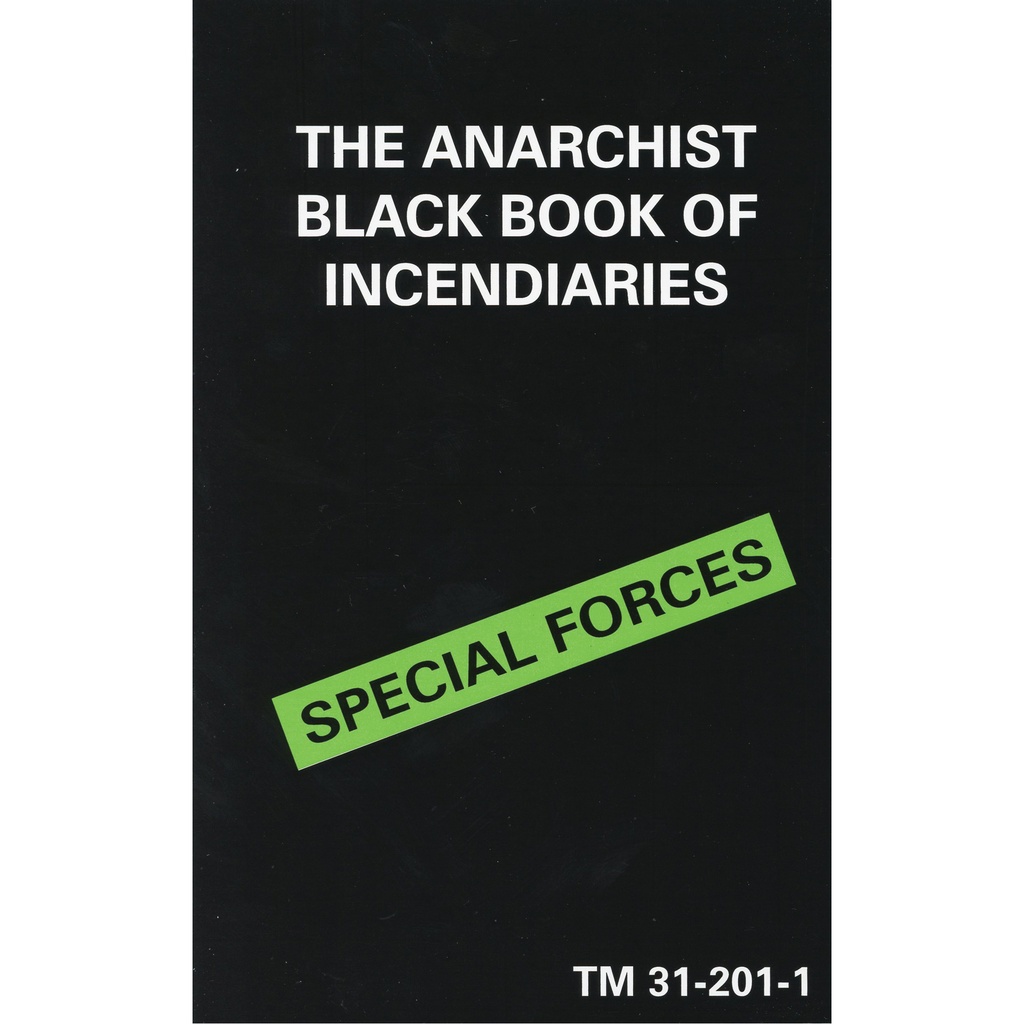
This Special Forces Incendiary Systems Manual Book - Black is a compact, 155-page reference that compiles military-style material on historic incendiary tools, systems, and field-expedient mixes. Presented in a technical manual format with illustrations, it reads like a doctrinal overview, not a glossy how‑to. Ideal for collectors of military manuals, researchers, and serious students of historical ordnance literature who want to understand how special operations thinking approached incendiary materials, fuses, and delivery systems in the field.
What This Incendiary Systems Manual Actually Is
The Special Forces Incendiary Systems Manual Book - Black is laid out like a military technical manual: plain cover, coded designation, and dense diagrams. It is best treated as a historical and doctrinal reference on how incendiary systems, fuses, and field-expedient mixtures have been described in older special operations and military-style literature. It is not a stunt gun for self defense, a quick-fix protection tool, or a modern tactical how‑to. It’s a compact window into how professionals once documented incendiary concepts on paper.
How This Manual Is Structured and What It Covers
Inside the 5.5" x 8.5" paperback, you get 155 pages packed with diagrams, formulas, and procedural-style text. Chapters walk through incendiary systems tools and techniques, initiators, fuse cord, improvised string fuse concepts, and related sub‑systems. Other sections touch on mixtures such as sugar‑chlorate combinations, thermite adjuncts, and historical references to napalm-style blends, paraffin–sawdust fillers, and traditional fire bottles.
The writing style mirrors a field manual: clipped, procedural sentences, stepwise breakdowns, and illustration‑driven explanations. For the reader, that makes it less like a narrative book and more like a technical binder—something you study, annotate, and cross‑reference alongside other military manuals and historical ordnance documents.
Why People Buy This Instead of a Typical Survival Book
Most mainstream survival or self-defense titles gloss over the technical side of incendiary systems. This manual goes in the opposite direction: it dives into the mechanics, nomenclature, and methodical breakdown of components and configurations. That makes it appealing to collectors, researchers, and serious students of military history.
If you’re the type of reader who wants primary‑source style material, not a watered‑down summary, this book fits that niche. It offers a granular look at how earlier special operations training and doctrine approached ignition systems, fuse options, and fuel materials—valuable context for understanding how modern ordnance and counter‑incendiary tactics evolved.
Build, Format, and Usability as a Reference Manual
Physically, the book is designed to be rugged enough for repeated reference, note‑taking, and study sessions. The compact 5.5" x 8.5" size rides easily in a backpack or on a shelf alongside other field manuals, and the matte black cover doesn’t scream for attention.
Field‑Manual Style Layout
The layout follows a technical manual logic: sectioned chapters, clearly labeled diagrams, and procedural lists. That format is ideal if you’re cross‑referencing with other military texts, building a research library, or using it as a visual supplement when studying older ordnance concepts. You can quickly flip to sections on fuse systems, incendiary materials, or specific types of ignition techniques without wading through filler.
Illustrations and Technical Detail
Illustrations are central to how this book communicates information. Instead of generic stock art, it leans on line drawings and schematic‑style images to highlight how tools, fuse cord, containers, and mixtures are arranged and deployed in the abstract. For someone analyzing structure and method—not looking for entertainment—that visual clarity is more valuable than lengthy prose.
Responsible Use, Legal Awareness, and Context
This kind of material is sensitive by nature. Laws on possession, use, and even intent related to incendiary devices and materials vary widely by jurisdiction, and in many places are extremely strict. This manual is sold as an informational and historical reference only, and it is your responsibility to understand and comply with all applicable local, state, and federal laws.
If you are a researcher, academic, or collector, you likely already approach this type of content with care: keeping it as part of a broader study of military history, counter‑terrorism, or emergency response. Treat it the same way you would treat any other technical ordnance reference—something to understand, document, and contextualize, not to replicate.
Who This Manual Is For
This book is not aimed at someone looking for the best stun gun for personal protection or an everyday self-defense gadget. It belongs in the library of readers who:
- Collect military and special forces style technical manuals
- Study historical ordnance, improvised munitions, or counter‑incendiary tactics
- Work in security, emergency services, or defense analysis and want context on older doctrine
- Prefer primary‑source style documents over derivative summaries
For that audience, the value lies in having a single, compact reference that aggregates a wide range of incendiary‑related concepts—tools, materials, and systems—into a coherent, manual‑like package.
What People Ask Before Buying a Stun Gun for Protection
Even though this product is a book, many buyers browsing this category are also comparing it to personal protection options like a stun gun for self defense. To keep expectations clear and to serve those researching protection tools, here are straight answers to the most common stun gun questions.
How effective are stun guns for self defense?
A stun gun can be effective for self defense in very specific conditions: close range, solid contact on the body, and enough contact time—usually several seconds—to disrupt muscle control and pain‑compliance. They are not magic wands that drop someone instantly at a distance. Their real‑world effectiveness depends more on amperage, contact area, and your ability to maintain grip and pressure under stress than on any advertised “millions of volts.” Used correctly, they can create an opportunity to break contact and escape, but they should always be part of a broader personal protection plan, not your only option.
Does voltage or amperage matter more in a stun gun?
Voltage gets the headlines, but amperage does the work. High voltage is mainly what lets the stun gun arc across clothing and skin. Once contact is made, it’s the current (amperage) and how long it flows through the target area that drive actual neuromuscular disruption and pain. Marketing often inflates “million volt” numbers because they look impressive, but beyond a threshold, more voltage doesn’t equal more stopping power. When you’re evaluating the best stun gun for personal protection, look for honest specs on current, solid build quality, and a design that lets you maintain contact safely and reliably.
Is this stun gun legal to carry in my state?
Stun gun and Taser‑style device laws are highly state‑ and city‑specific, and they change. Some states allow stun guns for self defense with few restrictions; others require permits, ban carry in certain locations, or prohibit them outright. The only responsible approach is to check up‑to‑date statutes for your state, county, and city, and—when in doubt—talk to a qualified local attorney or law‑enforcement liaison. Never assume that because a stun gun is sold online it is automatically legal to carry where you live.
Closing Thoughts: Competence, Context, and Preparedness
Owning a manual like the Special Forces Incendiary Systems Manual Book - Black is about understanding, not emulating. It gives context for how professional literature has historically documented incendiary systems—valuable for researchers, historians, and serious collectors. At the same time, if you’re also looking at tools like a stun gun for self defense, the same principle applies: knowledge first, gear second.
Study what you own, understand the legal and ethical framework around it, and make deliberate choices. Whether you’re building a reference library of technical manuals or evaluating the best stun gun to carry for personal protection, calm, informed decisions always beat hype and guesswork.