Rapid Mend Pocket Sewing Tool - Red
10 sold in last 24 hours
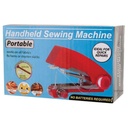
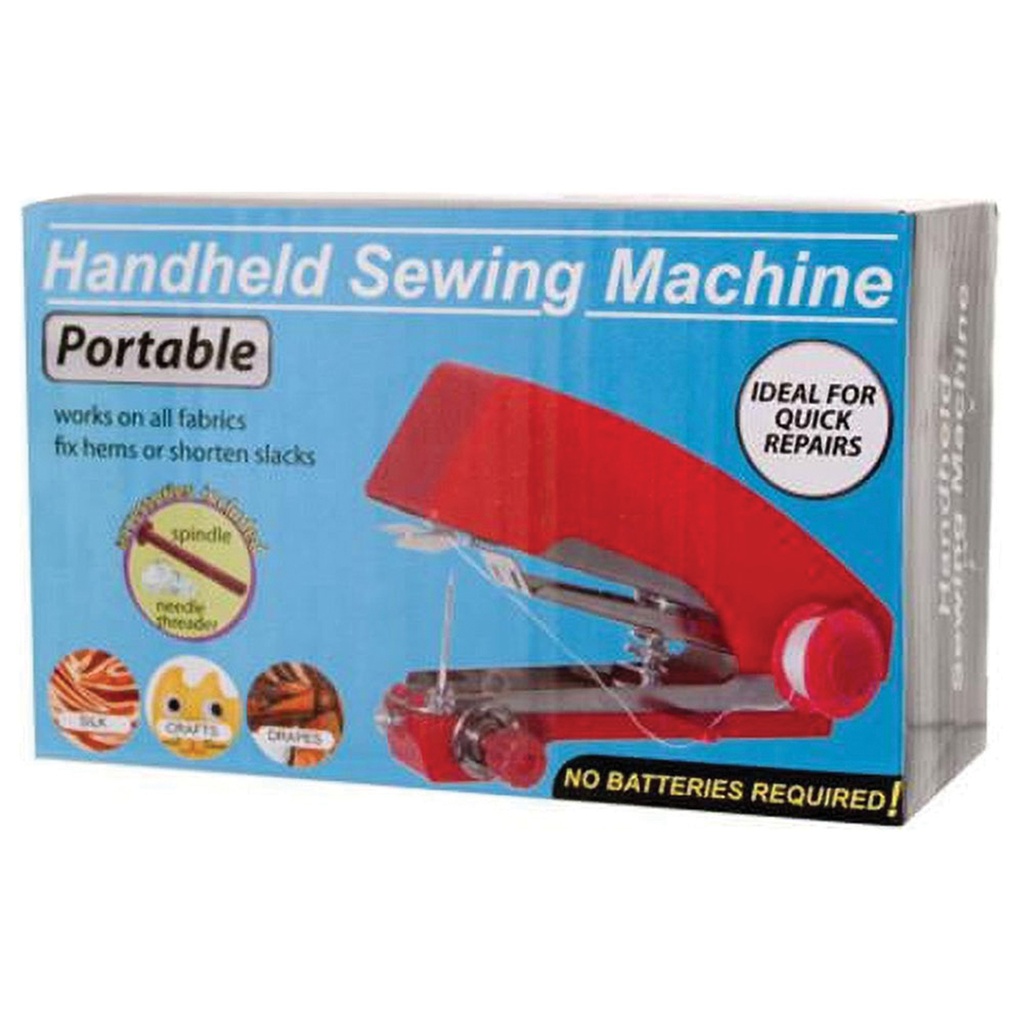
The Rapid Mend Pocket Sewing Tool - Red is the handheld sewing machine you actually use, not just store. Its compact, stapler-style design grips fabric and lays quick stitches without batteries, setup, or a full-size machine. Keep one in your glove box, desk drawer, or carry-on for hems that drop, curtains that sag, or seams that pop at the worst moment. From light silk to everyday slacks and drapes, this portable sewing tool gives you neat, controlled repairs in a few passes—so you walk back out looking put together again.
What This Handheld Sewing Machine Actually Does
The Rapid Mend Pocket Sewing Tool - Red is a handheld sewing machine built for one job: quick, controlled fabric repairs when setting up a full-size machine is overkill or impossible. Instead of dragging out a bulky unit, plugging it in, and rethreading everything, you grab this compact tool, align it with the fabric, and run a line of stitches exactly where the problem is—loose hem, open seam, drooping curtain, or slack pant leg.
It doesn’t replace a proper sewing machine for big projects. It does give you something far more realistic for everyday life: a simple, mechanical way to fix hems and seams on the spot, without batteries, power outlets, or sewing expertise.
How This Handheld Sewing Machine Works in Practice
This handheld sewing machine operates like a compact, one-handed stitcher. You guide it along the fabric while it forms a line of neat, straight stitches. Think of it as the middle ground between hand sewing and a full machine: faster and more consistent than a needle and thread, but far more portable and less fussy than a traditional setup.
Because it is fully manual with no batteries required, you control the pace. A thumb wheel and internal mechanism advance the stitches as you squeeze and guide. That means you can work slowly on delicate fabrics like silk, or move faster on sturdier materials like slacks and drapes.
Why a Manual, No-Battery Design Matters
There is no power switch to fail, no dead batteries to discover right when you need to fix a hem before a meeting or event. The mechanical design makes this sewing tool predictable: if you can move your hand, you can sew. That reliability is what makes it worth keeping in a glove box, office drawer, or travel kit. You’re not depending on a motor; you’re using a simple mechanism that just works.
Built-In Spindle and Needle Threader
The Rapid Mend Pocket Sewing Tool includes a built-in spindle area and needle threader. Instead of juggling separate parts or trying to thread a tiny needle by eye in bad lighting, the tool gives you a straightforward setup path. That means less time fighting the tool and more time actually fixing the fabric.
Designed for Real Fabrics, Not Just Packaging Claims
The packaging calls out silk, crafts, and drapes, but the practical range is broader: light to medium-weight everyday fabrics. That includes typical dress pants hems, casual shirts, costume repairs, and many home textiles. For very thick, multi-layer or heavy denim projects, a full-size sewing machine or heavy hand sewing is still better. This handheld unit excels at the everyday annoyances—slipping hems, popped seams, and small gaps that need a quick, straight line of stitches.
Where This Portable Sewing Tool Fits in Your Life
Think of this handheld sewing machine as repair insurance for clothing and basic fabrics. It’s small enough to live where your problems actually show up:
- Travel and carry-on: Fix a fallen hem or split seam in a hotel room without hunting for a tailor.
- Glove box or car kit: Useful for costumes, uniforms, or kids’ clothes that fail en route to events.
- Office or locker: A quiet, quick way to fix a dress or slacks before a shift or meeting.
- Home drawer or craft bin: For curtains that sag, quick craft attachments, or light upholstery edges.
Because it’s bright red, it’s easy to spot in a cluttered drawer or bag. You’re not digging through dark fabric and tools trying to find a tiny needle case—it’s a visible, palm-sized device you can grab immediately.
Step-by-Step: Getting Reliable Stitches
Like any sewing tool, this handheld sewing machine rewards a bit of method:
- Prepare the fabric: Align the hem or seam, smooth out folds, and hold it flat.
- Thread the tool: Use the built-in spindle and needle threader to load thread according to the simple guide.
- Start at one end: Place the machine so the needle lines up just inside the fabric edge.
- Guide steadily: Move along the seam at a consistent pace. Let the mechanism form the stitches—your job is to keep the path straight.
- Secure the end: When you finish, lock off the last few stitches with a small hand knot if you want extra security, especially for high-stress areas like pant hems.
If you can use a stapler, you can learn to use this. The main skill is simply guiding the line evenly and giving yourself enough light to see what you’re doing.
Build Details That Make It Practical
Compact, Stapler-Style Form Factor
The shape is deliberate: a stapler-like profile that fits your hand, points naturally toward the repair area, and stores flat. That means it drops easily into a glove compartment, desk drawer, or craft box without snagging on everything else.
Metal Stitch Plate and Lower Mechanism
The visible metal lower section and stitch plate help stabilize the fabric as you sew, reducing snagging and misalignment. For a portable device at this size, that contact stability is what keeps your repair looking more like a clean seam and less like a rushed emergency fix.
Who This Handheld Sewing Machine Is For
This isn’t a collector’s machine or a replacement for a serious sewing setup. It’s for people who need quick, low-hassle fabric repairs:
- Travelers who want to stay presentable without hunting for a tailor.
- Parents managing kids’ costumes, uniforms, and last-minute wardrobe emergencies.
- Students and renters who need simple curtain or fabric fixes without tools.
- Anyone who avoids sewing because full machines feel like too much work.
You’re buying convenience and readiness: a way to fix small fabric problems before they become big, visible ones.
What People Ask Before Buying a Handheld Sewing Machine
How well does a handheld sewing machine work for quick repairs?
For quick repairs on light to medium fabrics, a handheld sewing machine like this is genuinely useful. It’s faster and more even than hand stitching a long hem, and much easier to deploy than a full-size machine. The trade-off is power and precision: you won’t be doing heavy upholstery, dense denim layers, or high-end tailoring. Use it for hems, simple seams, and basic fabric joins, and it performs exactly as promised—a practical, on-the-spot fixer.
Does this replace a traditional sewing machine?
No. It complements one. A traditional machine is better for complex projects, thick fabrics, and long-term construction. This handheld tool shines when you only need a short line of stitches and don’t want to clear a table, plug in a machine, and rethread everything. Think emergency fixes and small jobs, not full garments from scratch.
Will it damage delicate fabrics like silk?
Used correctly and with appropriate tension, it can handle light fabrics like silk or thin blouses, but you need to work slowly and test on a small, hidden area first. Because you control the speed manually, you can adjust your pace and pressure to avoid pulling or puckering. For extremely delicate or irreplaceable items, traditional hand sewing with a fine needle is still the safest approach.
Is it difficult to learn if I’m not a sewer?
Most people can get functional results after a few test runs on scrap fabric. The motions are simple: align, guide, and keep your hand steady. The built-in needle threader helps with the fiddliest part. If you can follow a basic diagram and don’t rush the first few uses, you’ll reach a point where grabbing this tool for a hem or seam feels routine, not intimidating.
Carry It, Use It, and Stay Presentable
The real value of the Rapid Mend Pocket Sewing Tool - Red is that it lives where problems happen and works when you reach for it. No batteries, no power outlet, no setup ritual—just a straightforward, mechanical way to put fabric back together. Keep one in your car, bag, or drawer, run a few practice lines on scrap fabric, and you’ll have a quiet, reliable answer the next time a hem fails five minutes before you need to walk out the door.